Day: November 16, 2022

  • La Importancia del Cultivo del Olivo en España

    La Importancia del Cultivo del Olivo en España

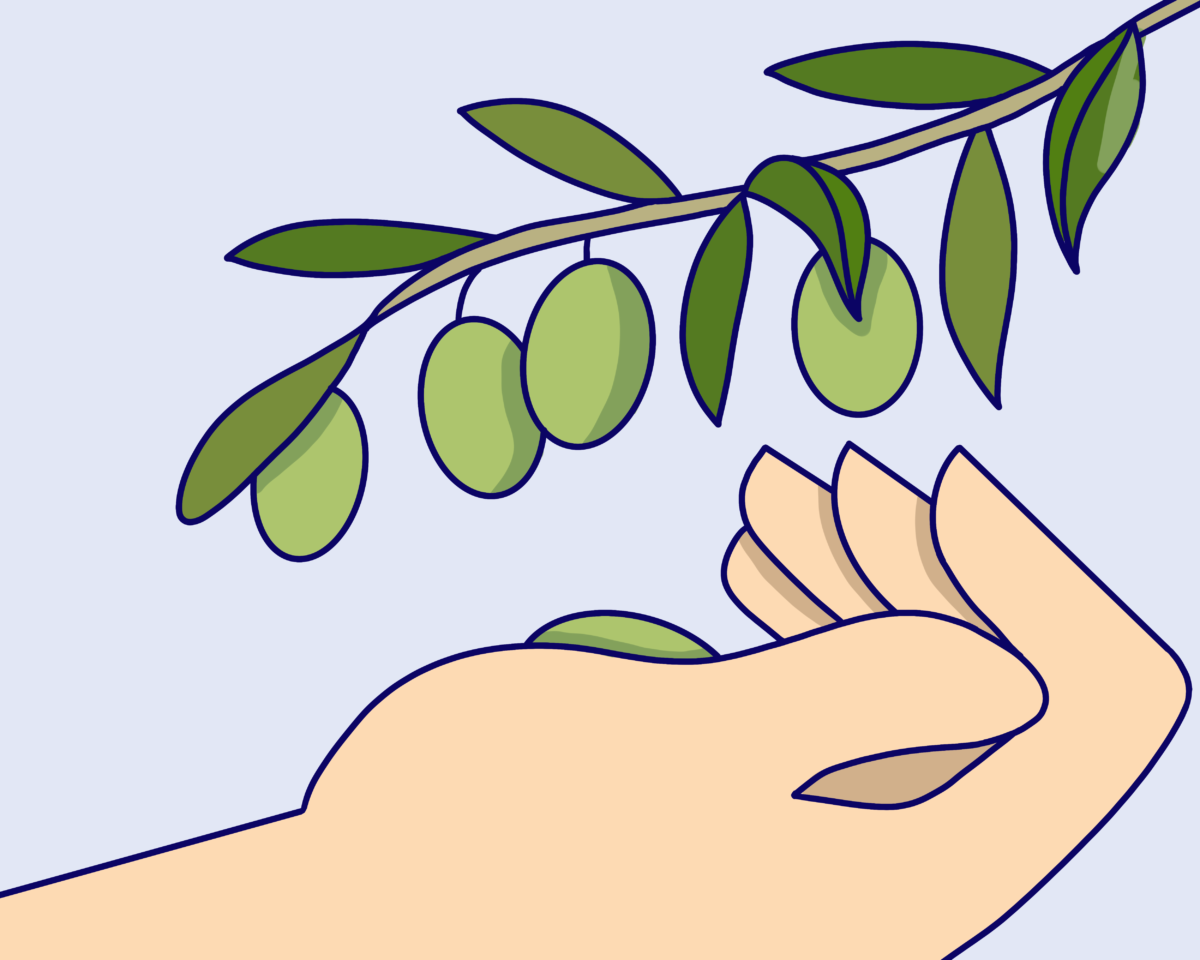
    Dile a una persona de España que vas a aliñar su ensalada con algo diferente al aceite de oliva. Probablemente la situación acabe con una fuerte discusión. Por el Día Mundial del Olivo avalado por la Unesco, el 26 de noviembre, iScribo te enseña algunas curiosidades sobre este árbol, además de la importancia del aceite de oliva en la cultura española.

    El cultivo del olivo está arraigado en todo el Mediterráneo desde hace siglos. El clima y el terreno de la geografía mediterránea han hecho que crezca de forma sana y fructífera. Existen evidencias de que la existencia del olivo se remonta a 12 000 años antes de Cristo. Su origen está marcado por la mitología griega por medio de una leyenda griega.

    ¿Sabes de dónde viene la palabra «olivo»? ¿Sabes formar palabras con su raíz? Descubre algunos hechos lingüísticos y gramaticales en este artículo e impresiona a tus amigos acerca de este símbolo que los españoles utilizan y consumen con orgullo.

    Jaén, tierra del aceite de oliva

    España es el país con más olivos del mundo. Normal que en España sintamos un orgullo inmenso al hablar de nuestro árbol, más aún en el sur.

    Jaén, una provincia situada en Andalucía, alberga la mayor cantidad de olivos del país. En total, esta provincia cede 586 000 hectáreas a más de 70 millones de olivos, lo que supone el 78 % de la superficie agraria de la provincia y el 20 % de la producción mundial de aceite de oliva. Tal es la euforia, que se comercializa con la denominación AOVE, aceite de oliva virgen extra.

    Por si esto fuera poco, Jaén ofrece catas de aceite en casi todos sus municipios. ¡Anímate, no te arrepentirás!

    El aceite de oliva es el ingrediente básico de nuestra tan conocida dieta mediterránea, con numerosas propiedades en beneficio de tu salud. Además, su sabor es inconfundible y añade un gusto a los alimentos que te hará sonreír.

    Etimología y curiosidades

    Para entender la historia de una palabra tenemos que fijarnos en su etimología. Como en todas las lenguas romances, la influencia del latín es más que frecuente en nuestro vocabulario. También contamos con la influencia árabe, así que otras tantas palabras derivan de este idioma.

    Nuestro producto estrella no podía contar con mayor historia, puesto que su etimología parte tanto del latín como del árabe, según en la zona en la que te encuentres.

    Si tiramos para el norte de la Península Ibérica, estaremos hablando de «olivo» y «oliva», que vienen del latín olea, que a su vez proviene del griego eala.

    Por otro lado, la palabra árabe para designar al árbol es zaitum, que procede de zait, una raíz común en las lenguas semíticas. Pues precisamente, en la parte sur de la Península Ibérica, como no podía ser de otra manera, se utiliza la palabra «aceituna» por la influencia árabe de la palabra zaytunah.

    Familia léxica de aceite y olivo

    La familia léxica de una palabra se forma al añadirle prefijos o sufijos a su raíz o lexema. De aceite, encontramos palabras como:

    Aceitoso: algo que tiene mucho aceite.

    Aceitera: recipiente que contiene aceite, como por ejemplo para las ensaladas.

    Ajoaceite: una salsa cuya base es ajo y aceite de oliva, que a su vez es sinónimo de alioli.

    En cuanto al olivo, tenemos palabras derivadas como:

    Olivete: olivo pequeño.

    Olivillo: igual al anterior, es un diminutivo de olivo.

    Olivar: campo donde hay una concentración de olivos.

    Olivera: sinónimo de oliva.

    A su vez, existen nombres propios derivados del olivo:

    Oliver: es un nombre masculino que significa «bendecido por el olivo».

    Olivia: es un nombre femenino que literalmente significa «oliva», como símbolo de la paz. Bonito, ¿verdad?

    Sumérgete en la cultura

    Al aceite se le conoce desde la antigüedad como el «oro líquido» por sus propiedades beneficiosas y sus inmensos atributos inigualables. Asimismo, según la casta de la aceituna, el color será más amarillento, casi dorado, otro motivo más del nombre.

    En iScribo no solo cuidamos la lengua, sino que también procuramos que aprendas sobre la cultura que gira en torno a todos los países hispanohablantes para que aumentes el amor que sientes por este idioma, como nosotros. Con nuestro corrector ortográfico y gramatical puedes practicar el uso de sinónimos y familias léxicas en tiempo real. Recuerda que el saber no ocupa lugar y escribir bien te proporciona innumerables beneficios laborales.

  • The Importance of the Olive Tree History in Spain

    The Importance of the Olive Tree History in Spain

    Tell a Spanish that you are going to dress their salad with something other than authentic Spanish olive oil. The situation will probably end in a fierce argument. For the Unesco-endorsed World Olive Day on 26 November, iScribo teaches you some interesting facts about this tree, as well as the importance of olive oil in Spanish culture.

    The cultivation of the olive tree has been rooted throughout the Mediterranean for centuries. The climate and terrain of the Mediterranean geography have made it grow in a healthy and fruitful way. There is evidence of the existence of olive tree varieties as far back as 12,000 BC. Its origin is marked by Greek mythology through a Greek legend.

    Do you know where the word olivo comes from, and do you know how to form words from its root? Discover some linguistic and grammatical facts in this article and impress your friends with this symbol that Spaniards use and consume with pride.

    Jaen, Land of Olive Oil

    Spain is the country with the most olive trees in the world. It is normal that in Spain they feel immense pride when talking about their tree, even more so in the south.

    Jaen, a province located in Andalusia, is home to the largest number of olive trees in the country. In total, this province yields 586,000 hectares to more than 70 million olive trees, which represents 78% of the province’s agricultural area and 20% of the world’s olive oil production. Such is the euphoria that it is marketed under the name AOVE, extra virgin olive oil.

    As if this were not enough, Jaen offers olive oil tastings in almost all its municipalities. Come along, you won’t regret it!

    Olive oil is the basic ingredient of the well-known Mediterranean diet, with numerous properties that benefit your health. What’s more, its flavour is unmistakable and adds a taste to food that will make you smile.

    Etymology and Curiosities

    To understand the history of a word we must look at its etymology. As in all Romance languages, the influence of Latin is more than frequent in Spanish vocabulary. We also have Arabic influence, so many other words derive from this language.

    Our star product could not have a longer history, as its etymology comes from both Latin and Arabic, depending on where we are.

    If we go to the north of the Iberian Peninsula, we are talking about “olivo” and “oliva”, which come from the Latin olea, which in turn comes from the Greek eala.

    On the other hand, the Arabic word for the tree is zaitum, which comes from zait, a common root in Semitic languages. In the southern part of the Iberian Peninsula, of course, the word aceituna is used because of the Arabic influence of the word zaytunah.

    Lexical Family of Aceite and Olivo

    The lexical family of a word is formed by adding prefixes or suffixes to its root or lexeme. From aceite, we find words such as:

    Aceitoso: something that has a lot of oil in it.

    Aceitera: small container with oil, for example for salads.

    Ajoaceite: a sauce based on garlic and olive oil, which in turn is synonymous with alioli.

    As for the olivo, we have derived words such as:

    Olivete: small olive tree.

    Olivillo: the same as the previous one, it is a diminutive of olive tree.

    Olivar: field with many olive trees.

    Olivera: synonym of olive.

    There are also proper names derived from the olive tree:

    Oliver: is a masculine name meaning “blessed by the olive tree”.

    Olivia: is a feminine name that literally means “olive”, as a symbol of peace. Pretty, isn’t it?

    Immerse Yourself in the Culture

    Olive oil has been known since ancient times as “liquid gold” because of the benefits of the olive oil and its immense and incomparable attributes. Also, depending on the type of olive, the colour will be more yellowish, almost golden, another reason for the name.

    At iScribo we not only take care of the language, but we also make sure that you learn about the culture that revolves around all Spanish-speaking countries so that you increase your love for this language, just like us.

    With our spelling and grammar checker, you can practice the use of synonyms and lexical families in real-time. Remember that knowledge is a gift and writing well provides you with countless employment benefits.

Want more Spanish tips?

Get them direct to your inbox

Sign up for tips and tricks to perfect your Spanish writing skills. You’ll be writing like a native in no time.

Free Trial until 30 September 2021: Our subscription programme does not start until 1 October 2021. So, as long as you provide us with a feedback you can use our site for free until noon 30 September 2021 (GMT)