Day: January 25, 2023

  • Sustantivos Colectivos, Concretos y Abstractos en Español

    Sustantivos Colectivos, Concretos y Abstractos en Español

    La riqueza la gramática española fascina a teóricos y académicos de todo el mundo. El vocabulario en español traspasa fronteras y es importante entender de lo que estamos hablando en cada momento para poder dominar el idioma por completo.

    ¿Sabes la diferencia entre sustantivos concretos y abstractos? Y qué decir de los sustantivos colectivos… ¿Puedes cómo se designa al conjunto de alumnos de un centro?

    iScribo te ayuda a clasificar los sustantivos que más confusión generan a la hora de expresarnos en español.

    Sustantivos concretos

    Los sustantivos concretos son aquellos que se refieren a objetos o entidades que existen en realidad. Para entenderlo mejor, son cosas tangibles, reales y físicas que «se pueden tocar».

    Son lo más comunes y cuentan con género y número. Algunos ejemplos para que lo visualices mejor son sofá, candado o máquina.

    La ventana del salón está abierta.

    El avión va a despegar en un momento.

    Sustantivos abstractos

    Los sustantivos abstractos son los intangibles. Para que lo entiendas mejor, imagínate las cosas que no puedes tocar físicamente (aunque sí en sentido figurativo, como la felicidad). ¡La belleza del nombre de estos sustantivos te da una pista de lo especiales que pueden llegar a ser!

    Los sustantivos abstractos nombran las realidades que no se pueden percibir con los sentidos. Algunos ejemplos son: armonía, justicia o miedo.

    El olvido juega en contra de la edad.

    La sinceridad es lo que más valoro en una persona.

    Sustantivos colectivos

    Se trata de un subtipo de los sustantivos concretos.

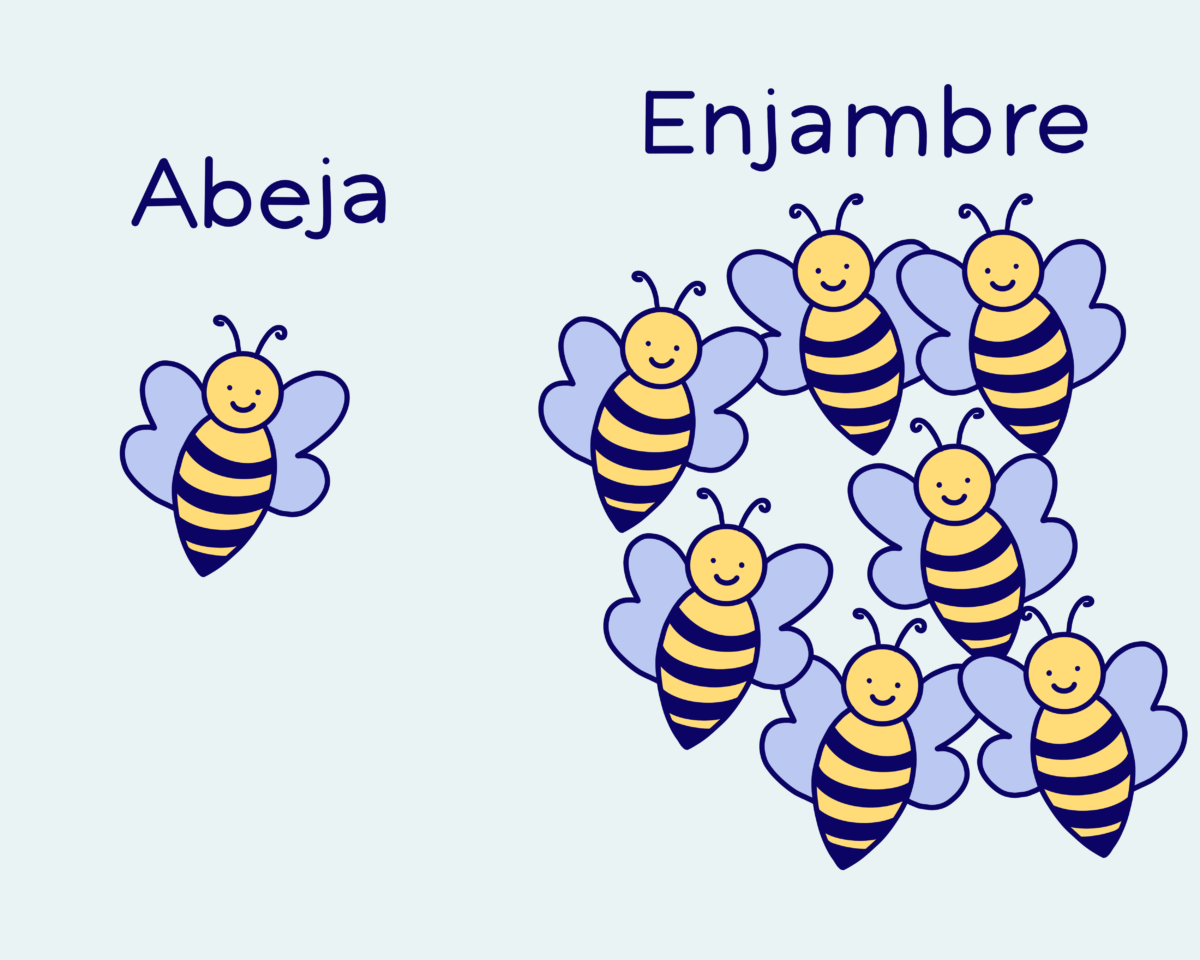
    Los sustantivos colectivos son aquellos que se utilizan en individual para designar a un colectivo. Los contrarios a los sustantivos colectivos son los individuales, que en singular designan a un solo ser u objeto.

    Ejemplos de sustantivos colectivos son rebaño (para designar a un conjunto de ovejas), manada (grupo de animales de ganado), constelación (conjunto de estrellas).

    Los toros pastan en manada para preservar su seguridad.

    El cañaveral florecerá en primavera.

    Mi familia vendrá a cenar por mi cumpleaños.

    Ejemplos de sustantivos individuales son lápiz, frigorífico o coche.

    Expande tus conocimientos

    Conocer el nombre de los sustantivos y saber clasificarlos te puede ayudar a mejorar tu vocabulario en español.

    Además de ayudarte a determinar la diferencia entre sustantivos concretos y abstractos y de identificar los sustantivos individuales y colectivos, conocer las características de un idioma te ayudan a dominarlo como un nativo.

    ¿Qué aspecto de la gramática española te cuesta más trabajo poner en práctica? ¿Conoces más tipos de sustantivos? Cuéntanos en los comentarios y practica con iScribo.

  • Collective, Concrete and Abstract Nouns in Spanish

    Collective, Concrete and Abstract Nouns in Spanish

    The richness of Spanish grammar fascinates theorists and academics all over the world. Spanish vocabulary crosses borders and it is important to understand what we are talking about at any given moment in order to fully master the language.

    Do you know collective, concrete and abstract nouns? And what about the common nouns in Spanish?

    iScribo helps you to classify the nouns that cause the most confusion when expressing yourself in Spanish.

    Concrete Nouns

    Concrete nouns are nouns that refer to objects or entities that actually exist. To understand it better, they are tangible, real, physical things that “can be touched”.

    They are the most common and have gender and number. Some examples to help you visualise it better are sofá (sofa), candado (lock) or máquina (machine).

    La ventana del salón está abierta.

    (The living room window is open.)

    El avión va a despegar en un momento.

    (The plane is going to take off in a moment.)

    Abstract Nouns

    Abstract nouns are intangible ones. To help you understand this better, imagine things that you cannot physically touch (although you can in a figurative sense, like felicidad – happiness). The beauty of the name of these nouns gives you a hint of how special they can be!

    Abstract nouns name realities that cannot be perceived by the senses. Examples are: armonía (harmony), justicia (justice) or miedo (fear).

    El olvido juega en contra de la edad.

    (Forgetfulness plays against age.)

    La sinceridad es lo que más valoro en una persona.

    (Sincerity is what I value most in a person.)

    Collective Nouns

    This is a sub-type of concrete nouns.

    Collective nouns are nouns that are used by the individual to designate a collective. The opposite of collective nouns is individual nouns, which in the singular designate a single being or object.

    Examples of collective nouns are rebaño (herd – to designate a group of sheep), manada (herd – group of livestock animals) or constelación (constellation – group of stars).

    Los toros pastan en manada para preservar su seguridad.

    (Bulls graze in a herd to keep them safe.)

    El cañaveral florecerá en primavera.

    (The reedbed will bloom in spring.)

    Mi familia vendrá a cenar por mi cumpleaños.

    (My family is coming to dinner for my birthday.)

    Examples of individual nouns are lápiz (pencil), frigorífico (fridge) or coche (car).

    Expand Your Knowledge

    Knowing the names of nouns and how to classify them can help you improve your Spanish vocabulary.

    As well as helping you determine the difference between collective, concrete and abstract nouns, knowing the characteristics of a language helps you master it like a native speaker.

    What aspect of Spanish grammar do you find most difficult to put into practice? Do you know more types of nouns or more common nouns in Spanish? Tell us in the comments and practice with iScribo.

Want more Spanish tips?

Get them direct to your inbox

Sign up for tips and tricks to perfect your Spanish writing skills. You’ll be writing like a native in no time.

Free Trial until 30 September 2021: Our subscription programme does not start until 1 October 2021. So, as long as you provide us with a feedback you can use our site for free until noon 30 September 2021 (GMT)