Day: November 1, 2023

  • ¿Cuál es el grado de los adjetivos en español?

    ¿Cuál es el grado de los adjetivos en español?

    Los adjetivos son palabras que acompañan o cualifican al sustantivo. Estas palabras nos aportan más información de los sustantivos o bien los distingue de los demás. Los adjetivos concuerdan en género y número con los sustantivos que acompañan.

    ¿Quieres saber cuál es el grado de los adjetivos? Descubre hoy con iScribo los adjetivos en grado positivo, comparativo y superlativo.

    Los grados del adjetivo expresan la intensidad con la que se explican las cualidades de los sustantivos.

    ¿Qué son los adjetivos en grado positivo?

    Los adjetivos en grado positivo son los adjetivos en su estado neutro, es decir, en su forma básica.

    Raúl está triste porque su equipo ha perdió.

    La casa roja de la esquina es la que ha comprado Marta.

    ¿Qué son los adjetivos en grado comparativo?

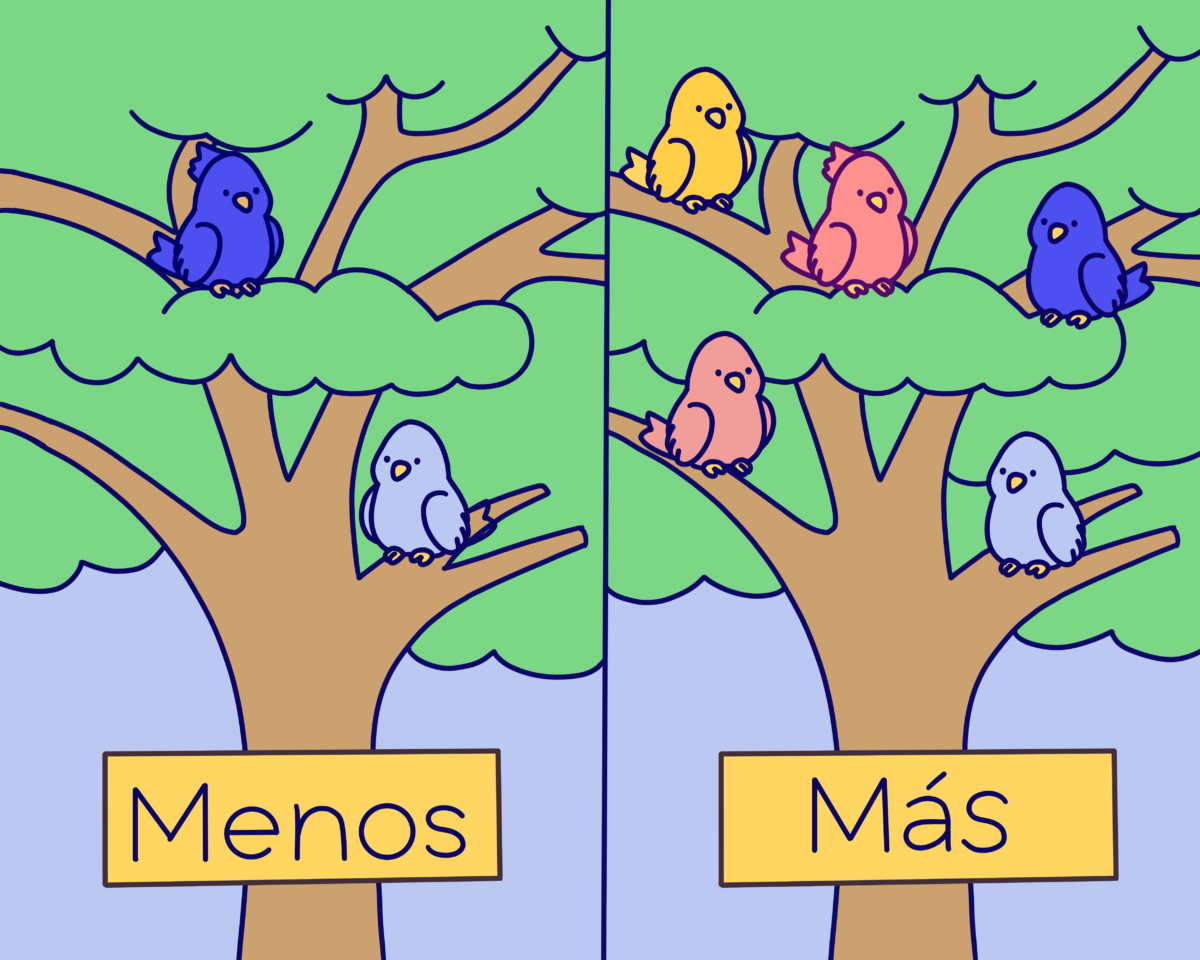
    El grado comparativo se utiliza para hacer comparaciones entre dos o más sustantivos. Se forma con los adverbios más, menos, tan, igual (y similares),seguidos del adjetivo y de que o como:

    más/menos/tan + adjetivo + que/como

    Tenemos tres tipos de adjetivos comparativos:

    Comparativo de igualdad: Jesús es tan listo como Pepa.

    Comparativo de superioridad: Josefa es más hábil que Mario.

    Comparativo de inferioridad: La piscina de Sonia es menos grande que la de Juan.

    ¿Qué son los adjetivos en grado superlativo?

    El grado superlativo describe el nivel más alto de una cualidad. Existen dos tipos según el nivel de comparación.

    Por un lado, está el superlativo relativo, que indica que el adjetivo describe la cualidad más alta que hay, en comparación con otro elemento. Se forma con un artículo determinado, los adverbios más o menos y el adjetivo en sí:

    artículo + más/menos + adjetivo

    Pedro es el más alto de su clase.

    El coche es el menos rápido que existe en el mercado.

    Y, por otro lado, tenemos el superlativo absoluto, que determina el grado más alto de una cualidad sin compararlo con ningún otro elemento.

    El perro es listísimo, sabe lo que le están hablando.

    Este país es paupérrimo, ojalá alguien hiciera algo por ayudar.

    iScribo y la gramática

    Ten en cuenta que algunos adjetivos son irregulares, tanto en su grado comparativo como superlativo:

    bueno/mejor/el mejor u óptimo

    malo/peor/el peor o pésimo

    grande/mayor/el mayor o máximo

    pequeño/menor/el menor o mínimo El corrector ortográfico y gramatical de iScribo te ayuda a escribir un español correcto. Utiliza nuestra herramienta y descubre si puedes escribir el grado de los adjetivos irregulares correctamente. ¿Conoces otros ejemplos? Cuéntanos en los comentarios.

  • What Are the Different Forms of Adjectives in Spanish?

    What Are the Different Forms of Adjectives in Spanish?

    Adjectives are words that accompany or qualify a noun. These words give us more information about the nouns or distinguish them from each other. Adjectives agree in gender and number with the nouns they accompany.

    Do you want to know the different forms of adjectives in Spanish? Discover today with iScribo the correct form of adjectives in Spanish.

    The grado (form) of the adjective expresses the intensity with which the qualities of the nouns are explained.

    What are Adjectives in Their ‘Positive’ Form?

    Adjectives in their ‘positive’ form are adjectives in their neutral state, in other words, in their basic form.

    Raúl está triste porque su equipo ha perdió. (Raul is sad because his team lost.)

    La casa roja de la esquina es la que ha comprado Marta. (The red house on the corner is the one that Marta has bought.)

    How to Form the Comparative in Spanish?

    The comparative form is used to make comparisons between two or more nouns. It is formed with the adverbs más, menos, tan, igual (and similar), followed by the adjective and que or como:

    más/menos/tan + adjective + que/como

    There are three types of comparative adjectives:

    Comparative of equality: Jesús es tan listo como Pepa. (Jesús is as smart as Pepa.)

    Comparative of superiority: Josefa es más hábil que Mario. (Josefa is more skillful than Mario.)

    Comparative of inferiority: La piscina de Sonia es menos grande que la de Juan. (Sonia’s pool is less big than Juan’s pool.)

    How to Write Superlatives in Spanish?

    The superlative form describes the highest level of a quality. There are two types depending on the level of comparison.

    On the one hand, there is the relative superlative, which indicates that the adjective describes the highest quality that exists, compared to another element. It is formed with an article, the adverbs más or menos and the adjective itself:

    article + más/menos + adjective

    Pedro es el más alto de su clase. (Pedro is the tallest in his class.)

    El coche es el menos rápido que existe en el mercado. (The car is the least fast on the market.)

    On the other hand, we have the absolute superlative, which determines the highest degree of a quality without comparing it to any other element.

    El perro es listísimo, sabe lo que le están hablando. (The dog is very clever, he knows what they are talking about.)

    Este país es paupérrimo, ojalá alguien hiciera algo por ayudar. (This country is very poor, I wish someone would do something to help.)

    iScribo & Grammar

    Note that some adjectives are irregular, both in their comparative and superlative forms:

    bueno/mejor/el mejor or óptimo

    malo/peor/el peor or pésimo

    grande/mayor/el mayor or máximo

    pequeño/menor/el menor or mínimo iScribo’s spelling and grammar checker helps you to write correct Spanish. Use our tool and find out if you can write the form of irregular adjectives correctly. Do you know any other examples? Tell us about them in the comments.

Want more Spanish tips?

Get them direct to your inbox

Sign up for tips and tricks to perfect your Spanish writing skills. You’ll be writing like a native in no time.

Free Trial until 30 September 2021: Our subscription programme does not start until 1 October 2021. So, as long as you provide us with a feedback you can use our site for free until noon 30 September 2021 (GMT)