Day: December 6, 2023

  • Los días festivos en países hispanohablantes

    Los días festivos en países hispanohablantes

    A todo el mundo le gusta tener días libres. ¿Sabes cuántos días festivos hay al año en España? Puede que también te preguntes el número de días feriados en Argentina. Ya no solo se trata de comparar cuántas vacaciones tiene cada país, sino de descubrir por qué existen.

    Los días festivos en los países hispanohablantes están relacionados con celebraciones religiosas y con efemérides históricas o culturales de cada lugar. Cabe destacar que cada país cuenta con días festivos nacionales, regionales y locales, pero hoy te hablaremos de los nacionales. Descúbrelos con iScribo.

    Días festivos en España

    El calendario laboral español se publica siempre en el BOE (Boletín Oficial del Estado) antes de que acabe el año anterior. Estos ochos festivos son retribuidos para los trabajadores y se pueden mover a un lunes para que no caigan en domingo y que casi todo el mundo pueda disfrutarlos.

    – 1 de enero: por supuesto, el año nuevo hay que celebrarlo por todo lo alto.

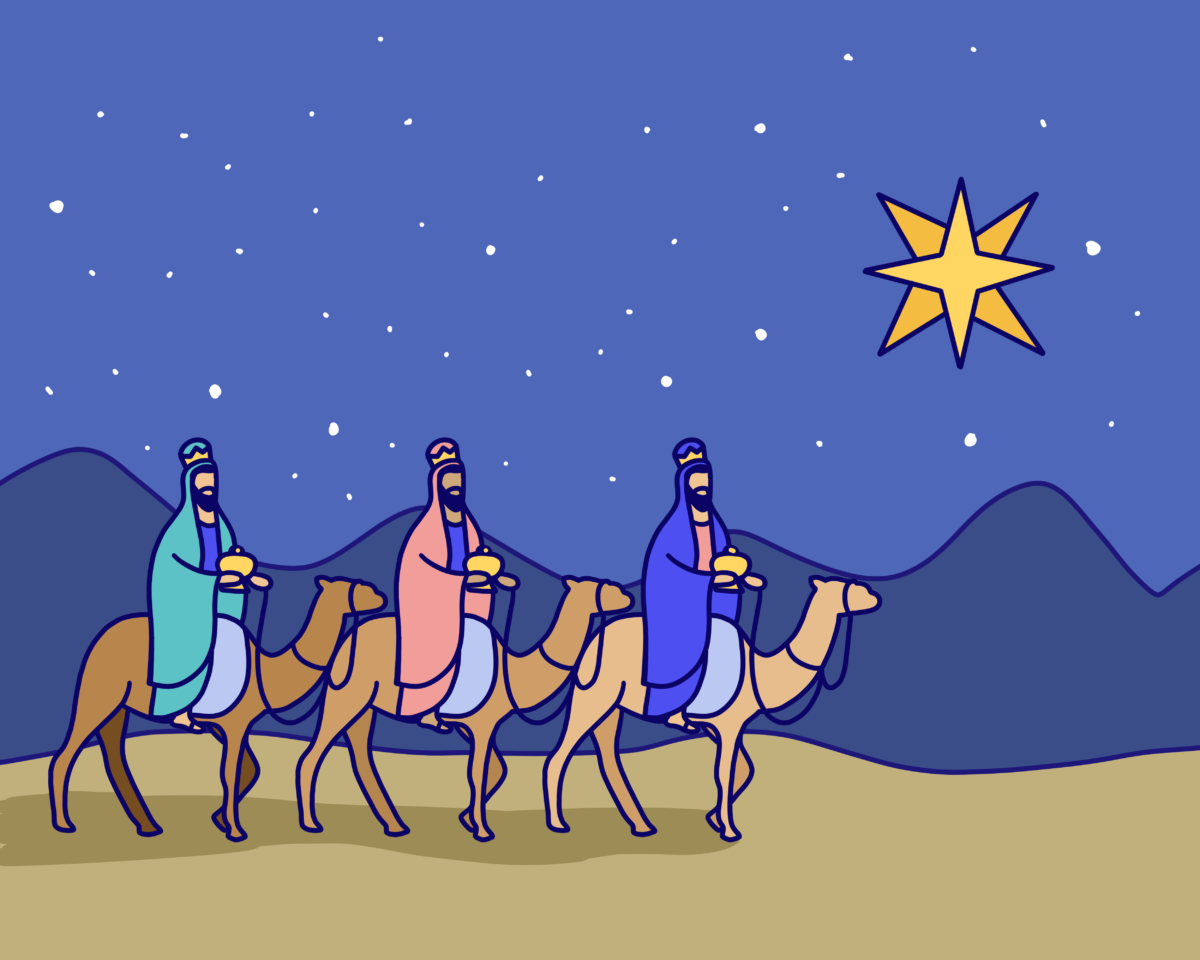
    – 6 de enero: se celebra la Epifanía del Señor con la llegada de los reyes magos cargados de regalos.

    – Viernes Santo: este día se determina según el calendario lunar en cuanto a la celebración de la Semana Santa.

    – 1 de mayo: se celebra la fiesta del trabajo, bien merecida para todos.

    – 15 de agosto: la Asunción de la Virgen María.

    – 12 de octubre: se celebra el día de España.

    – 1 de noviembre: se festeja el día de Todos los Santos.

    – 6 de diciembre: Día de la Constitución Española.

    – 8 de diciembre: forma junto con el festivo anterior una semana con algo más de descanso, se trata de la Inmaculada Concepción.

    – 25 de diciembre: el día grande de la Navidad con la Natividad del Señor.

    Días festivos en Colombia

    Colombia cuenta con dieciocho festivos anuales, aquí te decimos cuáles:

    – 1 de enero: Año Nuevo, como en la mayor parte del mundo.

    – 6 de enero: Día de los Reyes Magos, como en otros países hispanohablantes.

    – 19 de marzo: Día de San José.

    – Jueves y Viernes Santo: como en el resto de países hispanohablantes, dependen del calendario lunar y la celebración de la Semana Santa.

    – Abril o mayo: Día de la Ascensión del Señor, dependerá de la celebración de la Semana Santa.

    – 1 de mayo: el Día del trabajador.

    – Corpus Cristi: depende igualmente de la luna.

    – 27 de junio: se festeja el Sagrado Corazón.

    – 29 de junio: las festividades de San Pedro y San Pablo.

    – 20 de julio: Día de la Independencia, gran festividad de orgullo nacional.

    – 7 de agosto: Batalla de Boyacá.

    – 15 de agosto: La Asunción de la Virgen María.

    – 12 de octubre: Día de la Raza.

    – 2 de noviembre: Día de los difuntos.

    – 11 de noviembre: Independencia de Cartagena.

    Días feriados en Argentina

    Argentina cuenta con quince días feriados nacionales, son los siguientes:

    – 1 de enero: se celebra el año nuevo.

    – Febrero: este mes celebra dos días de carnaval, dependiendo del calendario lunar.

    – 24 de marzo: Día Nacional de la Verdad y la Justicia.

    – 2 de abril: Día de las Malvinas, de orgullo argentino por excelencia.

    – Viernes Santo y Pascuas: una vez más, según el calendario lunar.

    – 1 de mayo: Día Internacional del Trabajo, como en la mayoría de los países del mundo.

    – 25 de mayo: Día de la Revolución de Mayo.

    – 17 de junio: Muerte del General Martín Miguel de Güemes.

    – 20 de junio: Muerte del General Manuel Belgrano.

    – 9 de julio: Día de la Independencia, también muy aclamado en el país.

    – 17 de agosto: se festeja el Paso a la Inmortalidad del General José de San Martín.

    – 12 de octubre: Día del Respeto a la Diversidad Cultural.

    – 20 de noviembre: Día de la Soberanía Nacional.

    iScribo y la diversidad cultural

    Nos encanta hacer llegar lo que celebran los países hispanohablantes. Son muchos los países que tienen el español como lengua principal, por eso, nos es imposible contarte lo que se festeja en cada uno de ellos. No obstante, te invitamos a que indagues sobre ellos para que puedas continuar con tu aprendizaje. ¿Sabes que es lo que sí tienen en común todos los países hispanohablantes? El buen uso del español como idioma. Puedes practicar tu español escrito con el corrector ortográfico y gramatical de iScribo que, además de corregir lo que escriben en tiempo real, te proporcionará sugerencias para que mejores tu redacción, ¿lo has probado ya? Dinos qué te parece en los comentarios.

  • National Holidays in Spanish-Speaking Countries

    National Holidays in Spanish-Speaking Countries

    Everyone likes to have days off. Do you know how many public holidays there are in Spain? You might also be wondering about public holidays in Argentina. It is no longer just a matter of comparing how many holidays each country has, but of finding out why they exist.

    National holidays in Spanish-speaking countries are related to religious celebrations and to historical or cultural events in each place. It should be noted that each country has national, regional and local public holidays, but today we will talk about the national ones. Discover them with iScribo.

    Public Holidays in Spain

    The Spanish working calendar is always published in the BOE (Spanish State Gazette) before the end of the previous year. These eight public holidays are paid for workers and can be moved to a Monday so that they do not fall on a Sunday and almost everyone can enjoy them.

    – January 1st: of course, the new year must be celebrated in style.

    – January 6th: the Epiphany of Jesus is celebrated with the arrival of the Wise Kings laden with gifts.

    – Good Friday: this day is determined according to the lunar calendar in terms of the celebration of Easter.

    – May 1st: Labour Day is celebrated, well deserved for all of us.

    – August 15th: The Assumption of the Virgin Mary.

    – October 12th: the day of Spain is celebrated.

    – November 1st: All Saints’ Day is celebrated.

    – December 6th: Day of the Spanish Constitution.

    – December 8th: the Immaculate Conception forms, together with the previous public holiday, a week with a little more rest.

    – December 25th: the great day of Christmas celebrating the birth of Jesus.

    National Public Holidays in Colombia

    Colombia has eighteen annual public holidays, here we tell you which ones:

    – January 1st: New Year, like in most parts of the world.

    – January 6th: The Wise Men’s Day, as in other Spanish-speaking countries.

    – Mars 19th: San Joseph Day.

    – Good Thursday and Good Friday: as in the rest of the Spanish-speaking countries, depend on the lunar calendar and the celebration of Easter.

    – April or May: Ascension Day, depending on the celebration of Holy Week.

    – May 1st: Labour Day.

    – Corpus Christi: also depends on the moon.

    – June 27th: Sacred Heart is celebrated.

    – June 29th: the feast of St. Peter and St. Paul.

    – July 20th: Independence Day, a great holiday of national pride.

    – August 7th: Celebration of the Battle of Boyaca.

    – August 15th: The Assumption of the Virgin Mary.

    – October 12th: Día de la Raza (Day of the Race).

    – November 2nd: All Saints’ Day is celebrated.

    – November 11th: Celebration of the independence of Cartagena de Indias.

    Public Holidays in Argentina

    Argentina has fifteen national holidays, as follows:

    – January 1st: New Year’s celebrations.

    – February: this month celebrates two days of carnival, depending on the lunar calendar.

    – Mars 24th: Día Nacional de la Verdad y la Justicia (The Day of Remembrance for Truth and Justice).

    – Aprill 2nd: Malvinas Day, a day of Argentine pride par excellence.

    – Good Friday and Easter Monday: again according to the lunar calendar.

    – May 1st: International Labour Day, as in most countries of the world.

    – May 25th: Día de la Revolución de Mayo (May Revolution Day).

    – June 17th: Death of General Martín Miguel de Güemes.

    – June 20th: Death of General Manuel Belgrano.

    – July 9th: Independence Day, also widely acclaimed in the country.

    – August 17th: the Passage to Immortality of General José de San Martín is celebrated.

    – October 12th: Día del Respeto a la Diversidad Cultural (Day of Respect for Cultural Diversity).

    – Novemeber 20th: National Sovereignty Day.

    iScribo & Cultural Diversity

    We love to bring you the celebrations in Spanish-speaking countries. There are many countries where Spanish is the main language, so it is impossible for us to tell you what is celebrated in each one of them. However, we invite you to find out more about them so that you can continue learning. Do you know what all Spanish-speaking countries have in common? The good use of Spanish as a language. You can practice your written Spanish with iScribo’s spelling and grammar checker which, in addition to correcting what they write in real time, will provide you with suggestions to improve your writing. Have you tried it yet? Let us know what you think in the comments.

Want more Spanish tips?

Get them direct to your inbox

Sign up for tips and tricks to perfect your Spanish writing skills. You’ll be writing like a native in no time.

Free Trial until 30 September 2021: Our subscription programme does not start until 1 October 2021. So, as long as you provide us with a feedback you can use our site for free until noon 30 September 2021 (GMT)