Day: March 20, 2024

  • Emoji: la actual economía del lenguaje

    Emoji: la actual economía del lenguaje

    Desde que la piedra Rosetta fue descubierta, en 1799, pasaron 23 años para que se lograra descifrar el método de lectura de los jeroglíficos egipcios, principalmente gracias a los estudios realizados por Thomas Young, lingüista inglés y a Jean-François Champollion, historiador francés.

    Las similitudes entre los jeroglíficos del antiguo egipcio y los emoticones de la era digital son evidentes, sin embargo, sus diferencias son remarcables: los jeroglíficos fueron un idioma completo, representado en un sistema de escritura de reglas estrictas; aunque una persona analfabeta puede entender algunos símbolos básicos, se requiere un alto nivel de destreza para manejarlo en su totalidad.

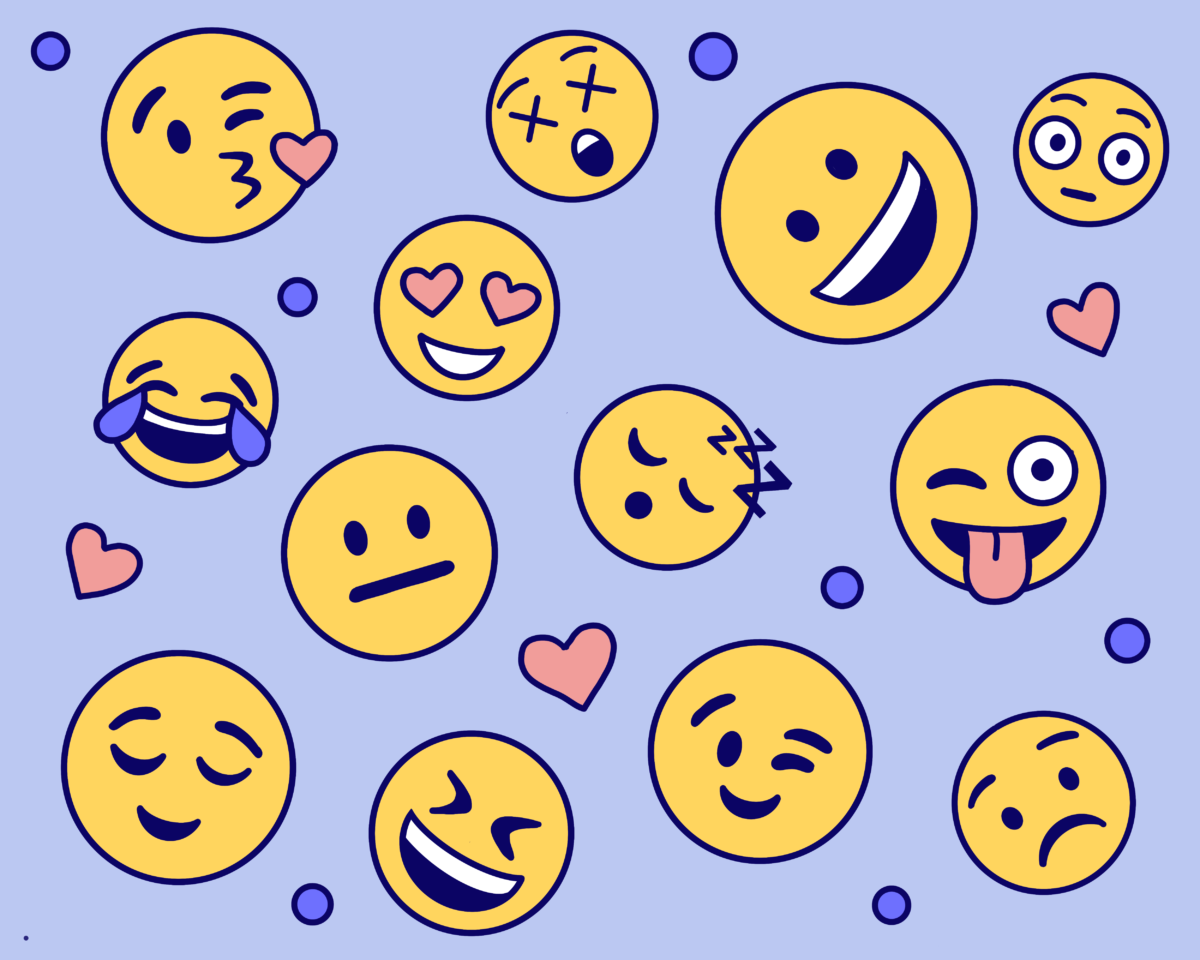
    Los emojis, por otro lado, han nacido bajo el alero de los mensajes digitales de las redes sociales, y aquí prima la economía del lenguaje. La palabra emoji deriva de emoticón o emoticono y ésta a su vez procede del inglés emoticon, acrónimo de los términos emotion (emoción) y icon (ícono). Tanto los emoticones como sus sucesores emojis nacieron, como representaciones icónicas que complementan los textos escritos, añadiendo matices o complicidades en el lenguaje.

    Escribir con imágenes 😎 😏

    En una conversación escrita la entonación y todo lo que aporta la comunicación no verbal desaparece y aunque los emoticones son elementos característicos del lenguaje escrito, acercan a quien los use al ámbito de la oralidad.  Aportan a la comunicación escrita de la mensajería digital un estilo híbrido de comunicación. A ellos se les puede atribuir un cambio en la entonación, en el volumen de la voz, un gesto facial, un determinado movimiento del cuerpo, en fin. Acciones de propias del ámbito de estudio de la lingüística pragmática, que de no ser por los emoticones no estarían presentes en la conversación por chat.

    Un emoji es un comodín dentro de la conversación escrita, ya que explica de manera fácil y rápida la intención del emisor y muchas veces rompe el hielo o quita la aparente brusquedad de lo dicho con palabras. Puede indicar que uno está muy cansado 😴 sin necesidad de decirlo escribiendo muchas palabras. Se pueden expresar hipérboles como estar “rojo de ira” 😡, “estar a punto de estallar” 🤯 o “muerto de frío” 🥶.

    Con un emoji podemos pedir discreción 🤫, podemos expresar tristeza 😞, empatía 🙏, etc. En definitiva, las imágenes economizan, y al mismo tiempo potencian, la función expresiva del lenguaje. Le dan sabor, con una importante carga cultural.

    Historia del emoji

    En 1844 el código morse fue utilizado por primera vez como sistema de comunicación telegráfico. ¡¿Qué tendrá que ver eso con los emojis?!, te preguntarás. Bueno, ahora viene el detalle interesante: resulta que, en 1857, es decir, 13 años después de que se comenzara a utilizar este código, el National Telegraphic Review and Operators Guide documentó que el número 73 del código se comenzó a utilizar para expresar “amor y besos” y luego derivó a algo más formal como “saludos cordiales” o “los mejores deseos”. De hecho, en la actualidad hay muchos radioperadores que dicen “73” al final de una llamada amigable justamente por esto, ya que sigue sigue siendo una manera cercana de despedirse o dar las gracias.

    Día del emoji

    A raíz de todo el revuelo comunicacional que han tenido los emojis en la era digital, el año 2010 surgió una curiosa festividad llamada El día del emoji. A partir de ese año, cada 17 de julio se celebra el día mundial del emoji. Se decidió escoger esta fecha debido a que los primeros 176 emojis se crearon en 1999. Hoy es el consorcio Unicode (integrado por Apple, Microsoft, Google e IBM) el encargado de crear nuevos emoticones.

    Si te animas, debes saber que cualquiera puede presentar una propuesta para crear un nuevo emoticono, pero no es tan fácil. Debe cumplir con requisitos formales y demostrar que la imagen va a tener un nivel esperado de uso. Así que ya sabes, si quieres presumir que la incorporación de un nuevo emoji fue gracias a tu gestión observa tu entorno y ¡juegue, aquí todos te apoyamos! 😉 XD

    Sigue conociendo más curiosidades del lenguaje y de la lengua castellana, visitando y leyendo los distintos artículos que semana a semana publicamos en el blog de iScribo. Y si buscas mejorar tu escritura en español no olvides suscribirte a nuestro maravilloso corrector gramatical.

  • Emojis: the current economy of language

    Emojis: the current economy of language

    Since the Rosetta stone was discovered in 1799, 23 years passed before the method of reading Egyptian hieroglyphs was deciphered, mainly thanks to the studies carried out by Thomas Young, an English linguist and Jean-François Champollion, a French historian.

    Similarities between ancient Egyptian hieroglyphs and the emojis of the digital age are evident. However, their differences are remarkable: Hieroglyphs were a complete language represented in a writing system of strict rules. Although an illiterate person can understand some basic symbols, a high skill level is required to handle them fully.

    Emojis, on the other hand, were born under the auspices of digital messages on social networks, and here, the economy of language takes precedence. Emojis are the evolution of emoticons. The origin of the latest word comes from an acronym for the terms emotion and icon. Emoticons are, as their name indicates, iconic representations that complement written texts, adding nuances or complicities in the language.

    Write with images 😎 😏

    In a written conversation, intonation, and everything that non-verbal communication provides disappears. Although emoticons are characteristic elements of written language, they bring those who use them closer to orality. It gives a hybrid communication style to the written communication of digital messaging. The emojis can be attributed to a change in intonation, the volume of the voice, a facial gesture, or a particular movement of the body. In short, these actions are typical of the field of study of pragmatic linguistics, which, if it were not for the emoticons, would not be present in the chat conversation.

    An emoji is a wild card in written conversation since it easily and quickly explains the sender’s intention and often breaks the ice or removes the apparent abruptness of what is said in words. You can indicate that you are exhausted 😴 without having to say it by writing many words. Hyperbole can be expressed, such as being “red with anger” 😡, “being about to explode” 🤯 or “freezing to death” 🥶.

    With an emoticon, we can ask for discretion 🤫, express sadness 😞, empathy 🙏, etc. In short, images economise, and at the same time enhance, the expressive function of language. They give it flavour and an essential cultural load.

    History of emojis

    In 1844, Morse code was used as a telegraphic communication system for the first time. What does that have to do with emojis?!, you might ask. Well, now comes the interesting detail: it turns out that, in 1857, that is, 13 years after this code began to be used, the National Telegraphic Review and Operators Guide documented that the number 73 of the code started to be employed to express “love and kisses” and then led to something more formal like “kind regards” or “best wishes.” Many radio operators say “73” at the end of a friendly call precisely since, in that context, it is currently a close way of saying goodbye or saying thank you.

    World Emoji Day

    As a result of all the communication commotion that emojis have caused in the digital age, in 2010, a curious holiday arose called Emoji Day. Since that year, World Emoji Day has been celebrated every July 17. This day was chosen because the first 176 emojis were created in 1999. Today, the Unicode consortium (made up of Apple, Microsoft, Google, and IBM) oversees creating new emojis.

    If you dare, you should know that anyone can submit a proposal to create a new emoticon, but it is a challenge. It must meet formal requirements and demonstrate that the image will have an expected level of use. So now you know, if you want to brag that incorporating a new emoticon was thanks to your management, observe your surroundings and play, we all support you here! 😉

    Keep learning curiosities about the language and the Spanish language, visiting and reading the articles we publish weekly on the iScribo blog. If you are looking to improve your Spanish writing, remember to subscribe to our wonderful grammar checker.

Want more Spanish tips?

Get them direct to your inbox

Sign up for tips and tricks to perfect your Spanish writing skills. You’ll be writing like a native in no time.

Free Trial until 30 September 2021: Our subscription programme does not start until 1 October 2021. So, as long as you provide us with a feedback you can use our site for free until noon 30 September 2021 (GMT)