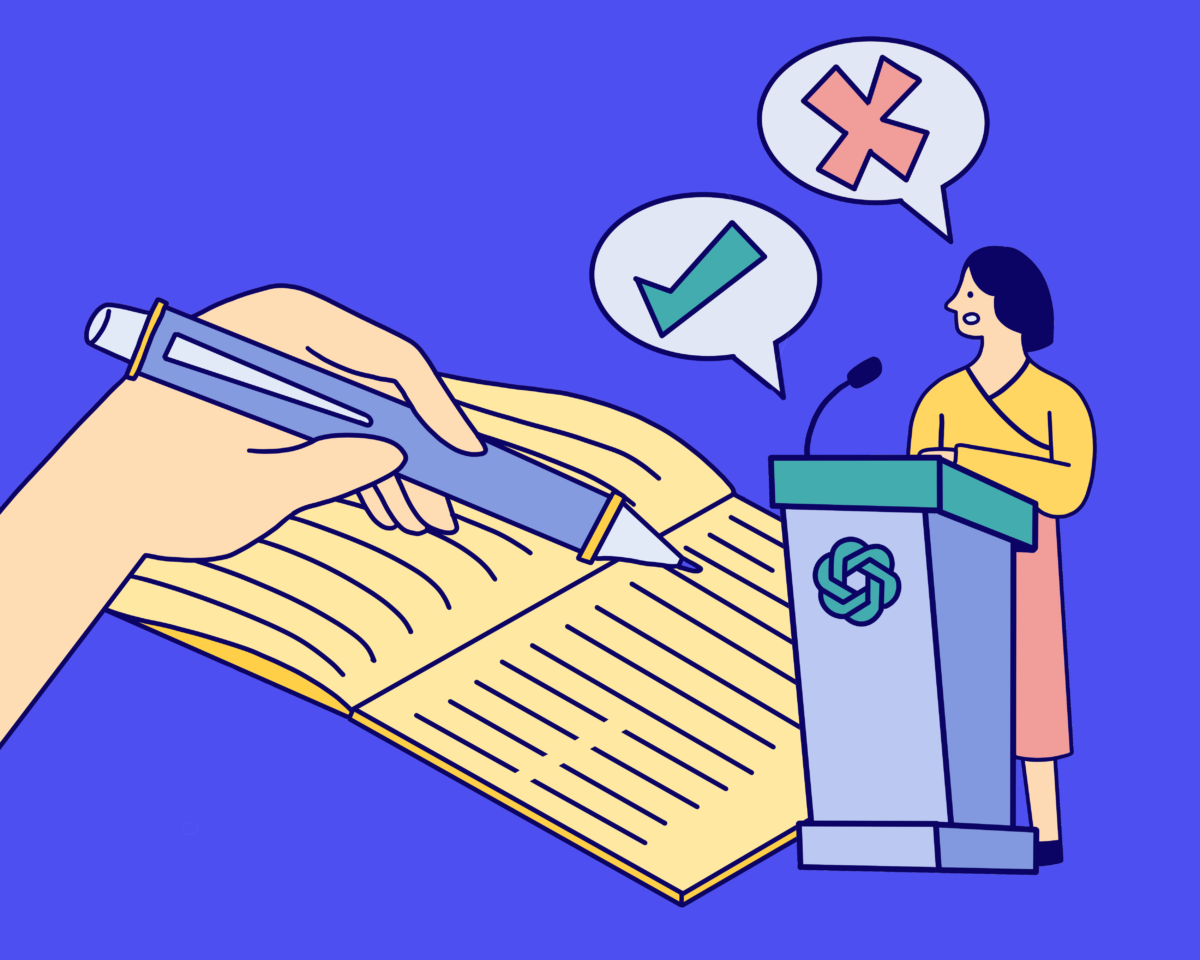
Si has tenido que redactar contenido; ya sea escribir un correo formal o escribir un documento académico o laboral sabrás que no sólo importa proporcionar información clara y valiosa, sino también escribirla sin errores ortográficos y gramaticales, pues si eso sucede la información se recibirá de manera errónea y su contenido resultará de mala calidad.
La Inteligencia Artificial (IA) ha transformado numerosos aspectos de la vida cotidiana, y uno de los campos en los que ha demostrado un impacto notable es en la corrección ortográfica y gramatical. Estas tecnologías, impulsadas por sofisticados algoritmos de aprendizaje automático y procesamiento del lenguaje natural (NLP, por sus siglas en inglés), se han convertido en herramientas esenciales tanto para profesionales como para estudiantes y escritores, mejorando la precisión y coherencia de los textos en español. Veamos a continuación, las principales ventajas de la IA en la corrección ortográfica y gramatical.
Detección Rápida y Precisa de Errores
Una de las ventajas más evidentes de los sistemas de corrección basados en IA es la velocidad y precisión con la que detectan errores ortográficos y gramaticales. Las herramientas tradicionales de corrección, como los diccionarios integrados en procesadores de texto, se limitan a señalar errores ortográficos básicos. Sin embargo, los modelos de IA van más allá, al detectar fallos gramaticales complejos, como el uso incorrecto de tiempos verbales, concordancia de género y número, puntuación inadecuada, y errores sintácticos.
Por ejemplo, iScribo, nuestra herramienta de corrección gramatical basada en IA puede identificar frases mal estructuradas o mal uso de preposiciones, algo que los correctores tradicionales no logran hacer con tanta eficacia. Esto facilita la revisión de textos más precisos y ahorra tiempo al usuario, al automatizar gran parte del proceso de edición.
Mejora Continua a Través del Aprendizaje Automático
Otra ventaja clave de las herramientas basadas en IA es que están diseñadas para aprender y mejorar con el tiempo. A medida que las herramientas se utilizan y se exponen a más datos, sus algoritmos se vuelven más precisos y eficientes. Esto significa que una herramienta de corrección puede adaptarse mejor a las complejidades del idioma español, como sus regionalismos, variaciones de dialecto y cambios en las reglas ortográficas.
El aprendizaje automático permite que estas tecnologías mejoren continuamente en la identificación de errores contextuales. Por ejemplo, si una palabra está bien escrita pero su uso es incorrecto en una oración, la IA de iScribo puede señalar ese error contextual. Este nivel de comprensión y corrección es especialmente útil para quienes escriben en español, un idioma rico en matices gramaticalesy léxicos.
Asistencia Multilingüe y Traducción Eficiente
Para aquellos que escriben en varios idiomas o que están aprendiendo español, las herramientas de corrección basadas en IA ofrecen una ventaja significativa. No sólo corrigen errores ortográficos y gramaticales, sino que también proporcionan sugerencias de traducción y uso correcto de expresiones idiomáticas. Esto es especialmente útil en el mundo globalizado actual, donde la capacidad de comunicarse eficazmente en varios idiomas es esencial.
Además, estas herramientas permiten que los usuarios detecten y corrijan errores comunes que suelen aparecer al traducir de un idioma a otro. Por ejemplo, el uso inapropiado de falsos amigos o calcos sintácticos puede ser identificado y corregido automáticamente por un sistema de IA, lo que ayuda a mejorar la calidad general del texto.
Mejor Adaptación al Estilo Personal del Usuario
La inteligencia artificial también puede aprender y adaptarse al estilo personal de escritura del usuario, ofreciendo sugerencias que respetan el tono y la intención del autor. Esto es especialmente valioso para profesionales que necesitan mantener una voz coherente y distintiva en sus escritos. Por ejemplo, un periodista, un abogado o un académico pueden beneficiarse de un corrector de IA que les ayude a mantener un estilo formal y preciso, mientras que un escritor de contenido publicitario puede utilizar la herramienta para asegurarse de que su escritura sea atractiva y persuasiva.
Este nivel de personalización es posible gracias al uso de modelos de procesamiento del lenguaje que comprenden no sólo las reglas gramaticales, sino también el contexto, el propósito y el estilo deseado del texto.
Accesibilidad y Ahorro de Tiempo
Otra ventaja de los correctores gramaticales y ortográficos basados en IA es su disponibilidad y accesibilidad. Estas herramientas suelen estar integradas en plataformas de escritura populares, como procesadores de texto, aplicaciones móviles y servicios en línea, lo que permite a los usuarios acceder a ellas desde cualquier lugar y en cualquier momento. Esto es especialmente útil para profesionales que necesitan editar documentos rápidamente o para estudiantes que están trabajando en ensayos o proyectos a último minuto.
El ahorro de tiempo es considerable, ya que la IA realiza automáticamente las correcciones, evitando que el usuario tenga que buscar manualmente cada error. Además, muchas de estas herramientas ofrecen explicaciones sobre los errores detectados, lo que puede ayudar al usuario a mejorar su comprensión de la gramática y ortografía del español a largo plazo.
Reducción del Sesgo Humano en la Corrección
Cuando se corrigen textos manualmente, los revisores humanos pueden cometer errores debido a la fatiga, la prisa o incluso el sesgo inconsciente. Los correctores automáticos basados en IA, en cambio, garantizan una revisión más objetiva y constante. Esto es particularmente útil en entornos profesionales donde la precisión y la imparcialidad son esenciales.
La inteligencia artificial ha revolucionado el campo de la corrección ortográfica y gramatical en español, proporcionando herramientas que no sólo detectan errores de forma rápida y precisa, sino que también mejoran con el tiempo, se adaptan al estilo del usuario y ofrecen una mayor accesibilidad. Estas tecnologías no sólo son útiles para profesionales y estudiantes, sino para cualquier persona que desee mejorar la calidad de sus escritos en español. Al integrar IA en el proceso de escritura, los usuarios pueden garantizar textos más claros, coherentes y profesionalmente presentados, al mismo tiempo que reducen el tiempo y esfuerzo invertidos en la corrección manual. Todas estas son grandes ventajas a las que puedes acceder utilizando nuestra plataforma de iScribo.
Principio del formularioFinal del formulario
Sigue conociendo más curiosidades del lenguaje y de la lengua castellana, visitando y leyendo los distintos artículos que semana a semana publicamos en el blog de iScribo. Y si buscas mejorar tu escritura en español y corregir alguna variante específica de este idioma, no olvides suscribirte a nuestro maravilloso corrector gramatical. ¡Te esperamos!
