Day: September 25, 2024

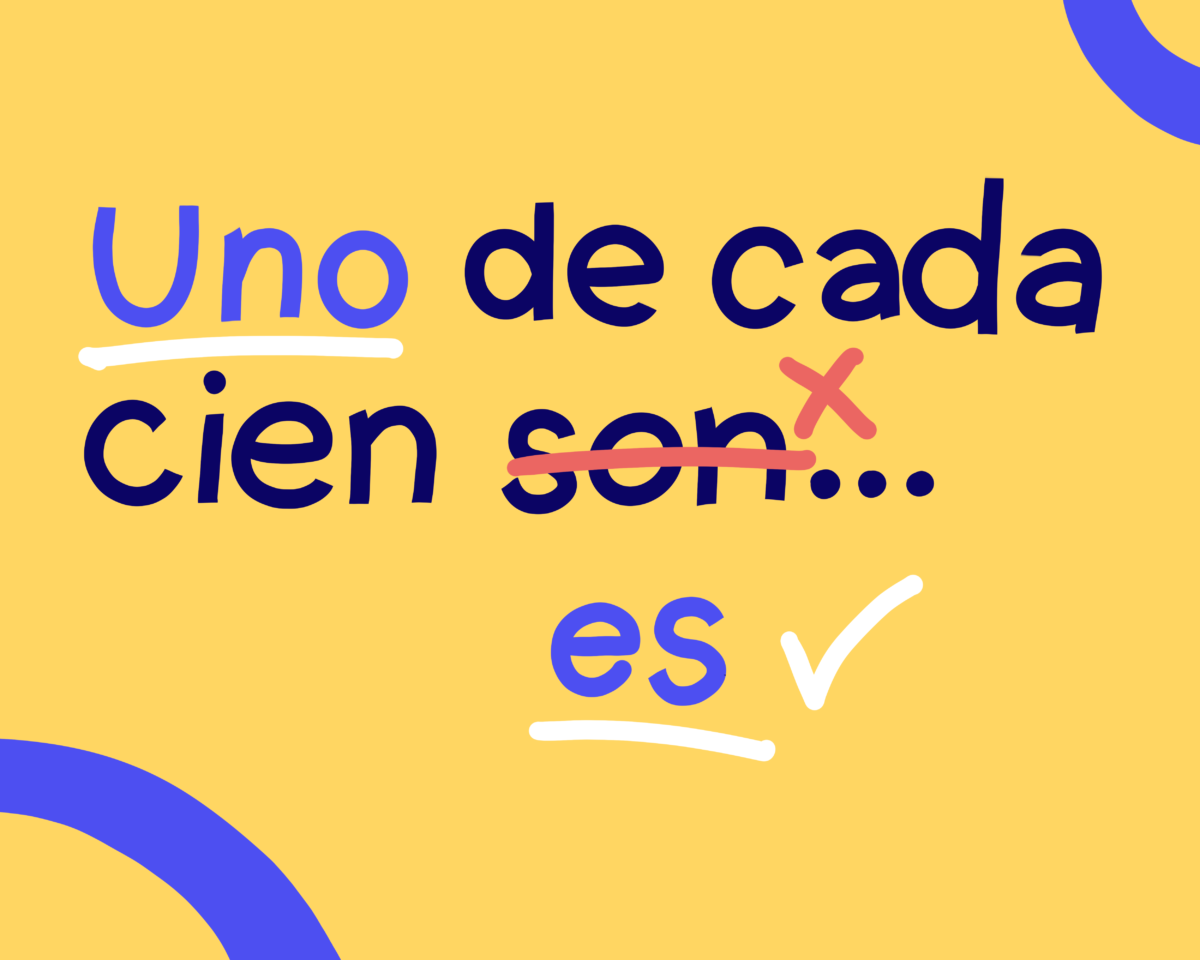
  • Errores de concordancia en género y número en el español y cómo evitarlos

    Errores de concordancia en género y número en el español y cómo evitarlos

    La concordancia en género y número es uno de los pilares de la gramática española. Sin embargo, es común que los hablantes, tanto nativos como aprendices, cometan errores al coordinar sustantivos, adjetivos, verbos y pronombres. Estos errores pueden pasar desapercibidos en conversaciones cotidianas, pero resultan más evidentes en textos escritos o en situaciones formales. A continuación, veremos los errores más comunes y cómo evitarlos.

    1. Concordancia de género entre sustantivo y adjetivo

    Uno de los errores más frecuentes es no ajustar el género del adjetivo al del sustantivo que describe. En español, los adjetivos deben concordar en género con los sustantivos. Por ejemplo, lo correcto es decir “una casa blanca” y no “un casa blanco”, o “un coche nuevo” y no “un coche nueva”.

    Para evitar este error, es fundamental prestar atención al género del sustantivo y asegurarse de que el adjetivo coincida con él. Un truco es identificar primero si el sustantivo es masculino o femenino y luego verificar si el adjetivo corresponde con ese género.

    2. Concordancia de número entre sustantivo y adjetivo

    Otro error común es la discordancia en número, es decir, cuando el sustantivo es plural y el adjetivo permanece en singular, o viceversa: “los libros interesantes”, y no “los libros interesante”.

    Una forma sencilla de evitar este error es recordar que, si el sustantivo es plural, el adjetivo también debe estar en plural. Las terminaciones s o es en los adjetivos suelen ser indicadores claros de pluralidad.

    3. Concordancia entre sujeto y verbo

    La concordancia entre el sujeto y el verbo es otra área problemática. A veces, el verbo no concuerda en número con el sujeto: “los niños juegan”, no “los niños juega”.

    Para evitar este tipo de errores, es importante identificar el número del sujeto (si es singular o plural) y asegurarse de que el verbo esté conjugado correctamente.

    4. Concordancia de pronombres

    Los errores en la concordancia de género y número en pronombres son comunes. Esto ocurre, por ejemplo, cuando se usa un pronombre en masculino para referirse a una persona de género femenino: “la directora, ella”, no “la directora, él”.

    Estrategias para evitar estos errores

    • Releer los textos: Revisar una frase lentamente puede ayudar a detectar errores de concordancia.
    • Practicar la concordancia mentalmente: Antes de hablar o escribir, pensar en la concordancia de las palabras puede ser útil.
    • Estudiar las reglas: Repasar las normas gramaticales fortalece la comprensión de la concordancia.

    Recuerda que los errores de concordancia en género y número son comunes en español, pero se pueden evitar prestando atención al género y número de los sustantivos, adjetivos, pronombres y verbos, releyendo y repasando las reglas básicas de la gramática.

    Principio del formularioFinal del formulario

    Sigue conociendo más curiosidades del lenguaje y de la lengua castellana, visitando y leyendo los distintos artículos que semana a semana publicamos en el blog de iScribo. Y si buscas mejorar tu escritura en español y corregir alguna variante específica de este idioma, no olvides suscribirte a nuestro maravilloso corrector gramatical. ¡Te esperamos!

  • Gender and number agreement errors in Spanish and how to avoid them

    Gender and number agreement errors in Spanish and how to avoid them

    Gender and number agreement is one of the pillars of Spanish grammar. However, it is common for speakers, both native and learners, to make mistakes when coordinating nouns, adjectives, verbs and pronouns. These errors may go unnoticed in everyday conversations but are more evident in written texts or formal situations. Below, we will look at the most common mistakes and how to avoid them.

    1. Gender agreement between noun and adjective

    One of the most common mistakes is not adjusting the gender of the adjective to that of the noun it describes. In Spanish, adjectives must agree in gender with nouns. For example, it is correct to say “una casa blanca” and not “un casa blanco”, or “un coche nuevo” and not “un coche nueva”.

    To avoid this error, it is essential to pay attention to the gender of the noun and make sure that the adjective matches it. One trick is first to identify whether the noun is masculine or feminine and then check whether the adjective matches that gender.

    2. Number agreement between noun and adjective

    Another standard error is disagreement in number, when the noun is plural, and the adjective remains singular, or vice versa: “Los libros interesantes,” not “los libros interesante.”

    An easy way to avoid this error is to remember that if the noun is plural, the adjective must also be plural. The endings s or es in adjectives are usually clear indicators of plurality.

    3. Subject-verb agreement

    Subject-verb agreement is a crucial aspect of Spanish grammar. It’s where the verb must match the subject in number. For instance, it’s not “los niños juega”, but rather “los niños juegan” (the children play).

    To avoid these types of errors, it is essential to identify the number of the subject (whether it is singular or plural) and ensure that the verb is conjugated correctly.

    4. Pronoun agreement

    Errors in gender and number agreement in pronouns are common. For example, when a masculine pronoun is used to refer to a feminine person, “la directora, ella” (the director), not “la directora, él” (the director, he).

    Strategies to avoid these mistakes:

    • Reread texts: Reviewing a sentence slowly can help you spot agreement errors.
    • Practice mental agreement: Word agreement can be helpful before speaking or writing.
    • Study the rules: Reviewing grammar rules strengthens your understanding of agreement.

    Remember that gender and number agreement errors are common in Spanish. Still, they can be avoided by paying attention to the gender and number of nouns, adjectives, pronouns and verbs and rereading and reviewing basic grammar rules.

    Keep learning curiosities about the language and the Spanish language, visiting and reading the articles we publish weekly on the iScribo blog. If you want to improve your Spanish writing and correct a specific variant of this language, subscribe to our superb grammar checker. We are waiting for you!

Want more Spanish tips?

Get them direct to your inbox

Sign up for tips and tricks to perfect your Spanish writing skills. You’ll be writing like a native in no time.

Free Trial until 30 September 2021: Our subscription programme does not start until 1 October 2021. So, as long as you provide us with a feedback you can use our site for free until noon 30 September 2021 (GMT)