Day: December 4, 2024

  • Dilo aquí y no allá: las múltiples vidas de una palabra en el español del mundo

    Dilo aquí y no allá: las múltiples vidas de una palabra en el español del mundo

    El idioma español, con más de 500 millones de hablantes en todo el planeta, es un caleidoscopio lingüístico donde una misma palabra puede transformarse en mil significados dependiendo del lugar. Lo que en un país puede ser un término cotidiano e inofensivo, en otro puede desatar risas, confusión o hasta una situación embarazosa. Descubramos cómo el español navega estos ríos de diversidad semántica y cultural.

    El arte del malentendido

    Imagina que un argentino comenta que necesita una “pila” para su control remoto, y un mexicano responde que él tiene muchas “pilas”. Aunque ambos mencionan la misma palabra, están hablando de cosas distintas: en Argentina, “pila” es una batería, mientras que en México significa energía o entusiasmo. Esta dualidad ilustra el fenómeno de polisemia contextual que caracteriza a nuestro idioma.

    Otro ejemplo icónico es la palabra “guagua”. En Cuba, República Dominicana, Puerto Rico y Canarias significa un autobús urbano, pero en Chile, el Norte de Argentina y el sur de Perú, es un término cariñoso para referirse a un bebé. Mientras tanto, en Colombia o Ecuador, “guagua” se refiere exclusivamente a un niño pequeño. Así, una palabra tan pequeña puede transportar significados completamente distintos dependiendo del contexto cultural.

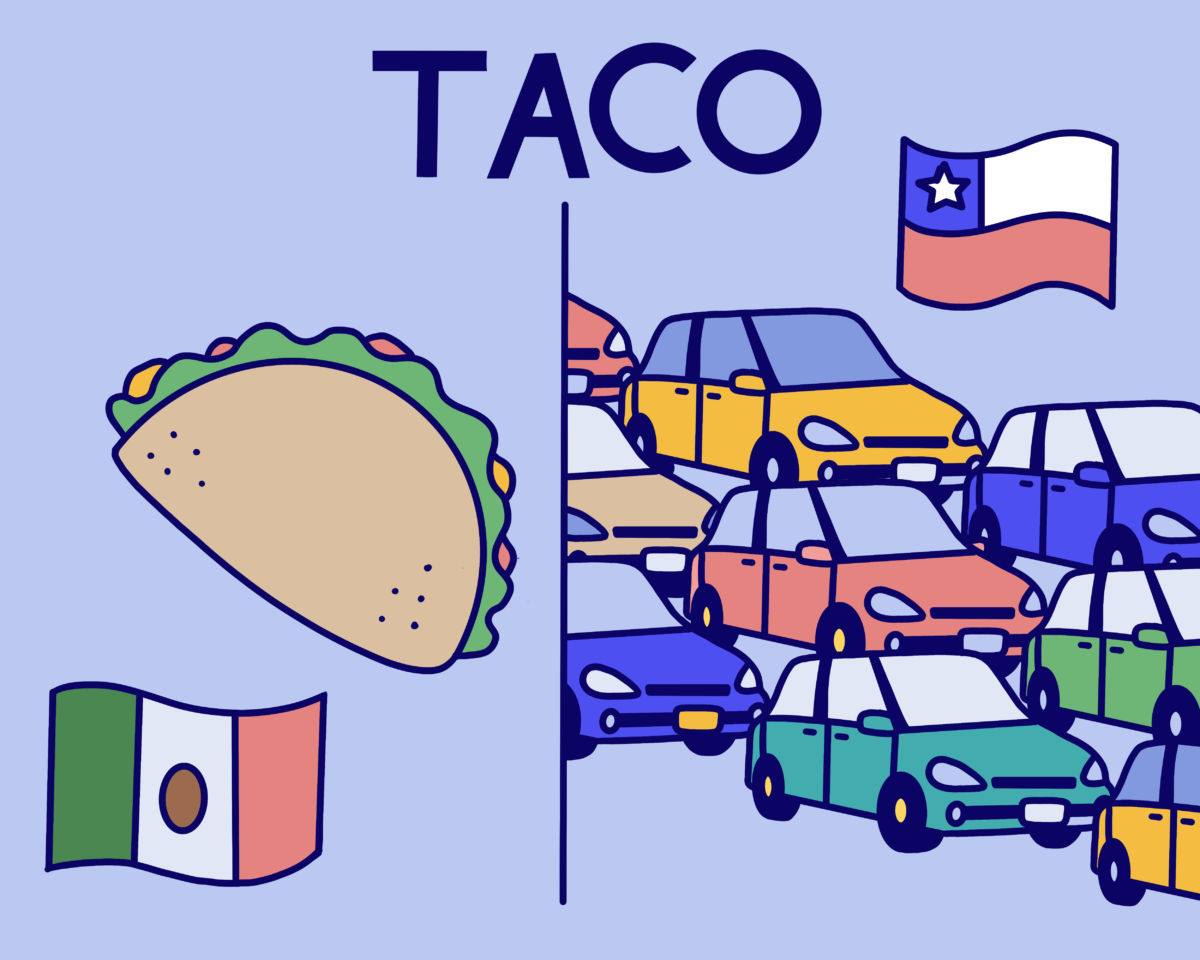
    Si hablamos de “taco” todos en México pensarán de inmediato en comida, en cambio en Chile alguien puede decir “llegaré atrasado porque estoy en un taco” y todos saben que están hablando de una congestión vehicular.

    Cuando la comida habla

    La gastronomía también es terreno fértil para los malentendidos. En México, una “torta” es un sándwich; sin embargo, en España, es un tipo de pastel o tarta. ¿Y qué pasa con el “maní”? Este delicioso fruto seco es conocido como “cacahuate” en México, “cacahuete” en España y simplemente “maní” en Argentina, Chile y otros países de Sudamérica. Viajar puede convertirse en una aventura lingüística cuando la carta del restaurante parece un acertijo cultural.

    Las trampas del doble sentido

    Algunas palabras adquieren connotaciones humorísticas o inesperadas en ciertos países. Por ejemplo, “chucho” puede referirse a un perro en El Salvador, pero en otros lugares como Guatemala significa “frío” y en España, puede ser un apodo para alguien llamado Jesús. De igual modo, “concha” es una palabra inocente para referirse a un tipo de pan en México, pero en Chile, Argentina y otros países del Cono Sur, puede generar risas incómodas debido a su significado vulgar. Lo mismo pasa con “polla”, en Chile no es más que un juego tradicional de lotería, pero en España esta palabra hace referencia al órgano masculino para copular. Por ello es tradicional que si un español viaja a Chile se tome una foto en el edificio que indica con grandes letras “Polla chilena de beneficencia”. 😆

    El español como espejo cultural

    Estas variaciones no son errores ni obstáculos, sino reflejos de la riqueza cultural y social de las comunidades que hablan español. Cada país ha tejido en el idioma su historia, sus tradiciones y su forma de ver el mundo. Por ejemplo, el uso de “coger” en España es completamente cotidiano y significa “tomar” o “agarrar”, pero en México y otros países, puede tener connotaciones sexuales.

    El viajero del lenguaje

    Para quienes recorren el mundo hispanohablante, la clave está en la adaptación y la curiosidad. Conocer las variantes locales puede no sólo evitar malentendidos, sino también abrir puertas a nuevas amistades y experiencias. Aceptar las diferencias lingüísticas con humor y disposición es parte de la magia de ser hablante de español.

    En resumen, el español es un idioma tan rico y variado como los paisajes donde se habla. Cada palabra es una invitación a descubrir un significado, una historia y una cultura detrás de ella. Así que, la próxima vez que uses una palabra, recuerda: dilo aquí, pero tal vez no allá.

    Sigue conociendo más curiosidades del lenguaje y de la lengua castellana, visitando y leyendo los distintos artículos que semana a semana publicamos en el blog de iScribo. Y si buscas mejorar tu escritura en español y corregir alguna variante específica de este idioma, no olvides suscribirte a nuestro maravilloso corrector gramatical. ¡Te esperamos!

  • Say it here, not there: the multiple lives of a word in the Spanish of the world

    Say it here, not there: the multiple lives of a word in the Spanish of the world

    With more than 500 million speakers worldwide, Spanish is a linguistic kaleidoscope where the same word can be transformed into a thousand meanings depending on the place. What in one country may be an everyday and harmless term, in another, may trigger laughter, confusion, or even an embarrassing situation. Let’s discover how the Spanish navigates these rivers of semantic and cultural diversity.

    The art of misunderstanding

    Imagine an Argentinean saying he needs a “pila” for his remote control and a Mexican saying he has many “pilas.” Although both people mention the same word, they talk about different things: in Argentina, “pila” is a battery, while in Mexico, it means energy or enthusiasm. This duality illustrates the phenomenon of contextual polysemy that characterises our language.

    Another iconic example is the word “guagua.” In Cuba, the Dominican Republic, Puerto Rico, and the Canary Islands, it means a city bus, but in Chile, northern Argentina, and southern Peru, it is a term of endearment for a baby. Meanwhile, in Colombia or Ecuador, “guagua” refers exclusively to a small child. Thus, a small word can have different meanings depending on the cultural context.

    If we talk about “tacos” everyone in Mexico will immediately think of food. In contrast, in Chile, someone can say, “I’ll be late because I’m stuck in a traffic jam”, and everyone knows they are talking about traffic congestion.

    When food speaks

    Gastronomy is also fertile ground for misunderstandings. In Mexico, a “torta” is a sandwich; however, it is a type of cake or pie in Spain. And what about “maní”? This delicious nut is known as “cacahuate” in Mexico, “cacahuete” in Spain, and simply “maní” in Argentina, Chile, and other South American countries. Travelling can become a linguistic adventure when the restaurant menu seems like a cultural riddle.

    The traps of double meanings

    Some words acquire humorous or unexpected connotations in certain countries. For example, “chucho” can refer to a dog in El Salvador, but in other places like Guatemala, it means “cold”, and in Spain, it can be a nickname for someone called Jesus. Similarly, “concha” is an innocent word that refers to a type of bread in Mexico. Still, in Chile, Argentina, and other countries in the Southern Cone, it can generate uncomfortable laughter due to its vulgar meaning. The same happens with “polla” (cock); in Chile, it is nothing more than a traditional lottery game, but in Spain, this word refers to the male organ for copulation. For this reason, it is traditional that if a Spaniard travels to Chile, he takes a photo in the building that says in large letters, “Chilean charity cock”. 😮😆

    Spanish as a Cultural Mirror

    These variations are not errors or obstacles but reflections of Spanish-speaking communities’ cultural and social richness. Each country has woven its history, traditions, and way of seeing the world into its language. For example, the use of “coger” in Spain is widespread and means “to take” or “to grab,” but in Mexico and other countries, it can have sexual connotations.

    The Language Traveler

    The key for those who travel the Spanish-speaking world is adaptation and curiosity. Knowing local variants can avoid misunderstandings and open doors to new friendships and experiences. Accepting linguistic differences with humour and willingness is part of the magic of being a Spanish speaker.

    In short, Spanish is a language as rich and varied as the landscapes where it is spoken. Each word is an invitation to discover a meaning, a history and a culture behind it. So, the next time you use a word, remember: say it here, but maybe not there.

    Keep learning curiosities about the language and the Spanish language, visiting and reading the articles we publish weekly on the iScribo blog. If you want to improve your Spanish writing and correct a specific variant of this language, subscribe to our superb grammar checker. We are waiting for you!

Want more Spanish tips?

Get them direct to your inbox

Sign up for tips and tricks to perfect your Spanish writing skills. You’ll be writing like a native in no time.

Free Trial until 30 September 2021: Our subscription programme does not start until 1 October 2021. So, as long as you provide us with a feedback you can use our site for free until noon 30 September 2021 (GMT)