Day: January 8, 2025

  • ¿Sabías que en el español medieval se abreviaba más que en el español actual?

    ¿Sabías que en el español medieval se abreviaba más que en el español actual?

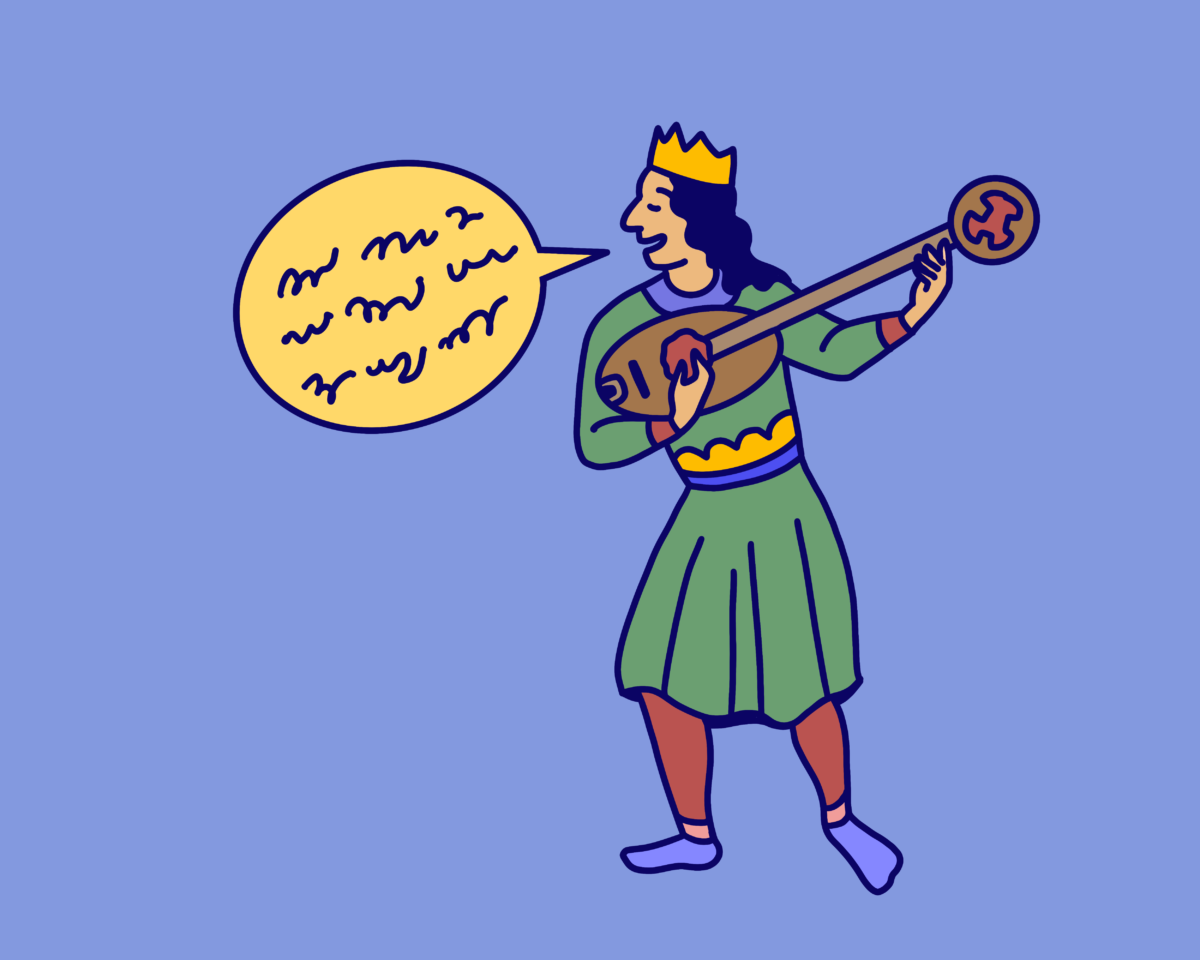
    El español medieval, esa fascinante etapa de nuestra lengua entre los siglos XIII y XV, no sólo nos dejó palabras curiosas y construcciones poéticas, sino también una increíble cantidad de abreviaturas que harían temblar a cualquier usuario moderno de WhatsApp. Pero, ¿por qué se abreviaba tanto en aquella época?

    La economía del pergamino y el tiempo

    En la Edad Media, escribir no era tarea fácil ni barata. Los libros se copiaban a mano, y el pergamino, el material utilizado para escribir, era un recurso valioso. Por eso, los escribas medievales desarrollaron un sistema de abreviaturas que les permitía ahorrar espacio y tiempo. Cada centímetro de pergamino contaba, y las abreviaturas eran la solución perfecta para maximizar su uso.

    Por ejemplo, palabras comunes como “Cristo” se representaban con una X (una forma derivada de la letra griega khi), y terminaciones como -us o -um se reducían a una simple línea ondulada sobre la palabra. Estas marcas, conocidas como “abreviaturas por suspensión” o “contracción”, eran tan comunes que leer textos medievales sin una guía era casi imposible para el no iniciado.

    El arte de las abreviaturas

    Pero las abreviaturas no eran solo una cuestión práctica, también reflejaban el ingenio y la creatividad de los escribas. Cada escuela o scriptorium tenía sus propias variantes, lo que hacía que las abreviaturas fueran casi un idioma dentro del idioma. Algunos escribas incluso desarrollaban sistemas tan complejos que parecían códigos secretos.

    Por ejemplo, las palabras “que” y “quien” se reducían a simples “q” con signos adicionales, y frases completas como “dijo que” podían comprimirse en un solo símbolo. Este sistema no solo ahorraba espacio, sino que también daba un aire de sofisticación a los textos.

    ¿Qué nos queda hoy de esas abreviaturas?

    Aunque muchas de las abreviaturas medievales desaparecieron con la llegada de la imprenta en el siglo XV, algunas sobrevivieron y llegaron hasta nuestros días. Por ejemplo, el uso de “etc.” para “et cetera” o “Sr.” para “señor”. Estas pequeñas reliquias nos recuerdan que, aunque nuestras comunicaciones modernas están llenas de emojis y acrónimos, la necesidad de abreviar es tan antigua como el propio lenguaje.

    Así que, la próxima vez que escribas “tqm” o “xfa” en un mensaje, recuerda que estás siguiendo una tradición que comenzó hace siglos. ¡La brevedad siempre ha sido el alma del ingenio, incluso en el español medieval!

    Sigue conociendo más curiosidades del lenguaje y de la lengua castellana, visitando y leyendo los distintos artículos que semana a semana publicamos en el blog de iScribo. Y si buscas mejorar tu escritura en español y corregir alguna variante específica de este idioma, no olvides suscribirte a nuestro maravilloso corrector gramatical. ¡Te esperamos!

  • Did You Know That Medieval Spanish Was More Abbreviated Than Modern Spanish?

    Did You Know That Medieval Spanish Was More Abbreviated Than Modern Spanish?

    Medieval Spanish, that fascinating phase of our language between the 13th and 15th centuries, left us with not only curious words and poetic constructions but also an incredible array of abbreviations that would put modern texting shortcuts to shame. But why was abbreviation so prevalent back then?

    The Economy of Parchment and Time

    Writing was neither easy nor cheap in the Middle Ages. Books were copied by hand, and parchment, the material used for writing, was a precious resource. To save space and time, medieval scribes developed an elaborate system of abbreviations. Every inch of parchment was valuable, and abbreviations were the perfect solution for maximising its use.

    For instance, common words like “Christ” were represented by a simple “X” (derived from the Greek letter chi), and endings like -us or -um were reduced to a single wavy line above the word. These marks, known as “suspension” or “contraction” abbreviations, were so prevalent that reading medieval texts without a guide was nearly impossible for the untrained eye.

    The Art of Abbreviation

    Abbreviations weren’t just practical—they reflected the scribes’ creativity and ingenuity. Each school or scriptorium developed its variations, making abbreviations almost like a language within a language. Some scribes even created systems so intricate they resembled secret codes.

    For example, words like “que” (that) and “quien” (who) were reduced to a simple “q” with additional marks, and entire phrases such as “dijo que” (he/she said that) could be compressed into a single symbol. This system saved space and added an air of sophistication to the texts.

    What Remains of These Abbreviations Today?

    While many medieval abbreviations vanished with the invention of the printing press in the 15th century, some survived and are still in use today. For instance, abbreviations like “etc.” for “et cetera” and “Mr.” for “Mister” are direct descendants of these medieval practices. These small relics remind us that while modern communication is filled with emojis and acronyms, the need to abbreviate is as old as language.

    So, the next time you type “LOL” or “BTW” in a message, remember that you’re continuing a tradition that began centuries ago. Brevity has always been the soul of wit—even in medieval Spanish!

    Keep learning curiosities about the language and the Spanish language, visiting and reading the articles we publish weekly on the iScribo blog. If you want to improve your Spanish writing and correct a specific variant of this language, subscribe to our superb grammar checker. We are waiting for you!

Want more Spanish tips?

Get them direct to your inbox

Sign up for tips and tricks to perfect your Spanish writing skills. You’ll be writing like a native in no time.

Free Trial until 30 September 2021: Our subscription programme does not start until 1 October 2021. So, as long as you provide us with a feedback you can use our site for free until noon 30 September 2021 (GMT)