Day: February 12, 2025

  • ¡Nuevas palabras en la RAE! De “Espóiler” a “Teletrabajar”: así evoluciona nuestro idioma

    ¡Nuevas palabras en la RAE! De “Espóiler” a “Teletrabajar”: así evoluciona nuestro idioma

    ¡Hola, amantes de las palabras! El idioma español, tan rico y diverso, no deja de evolucionar. Cada año, la Real Academia Española (RAE) actualiza su diccionario para reflejar cómo hablamos en el día a día. La última actualización no es la excepción: incluye más de 4,000 modificaciones, entre nuevas palabras, definiciones actualizadas y reconocimientos que muchos esperaban. Vamos a explorar algunos de los términos más interesantes y su impacto en la evolución del español.

    Espóiler

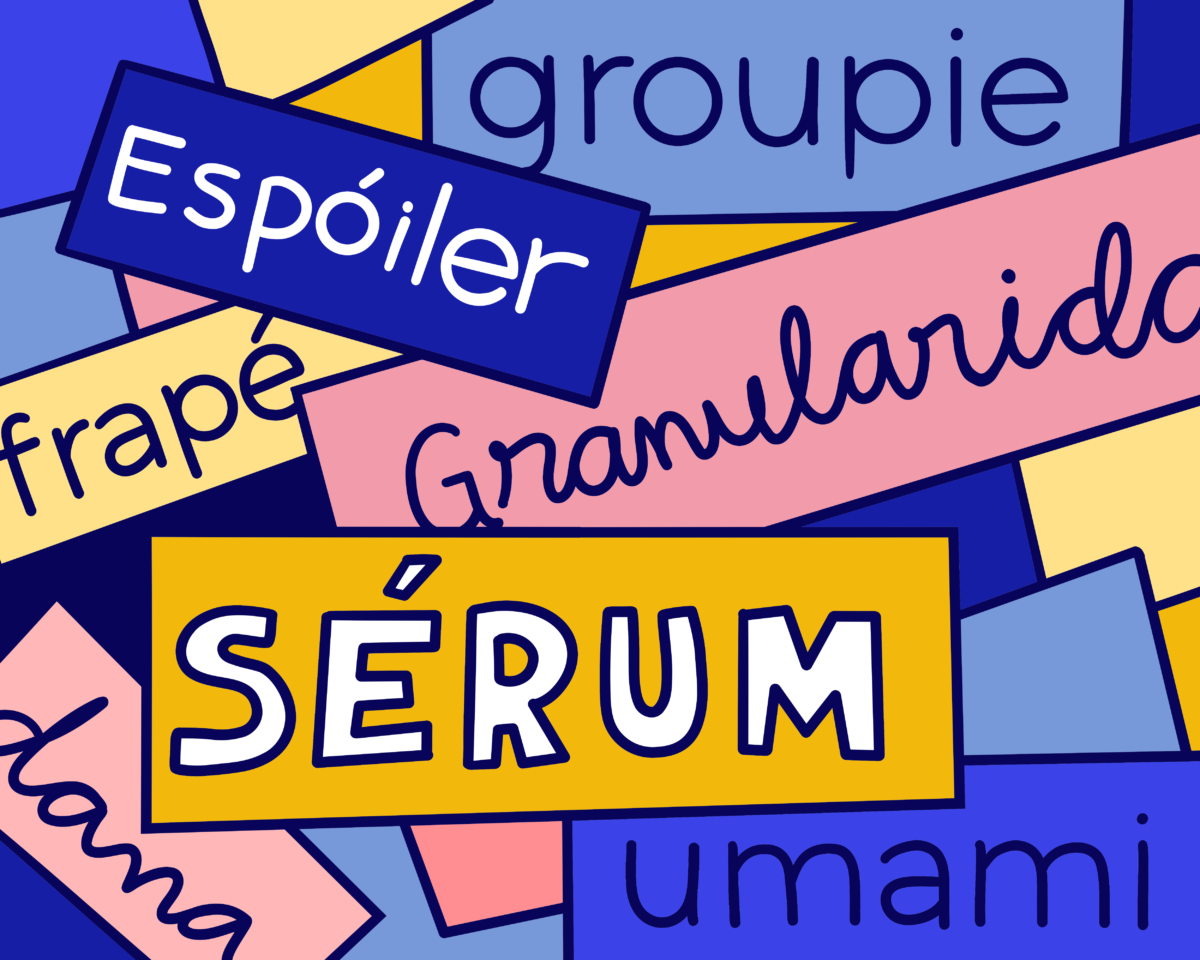
    ¿Quién no ha sufrido un “espóiler”? Esa molesta revelación de detalles cruciales de una serie o película que arruina la sorpresa. Aunque algunos critican la inclusión de anglicismos, es innegable que esta palabra ya forma parte de nuestro vocabulario cotidiano. Su entrada al diccionario refleja cómo la lengua se adapta a la realidad cultural de sus hablantes.

    Teletrabajar

    Si hay una palabra que define la era de la pandemia, es “teletrabajar”. Significa trabajar desde un lugar fuera de la oficina, generalmente desde casa, utilizando herramientas tecnológicas. Su incorporación al diccionario no solo legitima su uso, sino que también refleja un cambio social profundo en nuestra forma de trabajar.

    Sérum

    Para los amantes del cuidado de la piel, el “sérum” no es ninguna novedad. Este producto cosmético ligero, diseñado para tratar necesidades específicas, ya era un término común en la industria de la belleza. Ahora, la RAE lo reconoce como parte oficial del español.

    Dana

    Aunque suena a nombre propio, “dana” se refiere a un fenómeno meteorológico que causa lluvias intensas y tormentas. Es el acrónimo de Depresión Aislada en Niveles Altos. Dada su relevancia en los informes meteorológicos y debates sobre el cambio climático, su inclusión era cuestión de tiempo.

    Barista

    Con el auge de la cultura del café, la palabra “barista” se ha vuelto esencial. Este término define a los expertos en la preparación de café de alta calidad. Su entrada en el diccionario confirma la influencia global del café en nuestra vida cotidiana.

    Tabulé

    Los amantes de la gastronomía seguramente reconocen “tabulé,” la deliciosa ensalada de origen árabe hecha con trigo bulgur, perejil, tomate y otros ingredientes frescos. Su incorporación es un ejemplo de cómo la cocina global enriquece nuestro idioma.

    Más novedades

    La última actualización no se limita a las palabras que hemos tratado hasta ahora. También se han añadido términos como “chorreo” (que significa regaño o reprimenda), “microplástico” e incluso términos divertidos como “techno” (un género musical). Estas palabras abarcan una amplia gama de temas, desde cuestiones medioambientales hasta la cultura pop, y muestran la naturaleza dinámica e inclusiva del idioma español.

    El idioma es un reflejo de su tiempo y de sus hablantes. ¿Qué opinas de estas nuevas palabras? ¿Te parecen necesarias o prescindibles? Al final, el español es de todos, y juntos hacemos que evolucione y se mantenga vivo.

    Sigue conociendo más curiosidades del lenguaje y de la lengua castellana, visitando y leyendo los distintos artículos que semana a semana publicamos en el blog de iScribo. Y si buscas mejorar tu escritura en español y corregir alguna variante específica de este idioma, no olvides suscribirte a nuestro maravilloso corrector gramatical. ¡Te esperamos!

  • New Words in the RAE! From “Espóiler” to “Teletrabajar”: How Our Language Evolves

    New Words in the RAE! From “Espóiler” to “Teletrabajar”: How Our Language Evolves

    Hey there, word enthusiasts! The Spanish language, as vibrant as it is, is constantly evolving. The Royal Spanish Academy (RAE) updates its dictionary annually, reflecting how people speak. The latest update is no exception, with over 4,000 changes, including new words, updated definitions, and even some long-awaited acknowledgements of terms we’ve used for years. Let’s explore a few of the highlights and what they mean for the evolution of Spanish.

    Espóiler

    We’ve all been there. You’re midway through a series or eagerly waiting to watch a movie, and someone drops a spoiler. Now, the word “espóiler” is officially part of the dictionary. Borrowed from English, it refers to revealing key plot points that ruin a fictional work’s surprise element. While some language purists criticise the use of anglicisms, the reality is that terms like this have become so ingrained in everyday conversation that their inclusion feels natural. After all, language evolves to meet the needs of its speakers.

    Teletrabajar

    If there’s one word that perfectly encapsulates the pandemic era, it’s “teletrabajar.” This term, meaning to work remotely using telecommunication tools, became a part of our collective vocabulary as millions worldwide transitioned to working from home. The RAE’s formal recognition acknowledges the societal shift in how we approach work. With remote work becoming a permanent option for many, this term isn’t going anywhere.

    Sérum

    For skincare aficionados, “sérum” is hardly a novelty. This lightweight cosmetic product, applied before heavier creams, targets specific skin concerns like hydration or anti-ageing. Including this word highlights how lifestyle trends, such as the growing emphasis on skincare, influence the evolution of language. Beauty enthusiasts everywhere can point to the dictionary and say, “See? It’s official!”

    Dana

    Although it might sound like a name, “dana” is an acronym for Depresión Aislada en Niveles Altos (Isolated Depression in Upper Levels). This meteorological phenomenon often brings intense storms and heavy rainfall, particularly in some areas of Spain. Given its growing importance in weather reports and climate discussions, its addition to the dictionary reflects how language adapts to describe our environment and its challenges.

    Barista

    Coffee culture has exploded in recent years, and so has the term “barista.” A barista is a professional who prepares high-quality coffee, often with impressive latte art. The word’s inclusion in the dictionary is a nod to the global influence of coffee culture and its growing importance in daily life.

    Tabulé

    Culinary terms often enter the dictionary as global cuisines become more accessible. Tabulé, a Middle Eastern salad made with bulgur wheat, parsley, tomatoes, and other fresh ingredients, is one such example. Its recognition in the RAE dictionary is a testament to how food connects cultures and enriches our vocabulary.

    More New Additions

    The latest update isn’t just about the words we’ve covered. Terms like “chorreo” (meaning a scolding or reprimand), “microplástico” (microplastic), and even playful entries like “techno” (a music genre) have also been added. These words span a wide range of topics, from environmental issues to pop culture, showcasing the dynamic and inclusive nature of the Spanish language.

    A Living Language

    Language is alive and constantly changing to reflect the world around us. The RAE’s role is to document these changes and provide a framework for how Spanish is spoken and written. Some additions may spark debate—is “espóiler” necessary when we could say “descriptor” or “arruinar”? Does including anglicisms dilute the purity of the language? But ultimately, these changes represent how people use Spanish today.

    What do you think of these new additions? Do they feel like natural evolutions, or do you think some are unnecessary? Regardless of where you stand, one thing is clear: language belongs to its speakers, and together, we shape how it grows and evolves.

    Keep learning curiosities about the language and the Spanish language, visiting and reading the articles we publish weekly on the iScribo blog. If you want to improve your Spanish writing and correct a specific variant of this language, subscribe to our superb grammar checker. We are waiting for you!

Want more Spanish tips?

Get them direct to your inbox

Sign up for tips and tricks to perfect your Spanish writing skills. You’ll be writing like a native in no time.

Free Trial until 30 September 2021: Our subscription programme does not start until 1 October 2021. So, as long as you provide us with a feedback you can use our site for free until noon 30 September 2021 (GMT)