Day: February 26, 2025

  • Idiomas hermanos: dime qué idioma hablas y te diré qué tan rápido aprenderás español

    Idiomas hermanos: dime qué idioma hablas y te diré qué tan rápido aprenderás español

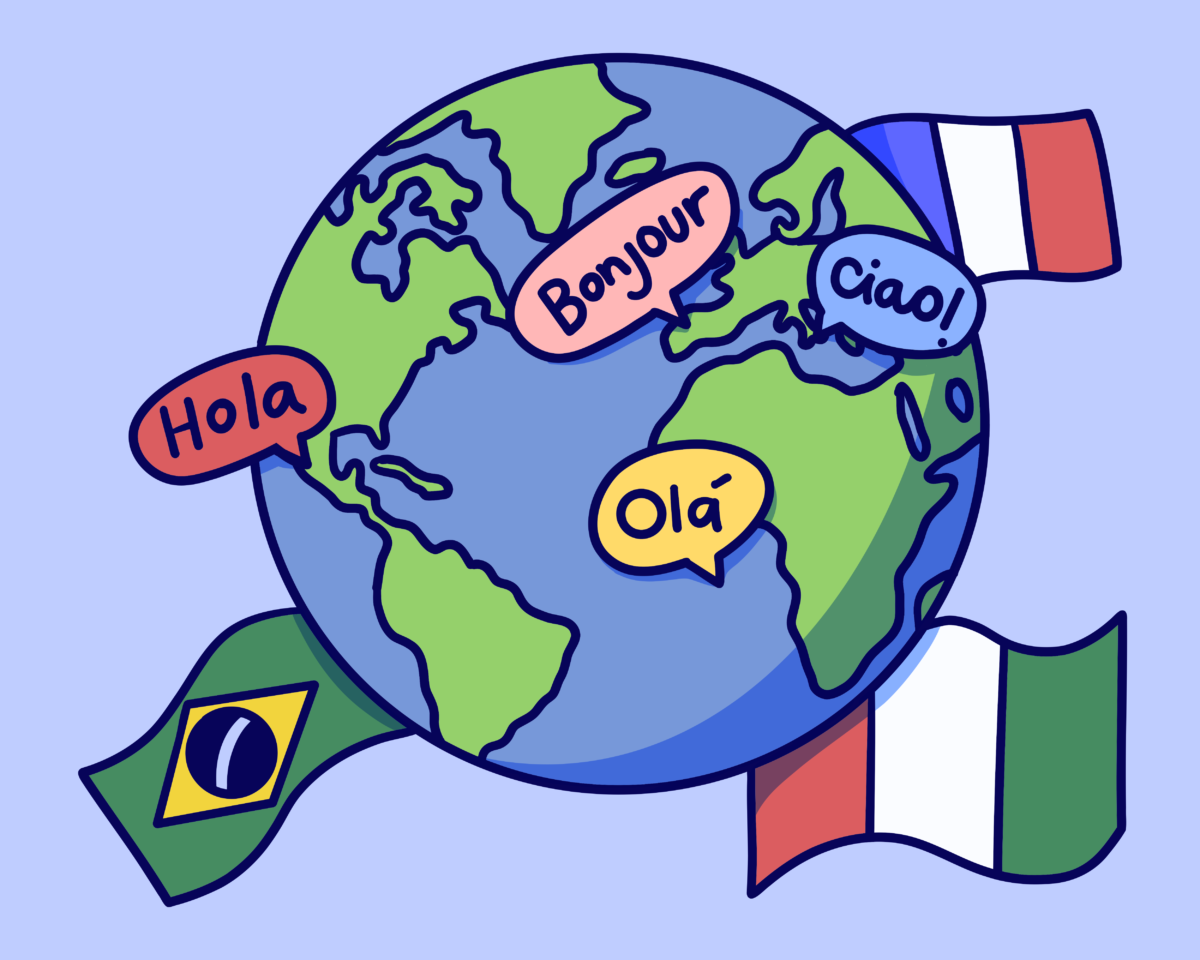
    Aprender un nuevo idioma es como entrar a una fiesta familiar donde no conoces a nadie, pero todos comparten un vínculo. Y si el idioma que quieres aprender es el español, te traemos buenas noticias: tiene muchos “hermanos” que te harán el proceso mucho más fácil (o al menos menos aterrador). ¿Quieres saber qué tan rápido podrías aprender español dependiendo de tu lengua materna? ¡Sigue leyendo!

    La familia romance: los primos cercanos

    El español pertenece a la familia de las lenguas romances, descendientes del latín vulgar, así que, si hablas alguno de sus hermanos, como el italiano, el portugués, el francés, el catalán o el rumano, ya tienes medio camino recorrido.

    Por ejemplo, si eres italiano, felicidades, porque probablemente no necesitarás un curso intensivo para entender el español básico. Palabras como familia, vino o amigo son prácticamente idénticas. Y las estructuras gramaticales también son tan similares que hasta podrían ser vecinas en un diccionario.

    Los hablantes de portugués tampoco lo tienen nada difícil. Con una gramática casi idéntica y un vocabulario muy parecido, la mayor barrera puede ser la pronunciación. Pero no te preocupes, un poco de práctica y pasarás de obrigado a gracias en un abrir y cerrar de ojos.

    El francés, aunque más distante en términos de pronunciación, comparte muchas raíces léxicas. Palabras como nation (nación) o important (importante) son casi las mismas, aunque con un acento diferente. Eso sí, ¡prepárate para los falsos amigos! (Por ejemplo, embarazada no significa embarrassée; significa “pregnant”).

    Las sorpresas del rumano

    Aunque más lejano en el árbol lingüístico, el rumano también es un hermano romance del español. Su gramática incluye casos gramaticales (como el latín clásico), lo que lo hace un poco más complicado. Sin embargo, comparte muchas palabras similares, y los hablantes de rumano suelen encontrar el español mucho más accesible que otros idiomas.

    ¿Y si hablas inglés? Los primos lejanos

    El inglés y el español no son exactamente hermanos, pero son algo así como primos lejanos que se saludan en reuniones familiares. Ambos provienen de la familia indoeuropea, y aunque el inglés pertenece al grupo germánico, ha tomado prestadas miles de palabras del latín y las lenguas romances.

    Gracias a estas palabras prestadas, muchos términos académicos, científicos o políticos son fáciles de reconocer: hospital, animal, intelligent, communication, y muchos más. Además, el inglés y el español comparten estructuras sencillas en tiempos verbales y un alfabeto casi idéntico, lo que facilita las cosas.

    Las lenguas germánicas: con esfuerzo, pero posible

    Si tu lengua materna es el alemán, neerlandés o sueco, aprender español puede ser un poco más desafiante, pero no imposible. La gramática española es más flexible que la germánica, lo que puede ser un alivio. Además, muchas palabras han viajado entre las lenguas a lo largo de los siglos: ¿sabías que “guante” viene del germánico want?

    Las lenguas eslavas: ¡conexión inesperada!

    ¿Hablas ruso, polaco o checo? Aunque el español no sea un pariente directo, compartir el alfabeto latino (excepto en el caso del ruso) ya es una ventaja. Además, las lenguas eslavas tienen sonidos similares a los del español, lo que hace que pronunciar palabras como montaña o mujer sea un poco más fácil.

    El caso de las lenguas asiáticas: un desafío emocionante

    Para hablantes de lenguas como el chino, el japonés o el coreano, aprender español puede parecer una montaña más alta, pero no imposible de escalar. La mayor dificultad suele ser la gramática y los géneros gramaticales (¿por qué una mesa es femenina y un libro masculino?). Sin embargo, el español tiene una ventaja importante: su pronunciación es mucho más consistente que la del inglés, lo que lo convierte en un idioma más lógico para aprender.

    Lenguas indígenas: vínculos inesperados

    Si hablas lenguas como el náhuatl o el quechua, te sorprenderá saber que el español ha tomado prestadas muchas palabras de estas culturas. Términos como chocolate, aguacate o cancha tienen raíces indígenas. Además, en muchos casos, la estructura fonética del español se adapta bien a los hablantes de estas lenguas.

    El español, un idioma para todos

    Una de las grandes ventajas del español es su claridad y consistencia. Es un idioma con reglas gramaticales bastante estables y una pronunciación casi completamente fonética (lo que lees, lo dices). Además, con más de 500 millones de hablantes en el mundo, tendrás muchas oportunidades para practicar.

    Así que, ya sea que hables un idioma romance, inglés, o una lengua completamente diferente, ¡aprende español! Nunca sabes qué tanto disfrutarás de sus expresiones, su música o la rica cultura que acompaña al idioma. Y tú, ¿qué idioma hablas? ¡Cuéntanos qué tan fácil (o difícil) ha sido para ti aprender español!

    Sigue conociendo más curiosidades del lenguaje y de la lengua castellana, visitando y leyendo los distintos artículos que semana a semana publicamos en el blog de iScribo. Y si buscas mejorar tu escritura en español y corregir alguna variante específica de este idioma, no olvides suscribirte a nuestro maravilloso corrector gramatical. ¡Te esperamos!

  • Sister Languages: Tell Me What Language You Speak, and I’ll Tell You How Quickly You’ll Learn Spanish

    Sister Languages: Tell Me What Language You Speak, and I’ll Tell You How Quickly You’ll Learn Spanish

    Learning a new language is like stepping into a family reunion where you don’t know anyone, but everyone shares a connection. And if the language you want to learn is Spanish, here’s some good news: it has plenty of “siblings” that can make the process much easier (or at least less intimidating). Want to know how quickly you might learn Spanish, depending on your native tongue? Keep reading!

    The Romance Family: Close Cousins

    Spanish belongs to the Romance language family, descendants of Vulgar Latin. You’re already halfway there if you speak one of its siblings, like Italian, Portuguese, French, Catalan, or Romanian.

    For example, if you’re an Italian speaker, congratulations! You probably won’t need an intensive course to grasp basic Spanish. Words like familia (family), vino (wine), or amigo (friend) are practically identical. Even the grammatical structures are so similar they could be neighbours in a dictionary.

    Portuguese speakers also have it pretty easy. With grammar that’s almost identical and very similar to vocabulary, the biggest challenge might be pronunciation. But don’t worry—with some practice, you’ll go from obrigado to gracias in no time.

    French, while more distant in pronunciation, shares many lexical roots. Words like nation (nación) or important (importante) are almost the same, with a different accent. Watch out for false friends, though! (Embarazada doesn’t mean embarrassée; it means “pregnant.” Oops!)

    The Surprise of Romanian

    Though further away on the linguistic tree, Romanian is also a Romance sibling of Spanish. Its grammar includes case systems (like Classical Latin), which makes it a bit trickier. However, it shares many similar words, and Romanian speakers often find Spanish more accessible than other languages.

    What About English? Distant Cousins

    English and Spanish aren’t exactly siblings, but they’re more like distant cousins who greet each other at family gatherings. Both come from the Indo-European family, and while English belongs to the Germanic branch, it has borrowed thousands of words from Latin and Romance.

    Thanks to these borrowed words, many academic, scientific, or political terms are easy to recognise: hospital, animal, intelligent, communication, etc. Plus, English and Spanish share straightforward verb structures and an almost identical alphabet, making things a bit easier.

    The Germanic Languages: A Little Effort, But Doable

    If your native language is German, Dutch, or Swedish, learning Spanish might be a bit more challenging, but it’s far from impossible. Spanish grammar is more flexible than Germanic grammar, which can be a relief. Plenty of words have travelled between these languages over the centuries. Did you know that guante (glove) comes from the Germanic word want?

    The Slavic Languages: Unexpected Connections!

    Do you speak Russian, Polish, or Czech? Although Spanish isn’t directly related, sharing the Latin alphabet (except for Russian) is advantageous. Slavic languages have sounds similar to Spanish, making pronouncing words like montaña (mountain) or mujer (woman) a bit easier.

    Asian Languages: A Fun Challenge

    For speakers of languages like Chinese, Japanese, or Korean, learning Spanish might seem like climbing a higher mountain, but it’s not impossible. The biggest difficulties are often the grammar and the concept of gendered nouns (why is a table feminine and a book masculine?). However, Spanish has a big advantage: its pronunciation is much more consistent than English’s, making it a more logical language to learn.

    Indigenous Languages: Unexpected Links

    If you speak languages like Náhuatl or Quechua, you might be surprised to learn that Spanish has borrowed many words from these cultures. Terms like chocolate, aguacate (avocado), or cancha (field) have indigenous roots. Additionally, in many cases, Spanish phonetics adapt well to speakers of these languages.

    Spanish: A Language for Everyone

    One of the most significant advantages of Spanish is its clarity and consistency. It’s a language with relatively stable grammar rules and pronunciation almost entirely phonetic (what you read is what you say). Plus, with over 500 million speakers worldwide, you’ll have plenty of opportunities to practice.

    Learning Spanish is an exciting journey whether you speak a Romance language, English, or something entirely different. You never know how much you’ll enjoy its expressions, music, or the rich culture that comes with it. And you? What language do you speak? Share your experience learning Spanish, and let’s celebrate the wonders of our linguistic family together!

    Keep learning curiosities about the language and the Spanish language, visiting and reading the articles we publish weekly on the iScribo blog. If you want to improve your Spanish writing and correct a specific variant of this language, subscribe to our superb grammar checker. We are waiting for you!

Want more Spanish tips?

Get them direct to your inbox

Sign up for tips and tricks to perfect your Spanish writing skills. You’ll be writing like a native in no time.

Free Trial until 30 September 2021: Our subscription programme does not start until 1 October 2021. So, as long as you provide us with a feedback you can use our site for free until noon 30 September 2021 (GMT)