Day: March 19, 2025

  • El lenguaje de la gastronomía: palabras únicas del español para describir sabores, texturas y platos típicos

    El lenguaje de la gastronomía: palabras únicas del español para describir sabores, texturas y platos típicos

    Te sientas a la mesa, coges el tenedor y, con el primer bocado, una sonrisa se dibuja en tu rostro. “¡Esto está para chuparse los dedos!”, exclamas, mientras el aroma de la comida te envuelve. No es sólo el sabor, sino la textura, el olor y el recuerdo que cada plato evoca.

    La gastronomía tiene su propio lenguaje, y en español contamos con una riqueza de palabras y expresiones para describir la experiencia culinaria con una precisión y pasión que pocos idiomas pueden igualar.

    Palabras que despiertan el paladar

    El español es un idioma tan sabroso como su comida. No nos basta con decir que algo está bueno; necesitamos matices, detalles que expresen exactamente lo que sentimos en el paladar. Un guiso puede ser “contundente”, es decir, denso y lleno de sustancia, ideal para reponer fuerzas. Un plato “meloso” tiene una textura suave y untuosa, como un buen risotto o un arroz caldoso. Y si un postre es “empalagoso”, significa que su dulzura es excesiva, al punto de ser casi imposible terminar.

    En cuanto a los sabores, el español tiene palabras específicas para describir sensaciones que van más allá de lo básico. Lo “amargo” de un buen café no es lo mismo que lo “astringente” de un vino tinto joven. Algo “picante” produce un calor en la boca, pero si es “especiado”, implica una mezcla compleja de aromas y sabores que no necesariamente queman.

    La textura importa

    No todo es sabor en la comida; la textura también juega un papel clave. En español podemos describir un alimento como “crujiente” cuando suena al morderlo, como una buena corteza de pan o una fritura bien hecha. Si es “jugoso”, retiene sus jugos y se siente fresco y sabroso, como una carne al punto o una fruta madura. Un bizcocho “esponjoso” es ligero y aireado, mientras que uno “mazacote” es denso y pesado, a veces demasiado.

    Platos con nombres inconfundibles

    Más allá de las palabras que describen sensaciones, en el español gastronómico también encontramos nombres de platos que, por sí mismos, evocan tradición y sabor.

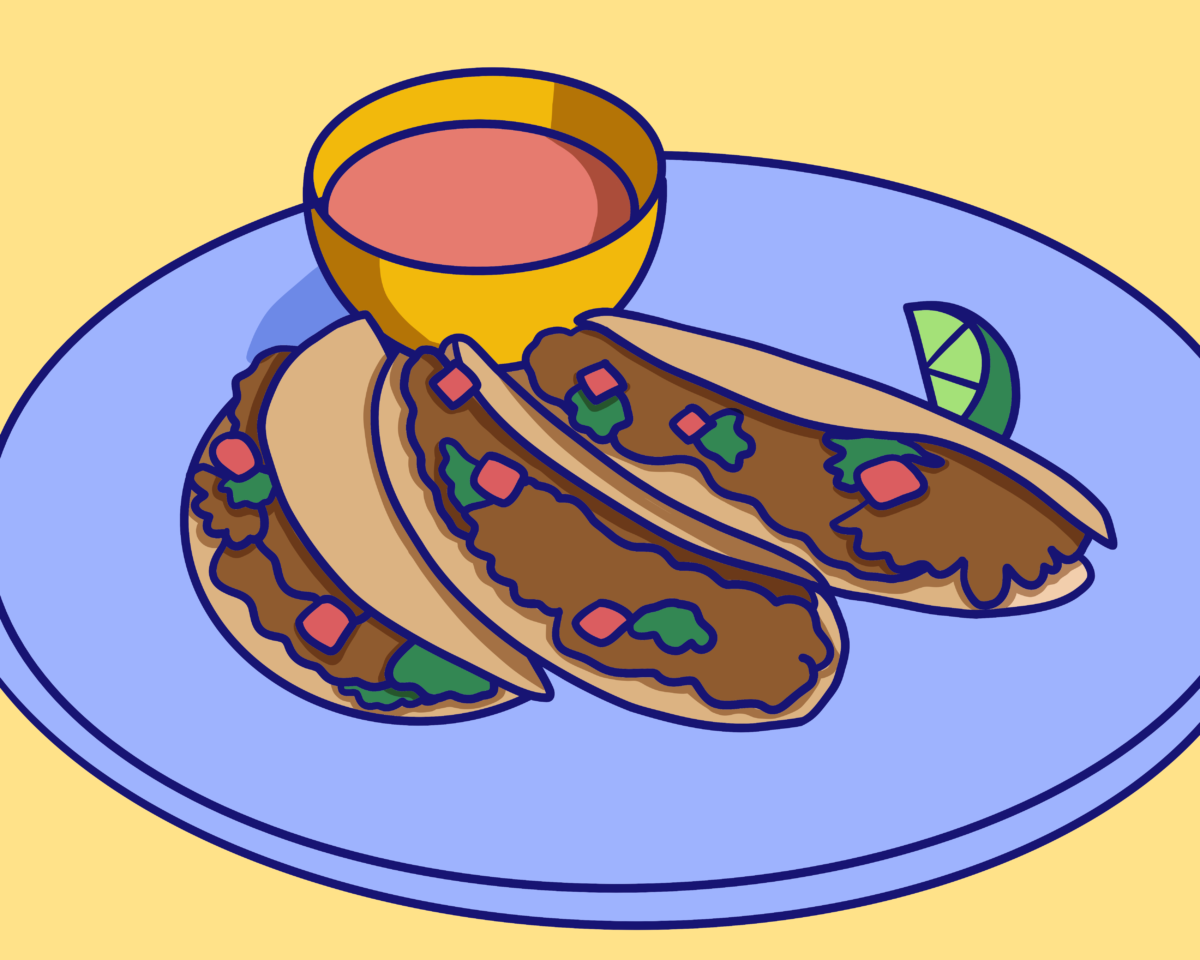
    • ¡Imagínate un abrazo comestible! Un taco mexicano es como un pequeño edredón de maíz que envuelve con cariño un relleno jugoso y lleno de sabor. Puede ser de suadero, pastor, cochinita o hasta nopalitos, pero siempre viene con su séquito inseparable: cebolla, cilantro y una salsa que te puede hacer llorar de felicidad… o de picor. Es un realmente un bocado de fiesta.
    • Las tapas españolas son como esos amigos que nunca fallan: pequeñas, variadas y siempre bienvenidas. Desde una croqueta crujiente que esconde un corazón cremoso hasta unas patatas bravas que te desafían con su salsa picantita, cada tapa es una historia corta pero sabrosa.
    • El chancho en piedra es la rockstar de las salsas chilenas: simple, rústico y lleno de carácter. Se hace con tomates bien maduros, ají, ajo y cilantro, todo machacado en un mortero de piedra hasta que los sabores se abrazan con intensidad. El resultado es una mezcla fresca, vibrante y con un picante juguetón que despierta los sentidos. Su nombre puede despistar a los desprevenidos (no lleva cerdo, solo su espíritu sabroso), pero su fama es bien merecida. Es el acompañante ideal para un pan amasado calentito, y una excusa perfecta para compartir en buena compañía. ¡Una cucharada y ya estás en Chile!
    • Las torrijas españolas son la prueba de que con ingredientes sencillos se pueden crear auténticos manjares. Son rebanadas de pan que, tras un baño en leche aromatizada con canela y limón, se rebozan en huevo y se fríen hasta quedar doradas y crujientes por fuera, pero tiernas y jugosas por dentro. Luego, se espolvorean con azúcar y canela o se bañan en miel, convirtiéndose en un bocado dulce y reconfortante. Tradicionales de la Semana Santa, pero bienvenidas todo el año, las torrijas son el abrazo calórico que nadie rechaza.

    Expresiones gastronómicas

    La comida es tan importante en la cultura hispanohablante que ha dado lugar a innumerables expresiones. Decir que alguien está “como un fideo” significa que es muy delgado, mientras que si está “hecho un tonel” implica todo lo contrario. Si un plato está “para chuparse los dedos”, es que está delicioso, y si alguien “no da ni un huevo”, significa que es tacaño.

    Y, por supuesto, no podemos olvidar la expresión favorita de muchos: “pan comido”, que se usa para referirse a algo fácil de hacer. Aunque, a decir verdad, en la cocina no todo es tan sencillo como parece.

    Un idioma para saborear

    Quienes hablamos castellano tenemos una forma especial de hablar sobre la comida, llena de matices, texturas y evocaciones. Quizás sea porque la gastronomía es más que alimentarse: es historia, es cultura y, sobre todo, es placer. La próxima vez que disfrutes de un buen plato, intenta describirlo con algunas de estas palabras. Porque la comida no solo se prueba, también se cuenta y para eso bien sabemos disfrutar de la sobremesa.

    Sigue conociendo más curiosidades del lenguaje y de la lengua castellana, visitando y leyendo los distintos artículos que semana a semana publicamos en el blog de iScribo. Y si buscas mejorar tu escritura en español y corregir alguna variante específica de este idioma, no olvides suscribirte a nuestro maravilloso corrector gramatical. ¡Te esperamos!

  • The Language of Gastronomy: Unique Spanish Terms for Describing Flavours, Textures, and Traditional Dishes

    The Language of Gastronomy: Unique Spanish Terms for Describing Flavours, Textures, and Traditional Dishes

    You sit down at the table, pick up your fork, and with the first bite, a smile spreads across your face. “This is absolutely delicious!” you exclaim, as the aroma of the food envelops you. It’s not just the taste, but the texture, the scent, and the memory each dish brings to mind. Gastronomy possesses its own language, and in Spanish, we have many words and expressions that describe the culinary experience with a precision and passion that few languages can match.

    Words That Awaken the Palate

    Spanish is a language as tasty as its food. It is not enough to say that something is good; we need nuances, details that express precisely what we feel on the palate. A stew can be “contundente” (strong), dense and full of substance, ideal for replenishing energy. A “meloso” dish has a soft and unctuous texture, like a good risotto or a rice soup. And if a dessert is “empalagoso” (cloying), its sweetness is excessive, almost impossible to finish.

    As for flavours, Spanish has specific words to describe sensations that go beyond the basics. The “bitter” of a good coffee is not the same as the “astringent” of a young red wine. Something “spicy” produces a warmth in the mouth, but if it is “especiado” (spicy), it implies a complex mixture of aromas and flavours that do not necessarily burn.

    Texture Matters

    It’s not solely about flavour in food; texture also plays a crucial role. In Spanish, we describe a food as “crujiente” (crispy) when it makes a sound when you bite into it, like a good crust of bread or a well-cooked fry. If it’s “jugoso” (juicy), it retains its juices and feels fresh and flavoursome, like medium-rare meat or ripe fruit. A “esponjoso” (spongy) cake is light and airy, while a “mazacote” cake is dense, heavy, and sometimes excessively.

    Dishes with Unmistakable Names

    Beyond the words that describe sensations, gastronomic Spanish also includes the names of dishes that evoke tradition and flavour.

    • Imagine an edible hug! A Mexican taco is like a small corn quilt that lovingly envelops a juicy and flavourful filling. It can be made of suadero, pastor, cochinita or even nopalitos. Still, it always comes with its inseparable entourage: onion, cilantro and a sauce that can make you cry from happiness… or spiciness. It is a festive bite.
    • Spanish tapas are like those friends that never fail: small, varied and always welcome. Each tapa is a short but tasty story from a crunchy croquette that hides a creamy heart to some patatas bravas that challenge you with their spicy sauce.
    • Chancho en piedra is the rockstar of Chilean sauces: simple, rustic, and full of character. It is made with ripe tomatoes, chilli, garlic, and cilantro, all crushed in a stone mortar until the flavours merge intensely. The result is a fresh, vibrant mix with a playful spiciness that awakens the senses. Its name may mislead the unprepared (it doesn’t contain pork, just its tasty spirit), but its fame is well-deserved. It is the ideal accompaniment to warm, kneaded bread and a perfect excuse to share in good company. One spoonful and you’re in Chile!
    • Spanish torrijas are proof that simple ingredients can create authentic delicacies. They are slices of bread that, after being dipped in milk flavoured with cinnamon and lemon, are coated in egg and fried until golden and crispy on the outside but tender and juicy on the inside. Then, they are sprinkled with sugar and cinnamon or dipped in honey, becoming a sweet and comforting snack. Traditional for Easter but welcome all year round, torrijas are the caloric hug that no one refuses.

    Gastronomic Expressions

    Food is so vital in Spanish-speaking culture that it has given rise to countless expressions. Saying that someone is “como un fideo” means they are skinny, while if they are “hecho un tonel” it implies the opposite. If a dish is “para chuparse los dedos”, it is because it is delicious, and if someone “no da ni un huevo”, it means they are stingy.

    Of course, we cannot forget many people’s favorite expression: “pan comido,” which refers to something easy to make. However, not everything in the kitchen is as simple as it seems.

    Food is so vital in Spanish-speaking culture that it has given rise to countless expressions. Saying that someone is “like a noodle” means they are skinny, while if they are “made into a barrel” it implies the opposite. If a dish is “to lick your fingers”, it is because it is delicious, and if someone “doesn’t give even an egg”, it means they are stingy.

    Of course, we cannot forget many people’s favorite expression: “pan comido,” which refers to something easy to make. However, to tell the truth, not everything in the kitchen is as simple as it seems.

    A Language to Savour

    Those who speak Spanish have a unique way of discussing food, rich in nuances, textures, and evocations. Perhaps it is because gastronomy is more than simply eating: it is history, it is culture, and, above all, it is pleasure. The next time you savour a good dish, attempt to describe it with some of these words. Food is not only tasted but also narrated, which is why we know how to relish la sobremesa.

    Keep learning curiosities about the language and the Spanish language, visiting and reading the articles we publish weekly on the iScribo blog. If you want to improve your Spanish writing and correct a specific variant of this language, subscribe to our superb grammar checker. We are waiting for you!

Want more Spanish tips?

Get them direct to your inbox

Sign up for tips and tricks to perfect your Spanish writing skills. You’ll be writing like a native in no time.

Free Trial until 30 September 2021: Our subscription programme does not start until 1 October 2021. So, as long as you provide us with a feedback you can use our site for free until noon 30 September 2021 (GMT)