Author: Constanza Jeldres

  • Sister Languages: Tell Me What Language You Speak, and I’ll Tell You How Quickly You’ll Learn Spanish

    Sister Languages: Tell Me What Language You Speak, and I’ll Tell You How Quickly You’ll Learn Spanish

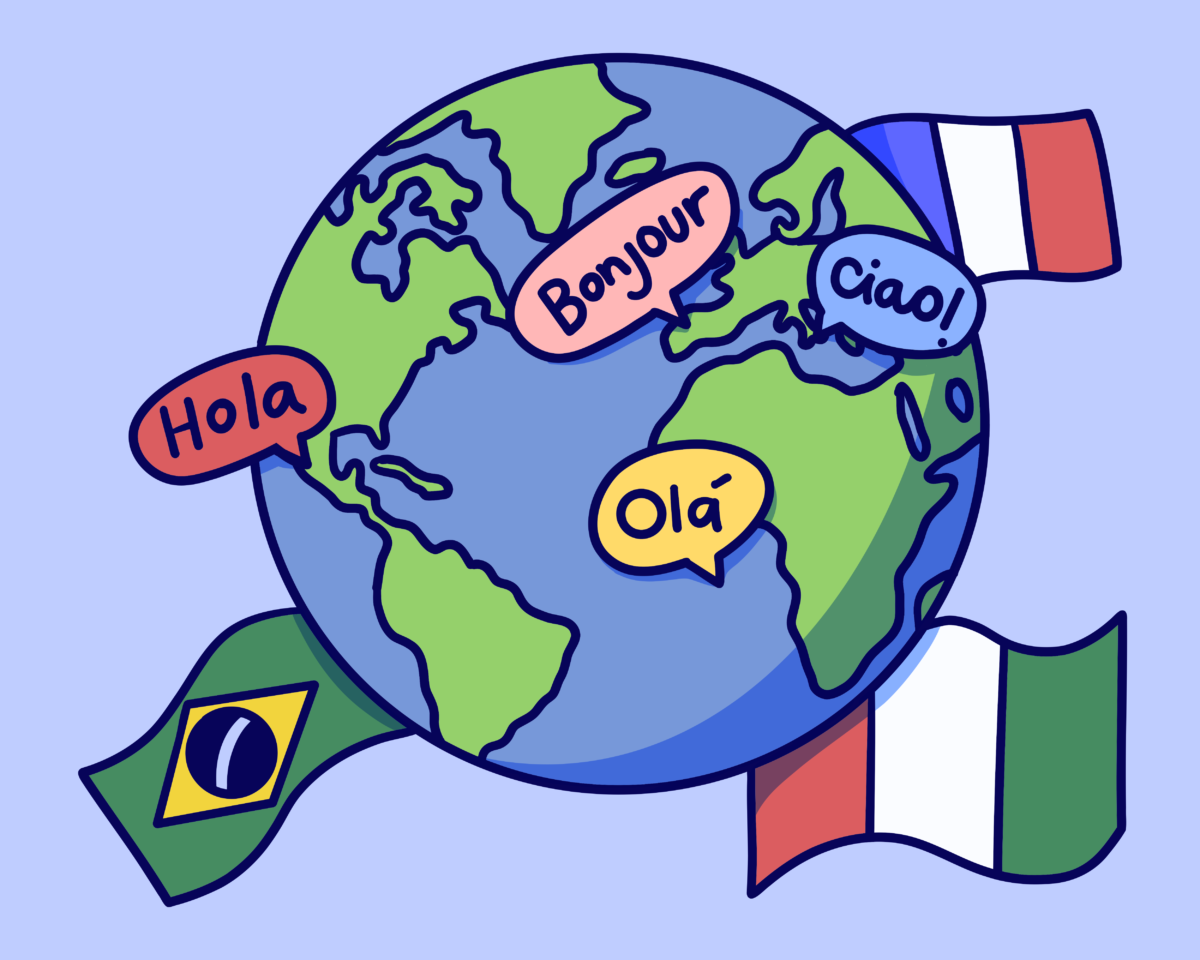
    Learning a new language is like stepping into a family reunion where you don’t know anyone, but everyone shares a connection. And if the language you want to learn is Spanish, here’s some good news: it has plenty of “siblings” that can make the process much easier (or at least less intimidating). Want to know how quickly you might learn Spanish, depending on your native tongue? Keep reading!

    The Romance Family: Close Cousins

    Spanish belongs to the Romance language family, descendants of Vulgar Latin. You’re already halfway there if you speak one of its siblings, like Italian, Portuguese, French, Catalan, or Romanian.

    For example, if you’re an Italian speaker, congratulations! You probably won’t need an intensive course to grasp basic Spanish. Words like familia (family), vino (wine), or amigo (friend) are practically identical. Even the grammatical structures are so similar they could be neighbours in a dictionary.

    Portuguese speakers also have it pretty easy. With grammar that’s almost identical and very similar to vocabulary, the biggest challenge might be pronunciation. But don’t worry—with some practice, you’ll go from obrigado to gracias in no time.

    French, while more distant in pronunciation, shares many lexical roots. Words like nation (nación) or important (importante) are almost the same, with a different accent. Watch out for false friends, though! (Embarazada doesn’t mean embarrassée; it means “pregnant.” Oops!)

    The Surprise of Romanian

    Though further away on the linguistic tree, Romanian is also a Romance sibling of Spanish. Its grammar includes case systems (like Classical Latin), which makes it a bit trickier. However, it shares many similar words, and Romanian speakers often find Spanish more accessible than other languages.

    What About English? Distant Cousins

    English and Spanish aren’t exactly siblings, but they’re more like distant cousins who greet each other at family gatherings. Both come from the Indo-European family, and while English belongs to the Germanic branch, it has borrowed thousands of words from Latin and Romance.

    Thanks to these borrowed words, many academic, scientific, or political terms are easy to recognise: hospital, animal, intelligent, communication, etc. Plus, English and Spanish share straightforward verb structures and an almost identical alphabet, making things a bit easier.

    The Germanic Languages: A Little Effort, But Doable

    If your native language is German, Dutch, or Swedish, learning Spanish might be a bit more challenging, but it’s far from impossible. Spanish grammar is more flexible than Germanic grammar, which can be a relief. Plenty of words have travelled between these languages over the centuries. Did you know that guante (glove) comes from the Germanic word want?

    The Slavic Languages: Unexpected Connections!

    Do you speak Russian, Polish, or Czech? Although Spanish isn’t directly related, sharing the Latin alphabet (except for Russian) is advantageous. Slavic languages have sounds similar to Spanish, making pronouncing words like montaña (mountain) or mujer (woman) a bit easier.

    Asian Languages: A Fun Challenge

    For speakers of languages like Chinese, Japanese, or Korean, learning Spanish might seem like climbing a higher mountain, but it’s not impossible. The biggest difficulties are often the grammar and the concept of gendered nouns (why is a table feminine and a book masculine?). However, Spanish has a big advantage: its pronunciation is much more consistent than English’s, making it a more logical language to learn.

    Indigenous Languages: Unexpected Links

    If you speak languages like Náhuatl or Quechua, you might be surprised to learn that Spanish has borrowed many words from these cultures. Terms like chocolate, aguacate (avocado), or cancha (field) have indigenous roots. Additionally, in many cases, Spanish phonetics adapt well to speakers of these languages.

    Spanish: A Language for Everyone

    One of the most significant advantages of Spanish is its clarity and consistency. It’s a language with relatively stable grammar rules and pronunciation almost entirely phonetic (what you read is what you say). Plus, with over 500 million speakers worldwide, you’ll have plenty of opportunities to practice.

    Learning Spanish is an exciting journey whether you speak a Romance language, English, or something entirely different. You never know how much you’ll enjoy its expressions, music, or the rich culture that comes with it. And you? What language do you speak? Share your experience learning Spanish, and let’s celebrate the wonders of our linguistic family together!

    Keep learning curiosities about the language and the Spanish language, visiting and reading the articles we publish weekly on the iScribo blog. If you want to improve your Spanish writing and correct a specific variant of this language, subscribe to our superb grammar checker. We are waiting for you!

  • Palabras del español que cambiaron de significado (¡y nos sorprendieron en el camino!)

    Palabras del español que cambiaron de significado (¡y nos sorprendieron en el camino!)

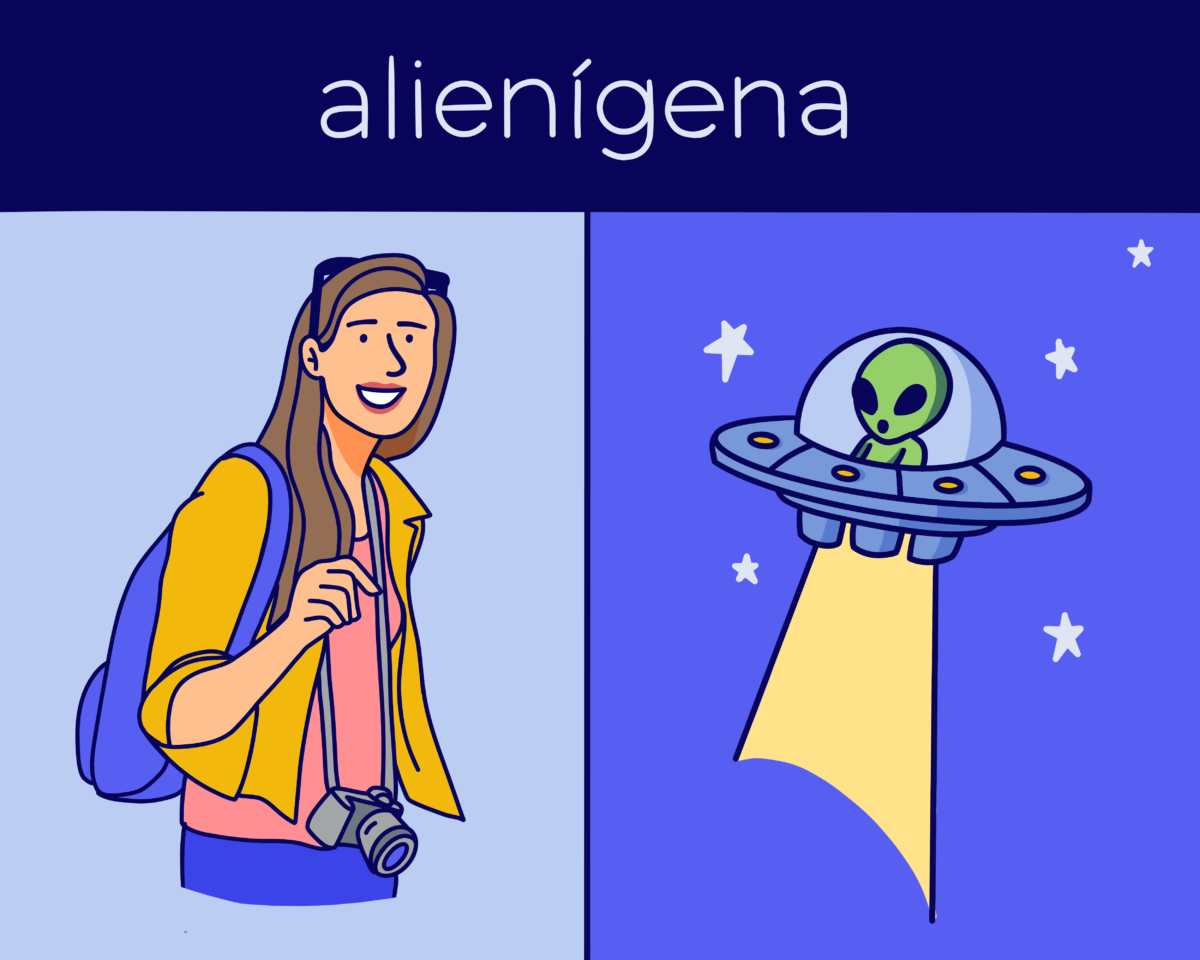
    El español nunca deja de sorprendernos. Es un idioma vivo que evoluciona junto a quienes lo hablamos, y una prueba clara de esto son las palabras cuyo significado ha cambiado con el tiempo. Algunas se transformaron tanto que, si viajáramos al pasado, seguro nos mirarían raro al usarlas como lo hacemos hoy. Aquí te dejamos algunas historias lingüísticas que te sacarán una sonrisa.

    Villano

    Hoy llamamos “villano” al malvado de la película o el antagonista de la historia. Pero si retrocedemos unos siglos, el término tenía un origen más humilde: “villano” era simplemente alguien que vivía en una villa, o sea, en un pequeño pueblo. ¿Cómo pasó de ser un aldeano a un personaje siniestro? Con el tiempo, el término adquirió connotaciones negativas al asociarse con personas de clase baja y, posteriormente, con comportamientos cuestionables.

    Bizarro

    Esta palabra es el ejemplo perfecto de un giro inesperado. En su origen, “bizarro” significaba valiente, generoso o noble, algo digno de un héroe. Sin embargo, la influencia del inglés (bizarre) lo convirtió en sinónimo de raro o extraño. Hoy, dependiendo de a quién le preguntes, puede tener cualquiera de los dos significados.

    Azafata

    En la actualidad, pensamos en una “azafata” como esa persona amable que nos asiste en un avión. Pero, originalmente, este término hacía referencia a una dama de compañía de la corte que servía a reinas y princesas. Fue en el siglo XX, con la popularización de los viajes en avión, que la palabra comenzó a usarse para referirse al personal de cabina. Curioso, ¿no? De los palacios al cielo, literalmente.

    Formidable

    Hoy decimos que algo es “formidable” para referirnos a algo grandioso, impresionante o maravilloso. Sin embargo, en su origen, esta palabra tenía un matiz más oscuro. Venía del latín formidabilis, que significaba “que inspira miedo” o “terrible”. Con el tiempo, ese temor inicial se transformó en admiración, convirtiéndose en un término más positivo.

    Burro

    Sí, todos conocemos la palabra “burro” para referirnos al simpático animal (o a alguien no tan inteligente, aunque esto último es un poco injusto). Pero, ¿sabías que en latín burricus significaba “caballo pequeño”? Lo que empezó como un término elegante terminó transformándose en algo mucho más rural.

    Rodilla

    Si creías que “rodilla” siempre se ha referido únicamente a la articulación de la pierna, piénsalo otra vez. En el español antiguo, esta palabra también se usaba para describir el codo. Imagina la confusión en una conversación médica de aquella época.

    Almohada

    “Almohada” es una palabra de origen árabe (al-mukhadda), que significa “el lugar donde apoyas la mejilla”. Aunque su función no ha cambiado mucho, el término ha evolucionado a través de los siglos y las regiones hasta convertirse en el dulce lugar donde descansamos la cabeza cada noche.

    Botella

    Hoy en día, pensamos en una “botella” de vidrio, pero en la Edad Media el término hacía referencia a cántaros de barro. Con la llegada de nuevos materiales, la palabra evolucionó hasta lo que conocemos ahora.

    Estas historias nos recuerdan que el español es mucho más que reglas gramaticales: es una máquina del tiempo, un reflejo de nuestra historia y cultura. ¿Qué otras palabras conoces que hayan cambiado de significado? ¡Comparte tu favorita y sigamos explorando juntos las maravillas de nuestra lengua!

    Sigue conociendo más curiosidades del lenguaje y de la lengua castellana, visitando y leyendo los distintos artículos que semana a semana publicamos en el blog de iScribo. Y si buscas mejorar tu escritura en español y corregir alguna variante específica de este idioma, no olvides suscribirte a nuestro maravilloso corrector gramatical. ¡Te esperamos!

  • Words in Spanish That Have Changed Their Meaning Over Time (And Surprised Us Along the Way!)

    Words in Spanish That Have Changed Their Meaning Over Time (And Surprised Us Along the Way!)

    Spanish never stops surprising us. It’s a living language that evolves with the people who speak it, and a clear example of this is the words whose meanings have changed over time. Some have transformed so much that if we travelled back in time, people would probably give us strange looks for using them the way we do today. Here are some linguistic stories that will make you smile.

    Villano (Villain)

    Today, we call the “villano” the evil character in a movie or the antagonist of a story. But if we go back a few centuries, the term had a humbler origin: a “villano” was simply someone who lived in a small village. So, how did a humble villager turn into a sinister character? Over time, the term acquired negative connotations by associating with lower-class people and, later, with questionable behaviour.

    Bizarro (Bizarre)

    This word is a perfect example of an unexpected twist. Originally, “bizarro” meant brave, generous, or noble, something worthy of a hero. However, the influence of the English word bizarre turned it into a synonym for strange or unusual. Today, depending on who you ask, it could mean either one.

    Azafata (Flight Attendant)

    Today, we think of an “azafata” as a friendly person who assists us on an aeroplane. But initially, the term referred to a lady-in-waiting in a royal court who served queens and princesses. It wasn’t until the 20th century, with the rise of air travel, that the word began to be used for the cabin crew. Pretty interesting, right? From palaces to the sky!

    Formidable

    Today, we say something is “formidable” to mean excellent, impressive, or outstanding. However, in its origin, this word had a darker nuance. It came from the Latin formidabilis, which meant “fear-inspiring” or “terrible.” Over time, that initial fear transformed into admiration, making the term more positive.

    Burro (Donkey)

    Yes, we all know the word “burro” refers to a lovable animal (or someone who isn’t very intelligent, though that’s a bit unfair). But did you know that in Latin, burricus meant “small horse”? What started as an elegant term ended up becoming much more rural.

    Rodilla (Knee)

    If you thought “rodilla” always referred only to the knee joint, think again. In Old Spanish, this word was also used to describe the elbow. Imagine the confusion in a medical conversation from that time!

    Almohada (Pillow)

    “Almohada” is an Arabic word (al-mukhadda) meaning “the place where you rest your cheek.” Though its function hasn’t changed much, the term has evolved across centuries and regions to become the sweet place where we rest our heads every night.

    Botella (Bottle)

    Nowadays, we think of a “botella” as a glass container, but in the Middle Ages, the term referred to clay jugs. With the arrival of new materials, the word evolved into the meaning we know today.

    These stories remind us that Spanish is much more than just grammar rules: it’s a time machine reflecting our history and culture. Do you know of any other words that have changed their meaning? Please share your favourite, and let’s keep exploring the wonders of our language together!

    Keep learning curiosities about the language and the Spanish language, visiting and reading the articles we publish weekly on the iScribo blog. If you want to improve your Spanish writing and correct a specific variant of this language, subscribe to our superb grammar checker. We are waiting for you!

  • ¡Nuevas palabras en la RAE! De “Espóiler” a “Teletrabajar”: así evoluciona nuestro idioma

    ¡Nuevas palabras en la RAE! De “Espóiler” a “Teletrabajar”: así evoluciona nuestro idioma

    ¡Hola, amantes de las palabras! El idioma español, tan rico y diverso, no deja de evolucionar. Cada año, la Real Academia Española (RAE) actualiza su diccionario para reflejar cómo hablamos en el día a día. La última actualización no es la excepción: incluye más de 4,000 modificaciones, entre nuevas palabras, definiciones actualizadas y reconocimientos que muchos esperaban. Vamos a explorar algunos de los términos más interesantes y su impacto en la evolución del español.

    Espóiler

    ¿Quién no ha sufrido un “espóiler”? Esa molesta revelación de detalles cruciales de una serie o película que arruina la sorpresa. Aunque algunos critican la inclusión de anglicismos, es innegable que esta palabra ya forma parte de nuestro vocabulario cotidiano. Su entrada al diccionario refleja cómo la lengua se adapta a la realidad cultural de sus hablantes.

    Teletrabajar

    Si hay una palabra que define la era de la pandemia, es “teletrabajar”. Significa trabajar desde un lugar fuera de la oficina, generalmente desde casa, utilizando herramientas tecnológicas. Su incorporación al diccionario no solo legitima su uso, sino que también refleja un cambio social profundo en nuestra forma de trabajar.

    Sérum

    Para los amantes del cuidado de la piel, el “sérum” no es ninguna novedad. Este producto cosmético ligero, diseñado para tratar necesidades específicas, ya era un término común en la industria de la belleza. Ahora, la RAE lo reconoce como parte oficial del español.

    Dana

    Aunque suena a nombre propio, “dana” se refiere a un fenómeno meteorológico que causa lluvias intensas y tormentas. Es el acrónimo de Depresión Aislada en Niveles Altos. Dada su relevancia en los informes meteorológicos y debates sobre el cambio climático, su inclusión era cuestión de tiempo.

    Barista

    Con el auge de la cultura del café, la palabra “barista” se ha vuelto esencial. Este término define a los expertos en la preparación de café de alta calidad. Su entrada en el diccionario confirma la influencia global del café en nuestra vida cotidiana.

    Tabulé

    Los amantes de la gastronomía seguramente reconocen “tabulé,” la deliciosa ensalada de origen árabe hecha con trigo bulgur, perejil, tomate y otros ingredientes frescos. Su incorporación es un ejemplo de cómo la cocina global enriquece nuestro idioma.

    Más novedades

    La última actualización no se limita a las palabras que hemos tratado hasta ahora. También se han añadido términos como “chorreo” (que significa regaño o reprimenda), “microplástico” e incluso términos divertidos como “techno” (un género musical). Estas palabras abarcan una amplia gama de temas, desde cuestiones medioambientales hasta la cultura pop, y muestran la naturaleza dinámica e inclusiva del idioma español.

    El idioma es un reflejo de su tiempo y de sus hablantes. ¿Qué opinas de estas nuevas palabras? ¿Te parecen necesarias o prescindibles? Al final, el español es de todos, y juntos hacemos que evolucione y se mantenga vivo.

    Sigue conociendo más curiosidades del lenguaje y de la lengua castellana, visitando y leyendo los distintos artículos que semana a semana publicamos en el blog de iScribo. Y si buscas mejorar tu escritura en español y corregir alguna variante específica de este idioma, no olvides suscribirte a nuestro maravilloso corrector gramatical. ¡Te esperamos!

  • New Words in the RAE! From “Espóiler” to “Teletrabajar”: How Our Language Evolves

    New Words in the RAE! From “Espóiler” to “Teletrabajar”: How Our Language Evolves

    Hey there, word enthusiasts! The Spanish language, as vibrant as it is, is constantly evolving. The Royal Spanish Academy (RAE) updates its dictionary annually, reflecting how people speak. The latest update is no exception, with over 4,000 changes, including new words, updated definitions, and even some long-awaited acknowledgements of terms we’ve used for years. Let’s explore a few of the highlights and what they mean for the evolution of Spanish.

    Espóiler

    We’ve all been there. You’re midway through a series or eagerly waiting to watch a movie, and someone drops a spoiler. Now, the word “espóiler” is officially part of the dictionary. Borrowed from English, it refers to revealing key plot points that ruin a fictional work’s surprise element. While some language purists criticise the use of anglicisms, the reality is that terms like this have become so ingrained in everyday conversation that their inclusion feels natural. After all, language evolves to meet the needs of its speakers.

    Teletrabajar

    If there’s one word that perfectly encapsulates the pandemic era, it’s “teletrabajar.” This term, meaning to work remotely using telecommunication tools, became a part of our collective vocabulary as millions worldwide transitioned to working from home. The RAE’s formal recognition acknowledges the societal shift in how we approach work. With remote work becoming a permanent option for many, this term isn’t going anywhere.

    Sérum

    For skincare aficionados, “sérum” is hardly a novelty. This lightweight cosmetic product, applied before heavier creams, targets specific skin concerns like hydration or anti-ageing. Including this word highlights how lifestyle trends, such as the growing emphasis on skincare, influence the evolution of language. Beauty enthusiasts everywhere can point to the dictionary and say, “See? It’s official!”

    Dana

    Although it might sound like a name, “dana” is an acronym for Depresión Aislada en Niveles Altos (Isolated Depression in Upper Levels). This meteorological phenomenon often brings intense storms and heavy rainfall, particularly in some areas of Spain. Given its growing importance in weather reports and climate discussions, its addition to the dictionary reflects how language adapts to describe our environment and its challenges.

    Barista

    Coffee culture has exploded in recent years, and so has the term “barista.” A barista is a professional who prepares high-quality coffee, often with impressive latte art. The word’s inclusion in the dictionary is a nod to the global influence of coffee culture and its growing importance in daily life.

    Tabulé

    Culinary terms often enter the dictionary as global cuisines become more accessible. Tabulé, a Middle Eastern salad made with bulgur wheat, parsley, tomatoes, and other fresh ingredients, is one such example. Its recognition in the RAE dictionary is a testament to how food connects cultures and enriches our vocabulary.

    More New Additions

    The latest update isn’t just about the words we’ve covered. Terms like “chorreo” (meaning a scolding or reprimand), “microplástico” (microplastic), and even playful entries like “techno” (a music genre) have also been added. These words span a wide range of topics, from environmental issues to pop culture, showcasing the dynamic and inclusive nature of the Spanish language.

    A Living Language

    Language is alive and constantly changing to reflect the world around us. The RAE’s role is to document these changes and provide a framework for how Spanish is spoken and written. Some additions may spark debate—is “espóiler” necessary when we could say “descriptor” or “arruinar”? Does including anglicisms dilute the purity of the language? But ultimately, these changes represent how people use Spanish today.

    What do you think of these new additions? Do they feel like natural evolutions, or do you think some are unnecessary? Regardless of where you stand, one thing is clear: language belongs to its speakers, and together, we shape how it grows and evolves.

    Keep learning curiosities about the language and the Spanish language, visiting and reading the articles we publish weekly on the iScribo blog. If you want to improve your Spanish writing and correct a specific variant of this language, subscribe to our superb grammar checker. We are waiting for you!
  • Inclusive Language in Ancient Spanish

    Inclusive Language in Ancient Spanish

    The debate about inclusive language in contemporary Spanish has sparked numerous discussions about the visibility of women and other groups in discourse. However, it is worth asking whether this phenomenon is truly a modern innovation or if, on the contrary, there are historical precedents in the use of ancient Spanish that reflect concerns for linguistic inclusion.

    The Generic Masculine and Its Evolution

    Traditionally, Spanish has used the masculine plural as a generic form to refer to mixed groups or when gender is unknown. This convention, based on the principle of linguistic economy, has been criticised for its potential to render women and other gender identities invisible. However, recent studies suggest that the concern for more equitable representation in language is not exclusive to our time.

    Sor Juana de la Cruz: A Pioneer in Inclusive Language

    A remarkable example is Sor Juana de la Cruz (1481–1534), a Franciscan tertiary from the 16th century. According to Patricia Fernández Martín’s article “Hacia una historia del lenguaje inclusivo en español: el caso de sor Juana de la Cruz (1481-1534)” (Towards a History of Inclusive Language in Spanish: The Case of Sor Juana de la Cruz), Sor Juana employed strategies that we would now identify as inclusive language in her sermons. To avoid the ambiguity of the generic masculine, she used expressions like “hermanos y hermanas” (brothers and sisters) or collective terms that included both genders. This deliberate choice ensured her message reached the entire congregation without excluding women.

    Evidence of Inclusion in Other Ancient Texts

    Beyond Sor Juana, there are other indications of inclusive language use in earlier times. For instance, in Miguel de Cervantes’ La Gitanilla, the expression “los gitanos y gitanas” (the Gypsy men and women) appears, demonstrating an intention to name both genders explicitly. Such constructions suggest that although the generic masculine was predominant, some authors opted for more inclusive forms when they considered it necessary to emphasise the presence of women in specific contexts.

    The Debate in Historical Grammar

    The discussion about gender in language is not new. In the 17th century, the French grammarian Vaugelas stated that “the masculine form has preeminence over the feminine because it is more noble.” This perspective cemented the use of the masculine as the generic and reflected an ideology that subordinated women through language. However, before this normative imposition, there were tendencies to feminise Spanish. An example is the transition from “la infante de Castilla” (the princess of Castile) to “la infanta” in the 16th century.

    Although the debate on inclusive language has gained traction recently, it is evident that concerns about equitable representation in language have historical roots in ancient Spanish. Figures like Sor Juana de la Cruz and Miguel de Cervantes already used strategies to make both genders visible in their writings, demonstrating that the pursuit of linguistic inclusion is a constant evolution of our language. Recognising these precedents allows us to understand that language is dynamic and that today’s discussions are part of a continuous historical process toward more inclusive and representative communication for all of society.

    Keep learning curiosities about the language and the Spanish language, visiting and reading the articles we publish weekly on the iScribo blog. If you want to improve your Spanish writing and correct a specific variant of this language, subscribe to our superb grammar checker. We are waiting for you!

  • El lenguaje inclusivo en el español antiguo

    El lenguaje inclusivo en el español antiguo

    El debate sobre el lenguaje inclusivo en el español contemporáneo ha suscitado numerosas discusiones en torno a la visibilidad de las mujeres y otros grupos en el discurso. Sin embargo, es pertinente preguntarse si este fenómeno es realmente una innovación moderna o si, por el contrario, existen precedentes históricos en el uso del español antiguo que evidencian una preocupación por la inclusión lingüística.

    El masculino genérico y su evolución

    Tradicionalmente, el español ha empleado el masculino plural como forma genérica para referirse a grupos mixtos o cuando el género es desconocido. Esta convención, basada en el principio de economía del lenguaje, ha sido objeto de críticas por su potencial para invisibilizar a las mujeres y otras identidades de género. No obstante, estudios recientes sugieren que la preocupación por una representación más equitativa en el lenguaje no es exclusiva de nuestra época.

    Sor Juana de la Cruz: una pionera en el uso inclusivo del lenguaje

    Un ejemplo notable es el de sor Juana de la Cruz (1481-1534), una franciscana terciaria del siglo XVI. Según el artículo “Hacia una historia del lenguaje inclusivo en español: el caso de sor Juana de la Cruz (1481-1534)” de Patricia Fernández Martín, sor Juana empleaba estrategias que hoy identificaríamos como lenguaje inclusivo en sus sermones. Para evitar la ambigüedad del masculino genérico, utilizaba desdoblamientos como “hermanos y hermanas” o términos colectivos que englobaban a ambos géneros. Este uso deliberado buscaba asegurar que su mensaje llegara claramente a toda la congregación, sin excluir a las mujeres.

    Evidencias de inclusión en otros textos antiguos

    Además de sor Juana, existen otros indicios de un uso inclusivo del lenguaje en épocas anteriores. Por ejemplo, en la obra “La Gitanilla” de Miguel de Cervantes, se encuentra la expresión “los gitanos y gitanas”, lo que demuestra una intención de nombrar explícitamente a ambos géneros. Este tipo de construcciones sugiere que, aunque el masculino genérico era predominante, algunos autores optaban por formas más inclusivas cuando consideraban necesario enfatizar la presencia de mujeres en ciertos contextos.

    El debate en la gramática histórica

    La discusión sobre el género en el lenguaje no es nueva. En el siglo XVII, el gramático francés Vaugelas afirmó que “la forma masculina tiene preponderancia sobre la femenina, por ser más noble”. Esta perspectiva consolidó el uso del masculino como genérico y reflejó una ideología que subordinaba a las mujeres desde el lenguaje. Sin embargo, antes de esta imposición normativa, existían tendencias a feminizar el castellano, como el paso de “la infante de Castilla” a “la infanta” en el siglo XVI.

    Aunque el debate sobre el lenguaje inclusivo ha cobrado fuerza en tiempos recientes, es evidente que la preocupación por una representación equitativa en el lenguaje tiene raíces históricas en el español antiguo. Figuras como sor Juana de la Cruz y Miguel de Cervantes ya empleaban estrategias para visibilizar a ambos géneros en sus escritos, demostrando que la búsqueda de inclusión lingüística es una constante en la evolución de nuestra lengua. Reconocer estos antecedentes nos permite entender que el lenguaje es dinámico y que las discusiones actuales forman parte de un proceso histórico continuo hacia una comunicación más inclusiva y representativa de toda la sociedad.

    Sigue conociendo más curiosidades del lenguaje y de la lengua castellana, visitando y leyendo los distintos artículos que semana a semana publicamos en el blog de iScribo. Y si buscas mejorar tu escritura en español y corregir alguna variante específica de este idioma, no olvides suscribirte a nuestro maravilloso corrector gramatical. ¡Te esperamos!

  • La tradición de desear “Feliz Santo” en los países hispanohablantes

    La tradición de desear “Feliz Santo” en los países hispanohablantes

    En muchos países de habla hispana, la tradición de desear “Feliz Santo” (feliz día del santo) es una práctica cultural profundamente arraigada en el catolicismo y en el espíritu comunitario. Aunque no es tan universal como los cumpleaños, celebrar la onomástica o día del santo tiene un significado especial en regiones donde las tradiciones religiosas y los lazos familiares son fundamentales en la vida cotidiana.

    ¿Qué es el día del santo?

    El día del santo corresponde a la festividad de un santo cuyo nombre lleva una persona. Por ejemplo, alguien llamado María podría celebrar en el día de la Virgen María, o alguien llamado Juan en la festividad de San Juan. A diferencia de los cumpleaños, que son únicos para cada persona, los días del santo vinculan la identidad personal con un contexto religioso y cultural más amplio.

    ¿Cómo se celebra?

    Las costumbres para celebrar el día del santo varían según el país y la familia, pero suelen incluir los siguientes elementos:

    • Saludos y buenos deseos: familiares y amigos ofrecen la frase sencilla pero significativa “Feliz Santo” para conmemorar el día. En algunos lugares, es habitual extender estos deseos también a conocidos.
    • Reuniones y comidas especiales: En ciertas familias, el día del santo se celebra con comidas íntimas o pequeñas reuniones, similares a un cumpleaños, pero con un enfoque más espiritual.
    • Observancias religiosas: Algunas personas devotas asisten a misa o realizan una oración en honor al santo cuyo nombre llevan, como muestra de gratitud y guía espiritual.

    ¿Dónde es más popular?

    Si bien la tradición de celebrar el día del santo está extendida por toda España, su relevancia varía en América Latina. En España, es común escuchar “Feliz Santo” entre familiares, compañeros de trabajo e incluso vecinos. Sin embargo, en países como México y Argentina, esta práctica tiene menor relevancia y suele estar eclipsada por otras festividades.

    Significado cultural

    La tradición de los días del santo destaca la conexión entre la identidad personal y los valores comunitarios en las culturas hispanas. Celebrar la onomástica no es sólo honrar a una persona, sino también reconocer el legado de santos y figuras religiosas que han moldeado la narrativa cultural.

    Además, el día del santo fomenta el espíritu comunitario. Tanto en un pequeño pueblo como en una gran ciudad, el simple gesto de desear “Feliz Santo” fortalece los lazos sociales y refleja la calidez y generosidad que caracterizan a las culturas hispanas.

    Adaptaciones modernas

    Aunque las generaciones más jóvenes pueden no celebrar el día del santo con tanto fervor como las mayores, la tradición persiste, especialmente en zonas rurales o en familias devotas. Las redes sociales también han revitalizado esta práctica, facilitando el envío de mensajes virtuales de “Feliz Santo”.

    En definitiva, la tradición de celebrar los días del santo en el mundo hispano subraya la importancia perdurable de la familia, la fe y la comunidad en la vida cotidiana. Es una forma sencilla pero significativa de honrar el patrimonio cultural y conectar con los seres queridos.

    Sigue conociendo más curiosidades del lenguaje y de la lengua castellana, visitando y leyendo los distintos artículos que semana a semana publicamos en el blog de iScribo. Y si buscas mejorar tu escritura en español y corregir alguna variante específica de este idioma, no olvides suscribirte a nuestro maravilloso corrector gramatical. ¡Te esperamos!

  • The Tradition of Celebrating “Feliz Santo” in Spanish-Speaking Countries

    The Tradition of Celebrating “Feliz Santo” in Spanish-Speaking Countries

    In many Spanish-speaking countries, wishing someone “Feliz Santo” (Happy Saint’s Day) is a cherished cultural practice deeply rooted in Catholicism and community spirit. While not as universally observed as birthdays, celebrating one’s onomástica (name day) holds special significance in regions where religious traditions and familial bonds are central to daily life.

    What is a Name Day?

    A name day corresponds to the feast day of a saint after whom a person is named. For example, María might celebrate the Feast of the Virgin Mary, or Juan could celebrate on the day dedicated to Saint John. Unlike birthdays, which are unique to each individual, name days link personal identity to a broader religious and cultural context.

    How is it Celebrated?

    The customs of celebrating a name day vary by country and family, but common elements include:

    • Greetings and well-wishes: Friends and family offer the simple yet heartfelt phrase “Feliz Santo” to mark the occasion. In some places, it’s customary to extend warm wishes even to acquaintances.
    • Special meals and gatherings: In certain families, name days are occasions for intimate meals or small celebrations, similar to a birthday but with a more spiritual undertone.
    • Religious observance: Devout individuals may attend Mass or pray in honour of their namesake saint, reflecting gratitude and seeking guidance.

    Where is it Most Popular?

    While celebrating name days is widespread in Spain, its significance varies across Latin America. In Spain, it is common to hear “Feliz Santo” among family members, coworkers, and even neighbours. However, the tradition is less prominent in countries like Mexico and Argentina, often overshadowed by other festivities.

    Cultural Significance

    The tradition of name days underscores the interplay between personal identity and communal values in Hispanic cultures. Celebrating la onomástica is about honouring an individual and recognising the shared heritage of saints and religious figures who have shaped cultural narratives.

    Moreover, name days foster community spirit. Whether in a small village or a bustling city, the exchange of well-wishes strengthens social bonds and reflects the warmth and generosity characteristic of Spanish-speaking cultures.

    Modern Adaptations

    While younger generations may not observe name days as fervently as older ones, the tradition persists, especially in rural areas or devout families. Social media has also revived the practice, making it easier to send virtual “Feliz Santo” messages.

    Ultimately, celebrating name days in the Hispanic world highlights the enduring importance of family, faith, and community in everyday life. It’s a simple yet meaningful way to honour the heritage and connect with loved ones.

    Keep learning curiosities about the language and the Spanish language, visiting and reading the articles we publish weekly on the iScribo blog. If you want to improve your Spanish writing and correct a specific variant of this language, subscribe to our superb grammar checker. We are waiting for you!

Want more Spanish tips?

Get them direct to your inbox

Sign up for tips and tricks to perfect your Spanish writing skills. You’ll be writing like a native in no time.

Free Trial until 30 September 2021: Our subscription programme does not start until 1 October 2021. So, as long as you provide us with a feedback you can use our site for free until noon 30 September 2021 (GMT)