
Author: Constanza Jeldres

  • Christmas in Latin America: between carols, posadas and Santa Claus

    Christmas in Latin America: between carols, posadas and Santa Claus

    Christmas in Latin America is a mosaic of traditions, flavours, and celebrations that vary as much as the Spanish accents in the region. Although they all share the festive spirit, each country gives a unique touch to this magical season. From the colourful Mexican posadas to the Christmas “asados” in Argentina, Christmas in this corner of the world is an unforgettable experience full of diversity and human warmth.

    Santa Claus, Father Christmas or Pascuero?

    One of the great Christmas dilemmas in Latin America is what we call the chubby character who hands out presents. In Mexico, Central America and much of the Caribbean, it is more common to hear “Santa Claus”, adopted directly from the American model. However, in countries such as Argentina, Uruguay, and Paraguay, the “Santa Claus” figure predominates, influenced by European traditions.

    In Chile, the beloved “Viejito Pascuero” steals the show. This name, a mix of the traditional and the tender, reflects the affection with which Chileans have integrated him into their culture. Although the character is essentially the same, how he is named shows how cultures reinterpret global symbols to make them their own.

    The road to Bethlehem: posadas and novenas

    In Mexico and Guatemala, posadas are an essential ritual in the days before Christmas. These recreations of Mary and Joseph’s pilgrimage to Bethlehem combine songs, prayers, and piñatas filled with candy. The hosts open their doors, symbolising the spirit of hospitality that defines Christmas.

    Christmas novenas take a more spiritual approach in Colombia, Ecuador, and Venezuela. For nine days, families gather to pray, sing Christmas carols and share traditional sweets. At these gatherings, there is no shortage of buñuelos, natillas or hallacas, demonstrating that faith and food always go hand in hand in Latin America.

    Christmas tables: a diverse feast

    If one thing unites the region, it is food, but each country has its interpretation of a Christmas dinner. In Argentina, Uruguay and southern Chile, the barbecue is the star of the evening, while in Peru, turkey accompanied by Russian salad and panettone is a must.

    In Venezuela, hallacas (stuffed tamale) are the table’s centrepiece, accompanied by pork and ham bread. In Mexico, the menu may include cod a la vizcaína, romeritos and tamales. At the same time, in Puerto Rico, the star is roasted suckling pig, accompanied by rice with pigeon peas and coquito, a coconut liqueur-like punch.

    Fireworks and outdoor traditions

    In much of Latin America, Christmas is celebrated with warm temperatures, which invite people to take the festivities outdoors. Countries like Argentina, Paraguay, and Brazil are expected to gather in patios and gardens to enjoy food under the stars.

    F fireworks are central in countries like El Salvador, Honduras and Guatemala. At midnight on December 24, the skies light up with colourful explosions that mark the beginning of Christmas. In Chile, it is expected to see children playing in the street after midnight with the toys that Santa Claus has given them.

    Days of togetherness and family celebration

    Although the names and customs vary, the spirit of Christmas in Latin America is universal: it is a time for family, faith, and solidarity. Each tradition, from the most solemn to the most festive, reminds us that Christmas transcends borders. Some give a single gift; others want to surprise with many gifts. There are secret friends, office celebrations, and more austere celebrations.

    So, whether you toast with coconut, eggnog or champagne or give gifts from Santa Claus, Father Christmas or Santa Claus, in Latin America, you will always find a unique and memorable way to experience the magic of Christmas. The important thing is to have the company of family or friends on that particular night.

    Keep learning curiosities about the language and the Spanish language, visiting and reading the articles we publish weekly on the iScribo blog. If you want to improve your Spanish writing and correct a specific variant of this language, subscribe to our superb grammar checker. We are waiting for you!
  • ¿Por qué diferenciamos entre yerno y nuera? Origen de estas palabras

    ¿Por qué diferenciamos entre yerno y nuera? Origen de estas palabras

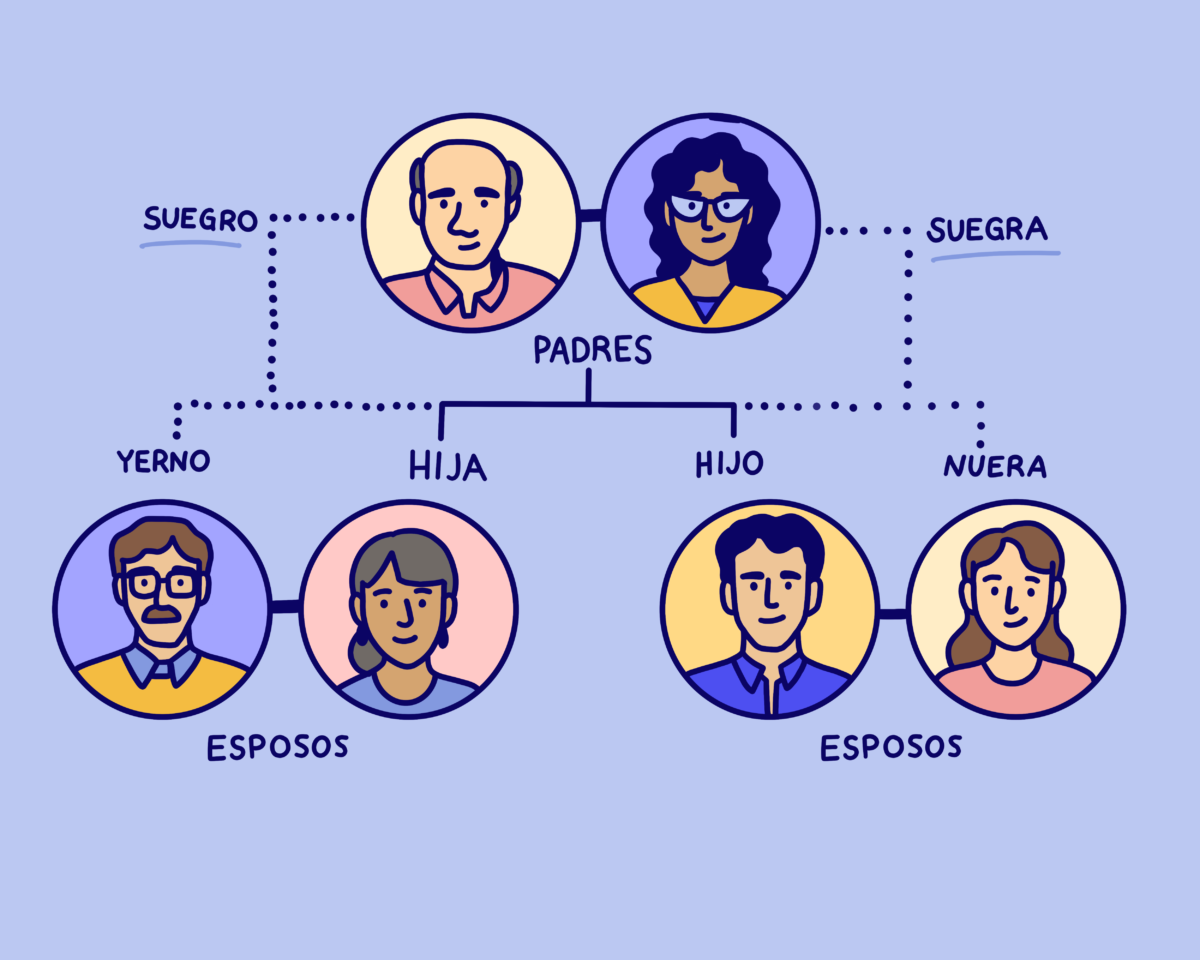
    El español, lleno de curiosidades y herencias lingüísticas, también guarda secretos en palabras que usamos a diario. Hoy nos detenemos en el peculiar caso de yerno y nuera, los términos que usamos para referirnos al esposo o esposa de nuestros hijos. Pero ¿por qué no decimos nuero y yerna?

    El origen etimológico de yerno y nuera

    La palabra yerno proviene del latín gener, que se relaciona con conceptos de genealogía y linaje. En latín clásico, gener designaba específicamente al esposo de la hija, reflejando la importancia de los roles familiares en la sociedad romana. El término evolucionó fonéticamente al gignere en latín vulgar y finalmente al yerno en español.

    Por otro lado, nuera proviene del latín nurus, que significaba “esposa del hijo”. Esta palabra compartía una raíz con términos relacionados con el cuidado o la crianza, un eco de los roles tradicionales asignados a las mujeres en las familias antiguas. Así, ambas palabras tienen raíces latinas y roles bien definidos desde tiempos remotos​.

    ¿Por qué no existe nuero ni yerna? La ausencia de términos como nuero y yerna puede explicarse en gran parte por cómo las lenguas reflejan las estructuras sociales históricas. Las lenguas suelen codificar en sus palabras los roles que tenían mayor relevancia cultural. En las sociedades patriarcales de la antigüedad, las relaciones de parentesco con el esposo de la hija (yerno) y la esposa del hijo (nuera) eran las más importantes para el mantenimiento del linaje y las alianzas familiares.

    Por el contrario, no había tanta necesidad de definir categorías “espejo” como yerna o nuero, porque estas relaciones no tenían el mismo peso cultural o simbólico en esos contextos. El idioma simplemente no desarrolló palabras que no fueran necesarias para su función social.

    En contraste, suegro y suegra existen porque ambas relaciones –con el padre y la madre de la pareja– tenían relevancia en las estructuras familiares. Estas palabras también provienen del latín: socrus (suegra) y socrer (suegro), y refuerzan la simetría en las relaciones de parentesco ascendentes.

    El idioma, al igual que la cultura, se adapta a lo que la sociedad necesita nombrar. Así, mientras seguimos utilizando yerno y nuera, recordamos que nuestras palabras son un testimonio vivo de las tradiciones y estructuras de nuestros antepasados.

    Sigue conociendo más curiosidades del lenguaje y de la lengua castellana, visitando y leyendo los distintos artículos que semana a semana publicamos en el blog de iScribo. Y si buscas mejorar tu escritura en español y corregir alguna variante específica de este idioma, no olvides suscribirte a nuestro maravilloso corrector gramatical. ¡Te esperamos!

  • Why Spanish has two different words: yerno  and nuera? Origin of these words

    Why Spanish has two different words: yerno and nuera? Origin of these words

    Spanish, full of curiosities and linguistic inheritances, also keeps secrets in words we use daily. Today, we focus on the peculiar case of yerno and nuera, the terms we use to refer to the husband or wife of our children. But why don’t we say nuero and yerna?

    The etymological origin of yerno and nuera

    The word yerno comes from the Latin gener, which is related to concepts of genealogy and lineage. In classical Latin, gener specifically designated the daughter’s husband, reflecting the importance of family roles in Roman society. The term evolved phonetically to gignere in Vulgar Latin and yerno in Spanish.

    On the other hand, nuera comes from the Latin nurus, which means “son’s wife.” This word shared a root with terms related to care or upbringing, echoing the traditional roles assigned to women in ancient families. Thus, both words have Latin roots and well-defined roles from ancient times.

    Why is there no such thing as yerna or nuero? The absence of terms like yerna and nuero can largely be explained by how languages ​​reflect historical social structures. Languages ​​often encode the roles with the most remarkable cultural relevance in their words. In ancient patriarchal societies, kinship relationships with the daughter’s husband (yerno, son-in-law) and the son’s wife (nuera, daughter-in-law) were the most important for maintaining lineage and family alliances.

    In contrast, there was not as much need to define “mirror” categories like yerna or nuero because these relationships did not carry the same cultural or symbolic weight in those contexts. Language did not develop words that were not necessary for their social function.

    In contrast, father-in-law and mother-in-law exist because both relationships – with the couple’s father and mother – were relevant in family structures. These words also come from Latin: socrus (suegra, mother-in-law) and socrer ( suegro, father-in-law), and they reinforce symmetry in ascending kinship relationships.

    Language, like culture, adapts to what society needs to name. So, while we continue to use yerno and nuera, we remember that our words are a living testimony to the traditions and structures of our ancestors.

    Keep learning curiosities about the language and the Spanish language, visiting and reading the articles we publish weekly on the iScribo blog. If you want to improve your Spanish writing and correct a specific variant of this language, subscribe to our superb grammar checker. We are waiting for you!
  • España: cuna del castellano y un caleidoscopio lingüístico

    España: cuna del castellano y un caleidoscopio lingüístico

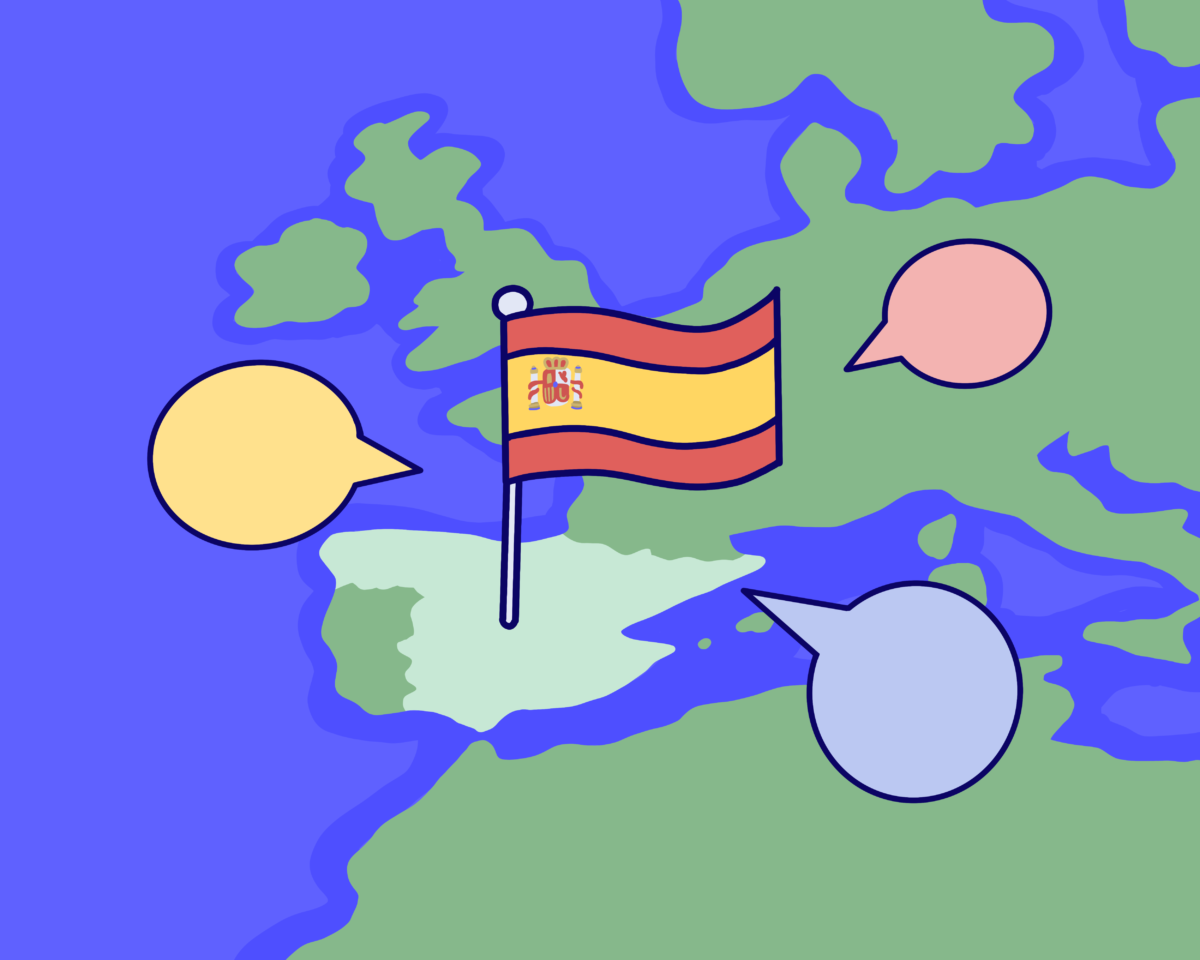
    España, esa gran península del Mediterráneo, no sólo es la cuna del castellano, sino también de un mosaico de lenguas que se entrelazan en su historia y su geografía. Aunque el castellano es hoy una de las lenguas más habladas del mundo, sus raíces, junto con las de otras lenguas ibéricas, están marcadas por conquistas, culturas y evolución.

    ¿Dónde nació el castellano?

    Contrario a lo que muchos podrían imaginar, el castellano no surgió en una gran ciudad o en un contexto majestuoso, sino en un pequeño pueblo de la provincia de Burgos llamado San Millán de la Cogolla. Con apenas unos 14 habitantes hoy en día, este lugar fue testigo de los primeros balbuceos del idioma que conquistaría el mundo​.

    En los monasterios de San Millán y de Valpuesta, los monjes comenzaron a registrar textos en una lengua romance que evolucionaría hasta convertirse en el castellano. Entre los documentos más antiguos se encuentran los Cartularios de Valpuesta, que datan del siglo IX y contienen palabras que nos resultan familiares, aunque envueltas en una estructura lingüística primitiva.

    El recipiente de lenguas ibéricas

    Si bien el castellano se convirtió en la lengua predominante de España y, más tarde, de gran parte de América Latina, no es ni fue la única lengua en la península. Desde tiempos remotos, España ha sido hogar de una rica diversidad lingüística que incluye al catalán, el euskera, el gallego y, por supuesto, las diversas variantes del aragonés y el asturleonés​.

    El catalán

    Hablado en Cataluña, las Islas Baleares y la Comunidad Valenciana (donde su variante recibe el nombre de valenciano), el catalán tiene raíces en el latín vulgar, pero con influencias que lo hacen único. En pleno siglo XXI, sigue siendo una lengua viva y fuerte, con una cultura literaria robusta y hablantes apasionados por su preservación.

    El euskera

    El euskera (o vasco) es el verdadero rebelde del grupo: no está emparentado con ninguna otra lengua conocida y se considera uno de los idiomas más antiguos de Europa. Aunque sus orígenes son un misterio, su resiliencia es innegable, ya que sobrevivió a la romanización y otras influencias lingüísticas que dominaron la península.

    El gallego

    Similar al portugués, el gallego es hablado principalmente en Galicia, donde el idioma resuena con la nostalgia de las vieiras y el mar. Fue una lengua literaria de gran importancia en la Edad Media, y aunque perdió terreno frente al castellano, ha recuperado su vitalidad en las últimas décadas.

    De dialectos a imperios

    El castellano comenzó como una variante más entre las lenguas romances de la península. Su ascenso coincidió con el crecimiento del Reino de Castilla, que extendió su influencia tanto territorial como lingüísticamente. Durante el siglo XV, con la unificación de los reinos de Castilla y Aragón bajo los Reyes Católicos y, más tarde, la conquista de América, el castellano se transformó en la herramienta de comunicación y dominación cultural.

    El primer paso hacia su consolidación como lengua estándar fue la publicación de la primera gramática del castellano, escrita por Antonio de Nebrija en 1492. Quien afirmó que una lengua es el compañero de un imperio, y vaya que el castellano acompañó al imperio español en su expansión global.

    Hoy en día, España sigue siendo un ejemplo de diversidad lingüística. Las lenguas cooficiales, como el catalán, el gallego y el euskera, conviven con el castellano, aunque no sin tensiones políticas y sociales. Cada una de estas lenguas representa una forma de hablar, una identidad y un orgullo regional.

    Por ejemplo, el debate sobre la enseñanza y el uso oficial de las lenguas cooficiales es un tema recurrente en el panorama político español. Mientras algunos defienden la homogeneización lingüística, otros abogan por la protección y promoción activa de estas lenguas minoritarias.

    España: un modelo de pluralidad

    Más allá de las tensiones, la pluralidad lingüística de España es un tesoro que enriquece su cultura. Desde los poemas en gallego de Rosalía de Castro hasta las canciones en euskera que resuenan en el País Vasco, cada lengua aporta una pieza al rompecabezas cultural que define a España.

    En definitiva, España no es sólo la cuna del castellano, sino también un recordatorio viviente de que las lenguas son reflejos de la historia, la resistencia y la creatividad de los pueblos que las hablan. Así que, la próxima vez que pasees por San Millán de la Cogolla o escuches una canción en catalán, recuerda que estás siendo testigo de la riqueza lingüística que hace única a España.

    Si te interesa profundizar en la historia del castellano y las lenguas de España, puedes explorar fuentes como el Instituto Cervantes y estudios históricos especializados.

    Sigue conociendo más curiosidades del lenguaje y de la lengua castellana, visitando y leyendo los distintos artículos que semana a semana publicamos en el blog de iScribo. Y si buscas mejorar tu escritura en español y corregir alguna variante específica de este idioma, no olvides suscribirte a nuestro maravilloso corrector gramatical. ¡Te esperamos!

  • Spain: the cradle of Spanish and a linguistic kaleidoscope

    Spain: the cradle of Spanish and a linguistic kaleidoscope

    Spain, that great peninsula in the Mediterranean, is not only the birthplace of Spanish but also of a mosaic of languages ​​intertwined in its history and geography. Although Castilian is one of the most widely spoken languages ​​in the world today, its roots, along with those of other Iberian languages, are marked by conquests, cultures, and evolution.

    Where was the Spanish born?

    Contrary to what many might imagine, the Spanish did not emerge in a large city or a majestic setting but in a small town in the province of Burgos called San Millán de la Cogolla. With just 14 inhabitants today, this place witnessed the first attempts at the language that would conquer the world.

    In the San Millán and Valpuesta monasteries, monks began recording texts in a Romance language that would evolve into Spanish. Among the oldest documents are the Cartularies of Valpuesta, which date back to the 9th century and contain familiar words, although wrapped in a primitive linguistic structure.

    The jar of Iberian languages

    Although Spanish became the predominant language of Spain and, later, of much of Latin America, it is not and was not the only language on the peninsula. Since ancient times, Spain has been home to a rich linguistic diversity that includes Catalan, Basque, Galician and, of course, the various variants of Aragonese and Astur-Leonese.

    Catalan

    Spoken in Catalonia, the Balearic Islands and the Valencian Community (where its variant is called Valencian), Catalan has roots in Vulgar Latin but with influences that make it unique. In the 21st century, it remains a living and strong language, with a robust literary culture and speakers passionate about its preservation.

    Euskera

    Euskera (or Basque) is the true rebel of the group: it is not related to any other known language and is considered one of the oldest languages ​​in Europe. Although its origins are a mystery, its resilience is undeniable, as it survived Romanization and other linguistic influences that dominated the peninsula.

    Galician

    Galician is like Portuguese. It is spoken primarily in Galicia, where the language resonates with nostalgia for the vieiras and the sea. It was a literary language of great importance in the Middle Ages, and although it lost ground to Spanish, it has regained its vitality in recent decades.

    From dialects to empires

    Spanish began as one more variant among the Romance languages ​​of the peninsula. Its rise coincided with the growth of the Kingdom of Castile, which extended its influence both territorially and linguistically. During the 15th century, with the unification of the kingdoms of Castile and Aragon under the Catholic Monarchs and, later, the conquest of America, Castilian became a tool of communication and cultural domination.

    The first step towards its consolidation as a standard language was the publication of Antonio de Nebrija’s first grammar of Spanish in 1492. He stated that a language is the companion of an empire, and Spanish indeed accompanied the Spanish empire in its global expansion.

    Today, Spain remains an example of linguistic diversity. Co-official languages ​​such as Catalan, Galician and Basque coexist with Spanish, although not without political and social tensions. Each language ​​represents a way of speaking, an identity and a regional pride.

    For example, the debate on the teaching and official use of co-official languages ​​is a recurring theme in the Spanish political landscape. While some defend linguistic homogenisation, others advocate the protection and active promotion of these minority languages.

    Spain: a model of plurality

    Beyond the tensions, Spain’s linguistic plurality is a treasure that enriches its culture. From Rosalía de Castro’s Galician poems to the Basque songs that resonate in the Basque Country, each language contributes to the cultural puzzle that defines Spain.

    Ultimately, Spain is not only the birthplace of Spanish but also a living reminder that languages ​​reflect the history, resilience and creativity of the people who speak them. So, the next time you walk through San Millán de la Cogolla or listen to a song in Catalan, remember that you are witnessing the linguistic richness that makes Spain unique.

    If you are interested in delving deeper into the history of Spanish and the languages ​​of Spain, you can explore sources such as the Instituto Cervantes and specialised historical studies.

    Keep learning curiosities about the language and the Spanish language, visiting and reading the articles we publish weekly on the iScribo blog. If you want to improve your Spanish writing and correct a specific variant of this language, subscribe to our superb grammar checker. We are waiting for you!
  • Dilo aquí y no allá: las múltiples vidas de una palabra en el español del mundo

    Dilo aquí y no allá: las múltiples vidas de una palabra en el español del mundo

    El idioma español, con más de 500 millones de hablantes en todo el planeta, es un caleidoscopio lingüístico donde una misma palabra puede transformarse en mil significados dependiendo del lugar. Lo que en un país puede ser un término cotidiano e inofensivo, en otro puede desatar risas, confusión o hasta una situación embarazosa. Descubramos cómo el español navega estos ríos de diversidad semántica y cultural.

    El arte del malentendido

    Imagina que un argentino comenta que necesita una “pila” para su control remoto, y un mexicano responde que él tiene muchas “pilas”. Aunque ambos mencionan la misma palabra, están hablando de cosas distintas: en Argentina, “pila” es una batería, mientras que en México significa energía o entusiasmo. Esta dualidad ilustra el fenómeno de polisemia contextual que caracteriza a nuestro idioma.

    Otro ejemplo icónico es la palabra “guagua”. En Cuba, República Dominicana, Puerto Rico y Canarias significa un autobús urbano, pero en Chile, el Norte de Argentina y el sur de Perú, es un término cariñoso para referirse a un bebé. Mientras tanto, en Colombia o Ecuador, “guagua” se refiere exclusivamente a un niño pequeño. Así, una palabra tan pequeña puede transportar significados completamente distintos dependiendo del contexto cultural.

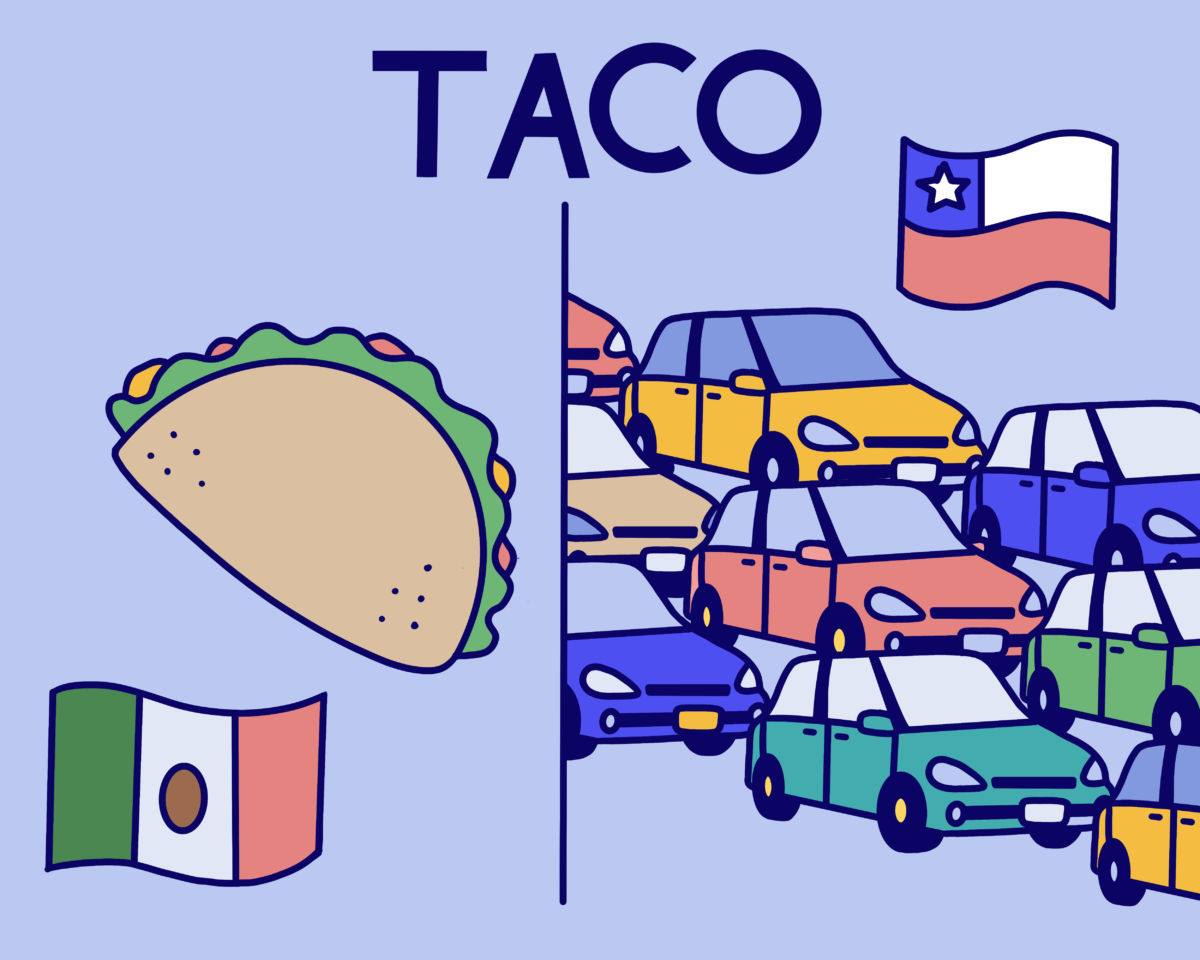
    Si hablamos de “taco” todos en México pensarán de inmediato en comida, en cambio en Chile alguien puede decir “llegaré atrasado porque estoy en un taco” y todos saben que están hablando de una congestión vehicular.

    Cuando la comida habla

    La gastronomía también es terreno fértil para los malentendidos. En México, una “torta” es un sándwich; sin embargo, en España, es un tipo de pastel o tarta. ¿Y qué pasa con el “maní”? Este delicioso fruto seco es conocido como “cacahuate” en México, “cacahuete” en España y simplemente “maní” en Argentina, Chile y otros países de Sudamérica. Viajar puede convertirse en una aventura lingüística cuando la carta del restaurante parece un acertijo cultural.

    Las trampas del doble sentido

    Algunas palabras adquieren connotaciones humorísticas o inesperadas en ciertos países. Por ejemplo, “chucho” puede referirse a un perro en El Salvador, pero en otros lugares como Guatemala significa “frío” y en España, puede ser un apodo para alguien llamado Jesús. De igual modo, “concha” es una palabra inocente para referirse a un tipo de pan en México, pero en Chile, Argentina y otros países del Cono Sur, puede generar risas incómodas debido a su significado vulgar. Lo mismo pasa con “polla”, en Chile no es más que un juego tradicional de lotería, pero en España esta palabra hace referencia al órgano masculino para copular. Por ello es tradicional que si un español viaja a Chile se tome una foto en el edificio que indica con grandes letras “Polla chilena de beneficencia”. 😆

    El español como espejo cultural

    Estas variaciones no son errores ni obstáculos, sino reflejos de la riqueza cultural y social de las comunidades que hablan español. Cada país ha tejido en el idioma su historia, sus tradiciones y su forma de ver el mundo. Por ejemplo, el uso de “coger” en España es completamente cotidiano y significa “tomar” o “agarrar”, pero en México y otros países, puede tener connotaciones sexuales.

    El viajero del lenguaje

    Para quienes recorren el mundo hispanohablante, la clave está en la adaptación y la curiosidad. Conocer las variantes locales puede no sólo evitar malentendidos, sino también abrir puertas a nuevas amistades y experiencias. Aceptar las diferencias lingüísticas con humor y disposición es parte de la magia de ser hablante de español.

    En resumen, el español es un idioma tan rico y variado como los paisajes donde se habla. Cada palabra es una invitación a descubrir un significado, una historia y una cultura detrás de ella. Así que, la próxima vez que uses una palabra, recuerda: dilo aquí, pero tal vez no allá.

    Sigue conociendo más curiosidades del lenguaje y de la lengua castellana, visitando y leyendo los distintos artículos que semana a semana publicamos en el blog de iScribo. Y si buscas mejorar tu escritura en español y corregir alguna variante específica de este idioma, no olvides suscribirte a nuestro maravilloso corrector gramatical. ¡Te esperamos!

  • Say it here, not there: the multiple lives of a word in the Spanish of the world

    Say it here, not there: the multiple lives of a word in the Spanish of the world

    With more than 500 million speakers worldwide, Spanish is a linguistic kaleidoscope where the same word can be transformed into a thousand meanings depending on the place. What in one country may be an everyday and harmless term, in another, may trigger laughter, confusion, or even an embarrassing situation. Let’s discover how the Spanish navigates these rivers of semantic and cultural diversity.

    The art of misunderstanding

    Imagine an Argentinean saying he needs a “pila” for his remote control and a Mexican saying he has many “pilas.” Although both people mention the same word, they talk about different things: in Argentina, “pila” is a battery, while in Mexico, it means energy or enthusiasm. This duality illustrates the phenomenon of contextual polysemy that characterises our language.

    Another iconic example is the word “guagua.” In Cuba, the Dominican Republic, Puerto Rico, and the Canary Islands, it means a city bus, but in Chile, northern Argentina, and southern Peru, it is a term of endearment for a baby. Meanwhile, in Colombia or Ecuador, “guagua” refers exclusively to a small child. Thus, a small word can have different meanings depending on the cultural context.

    If we talk about “tacos” everyone in Mexico will immediately think of food. In contrast, in Chile, someone can say, “I’ll be late because I’m stuck in a traffic jam”, and everyone knows they are talking about traffic congestion.

    When food speaks

    Gastronomy is also fertile ground for misunderstandings. In Mexico, a “torta” is a sandwich; however, it is a type of cake or pie in Spain. And what about “maní”? This delicious nut is known as “cacahuate” in Mexico, “cacahuete” in Spain, and simply “maní” in Argentina, Chile, and other South American countries. Travelling can become a linguistic adventure when the restaurant menu seems like a cultural riddle.

    The traps of double meanings

    Some words acquire humorous or unexpected connotations in certain countries. For example, “chucho” can refer to a dog in El Salvador, but in other places like Guatemala, it means “cold”, and in Spain, it can be a nickname for someone called Jesus. Similarly, “concha” is an innocent word that refers to a type of bread in Mexico. Still, in Chile, Argentina, and other countries in the Southern Cone, it can generate uncomfortable laughter due to its vulgar meaning. The same happens with “polla” (cock); in Chile, it is nothing more than a traditional lottery game, but in Spain, this word refers to the male organ for copulation. For this reason, it is traditional that if a Spaniard travels to Chile, he takes a photo in the building that says in large letters, “Chilean charity cock”. 😮😆

    Spanish as a Cultural Mirror

    These variations are not errors or obstacles but reflections of Spanish-speaking communities’ cultural and social richness. Each country has woven its history, traditions, and way of seeing the world into its language. For example, the use of “coger” in Spain is widespread and means “to take” or “to grab,” but in Mexico and other countries, it can have sexual connotations.

    The Language Traveler

    The key for those who travel the Spanish-speaking world is adaptation and curiosity. Knowing local variants can avoid misunderstandings and open doors to new friendships and experiences. Accepting linguistic differences with humour and willingness is part of the magic of being a Spanish speaker.

    In short, Spanish is a language as rich and varied as the landscapes where it is spoken. Each word is an invitation to discover a meaning, a history and a culture behind it. So, the next time you use a word, remember: say it here, but maybe not there.

    Keep learning curiosities about the language and the Spanish language, visiting and reading the articles we publish weekly on the iScribo blog. If you want to improve your Spanish writing and correct a specific variant of this language, subscribe to our superb grammar checker. We are waiting for you!

  • Pronunciación de la v y la b en español, ¿cuál es la correcta?

    Pronunciación de la v y la b en español, ¿cuál es la correcta?

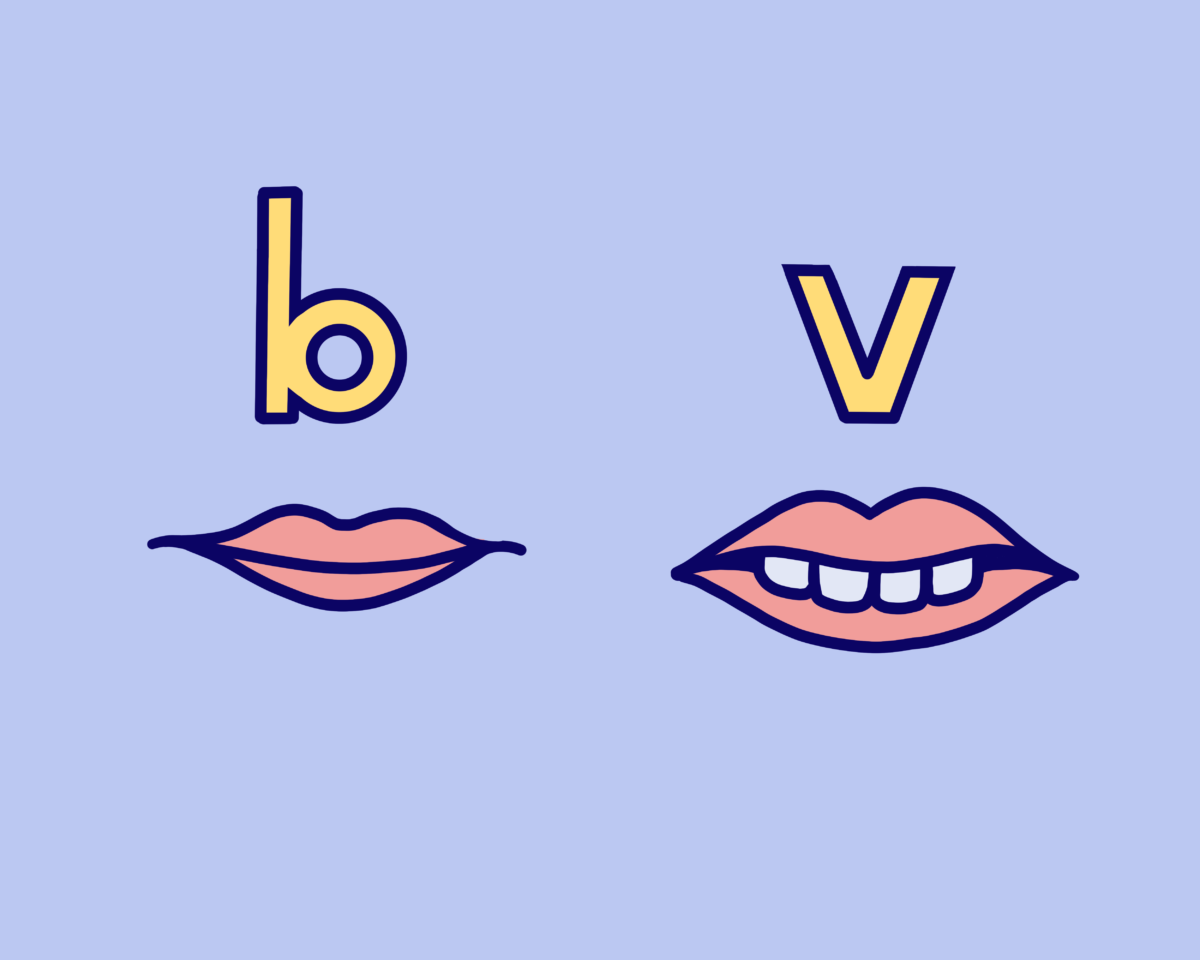
    En español, a menudo surge la pregunta de si existe o no una diferencia en la pronunciación de las letras v y b, especialmente debido a la influencia de otros idiomas, como el inglés, donde esta diferencia es clara. Sin embargo, en el español moderno, tanto en España como en Latinoamérica, no existe una distinción fonética entre ambas letras. Ambas se pronuncian de manera similar y se conocen como bilabiales sonoras, produciendo un sonido que en fonética se representa con el símbolo /b/.

    Esta unificación en la pronunciación tiene raíces históricas: en español antiguo sí se distinguían ambos sonidos, pero con el tiempo, las diferencias se fueron perdiendo. Hoy, en todo el mundo hispanohablante, las letras b y v suelen sonar idénticas, lo que genera la particularidad de que, al hablar, estas letras se distinguen sólo en la escritura. Esta característica hace que en español se emplee a menudo el término “uve” para referirse a la v y diferenciarla así de la b, que se llama “be”.

    Es importante destacar que, aunque esta igualación en la pronunciación es la norma en el español actual, algunos hispanohablantes que están en contacto frecuente con el inglés tienden a marcar la diferencia entre v y b al hablar español, imitando la pronunciación inglesa. Esto se observa en algunas zonas de América Latina, donde los hablantes, sobre todo bilingües, buscan reproducir la diferencia para evitar confusiones en el inglés, idioma en el cual b y v representan sonidos distintos.

    Esta distinción también está presente, ahora de forma espontánea, en hablantes valencianos o mallorquines y de zonas de Cataluña por influencia del catalán, además de ciertos puntos muy específicos de América por el influjo de lenguas amerindias. Todos ellos realizan la articulación labiodental para la pronunciación de la letra v.

    Desde una perspectiva normativa, la Real Academia Española (RAE) afirma que no existe ninguna necesidad de hacer esta distinción en español, ya que no forma parte del sistema fonético del idioma. Así que, para hablar correctamente en español, no es necesario diferenciar estos sonidos. Esta particularidad de nuestro idioma es una muestra de cómo ha evolucionado para simplificar la comunicación sin perder claridad.

    Ahora, desde el punto de vista lingüístico, no hay un “error” en pronunciar b y v de una forma u otra; de hecho, la lingüística lo que hace es registrar las distintas formas de habla. Lo que sí es cierto es que pronunciar la b y la v de la misma manera esta es la forma más extendida en el mundo hispanohablante.

    Sigue conociendo más curiosidades del lenguaje y de la lengua castellana, visitando y leyendo los distintos artículos que semana a semana publicamos en el blog de iScribo. Y si buscas mejorar tu escritura en español y corregir alguna variante específica de este idioma, no olvides suscribirte a nuestro maravilloso corrector gramatical. ¡Te esperamos!

  • Pronunciation of v and b in Spanish: which one is correct?

    Pronunciation of v and b in Spanish: which one is correct?

    In Spanish, the question often arises as to whether or not there is a difference in the pronunciation of the letters v and b, mainly due to the influence of other languages, such as English, where this difference is clear. However, there is no phonetic distinction between the letters in modern Spanish, Spain, and Latin America. Both are pronounced similarly and are known as voiced bilabials, producing a sound represented in phonetics by the symbol /b/.

    This unification in pronunciation has historical roots: in ancient Spanish, both sounds were distinguishable, but over time, the differences were lost. Today, throughout the Spanish-speaking world, the letters b and v often sound identical, which creates the peculiarity that, when speaking, these letters are distinguished only in writing. This characteristic means that in Spanish, the term “uve” is often used to refer to v and thus differentiate it from b, called “be”.

    It is important to note that, although this equalisation in pronunciation is the norm in modern Spanish, some Spanish speakers in frequent contact with English tend to mark the difference between v and b when speaking Spanish, imitating the English pronunciation. This is observed in some areas of Latin America, where speakers, especially bilinguals, try to reproduce the difference to avoid confusion in English, a language in which b and v represent different sounds.

    This distinction is also present, now spontaneously, in Valencian or Majorcan speakers and in areas of Catalonia due to the influence of Catalan. Additionally, it is found in certain very specific parts of America, where the influence of Amerindian languages has led to the use of labiodental articulation to pronounce the letter v.

    From a normative perspective, the Royal Spanish Academy (RAE) states that there is no need to make this distinction in Spanish since it is not part of the phonetic system of the language. So, to speak correctly in Spanish, it is optional to differentiate these sounds. This particularity of our language is an example of how it has evolved to simplify communication without losing clarity.

    Now, from a linguistic point of view, there is no “mistake” in pronouncing b and v in one way or another; in fact, linguistics records the different ways of speaking. What is certain is that pronouncing b and v in the same way is the most widespread way in the Spanish-speaking world.

    Keep learning curiosities about the language and the Spanish language, visiting and reading the articles we publish weekly on the iScribo blog. If you want to improve your Spanish writing and correct a specific variant of this language, subscribe to our superb grammar checker. We are waiting for you!

Want more Spanish tips?

Get them direct to your inbox

Sign up for tips and tricks to perfect your Spanish writing skills. You’ll be writing like a native in no time.

Free Trial until 30 September 2021: Our subscription programme does not start until 1 October 2021. So, as long as you provide us with a feedback you can use our site for free until noon 30 September 2021 (GMT)