Author: Maria del Mar Pérez

  • The Importance of the Olive Tree History in Spain

    The Importance of the Olive Tree History in Spain

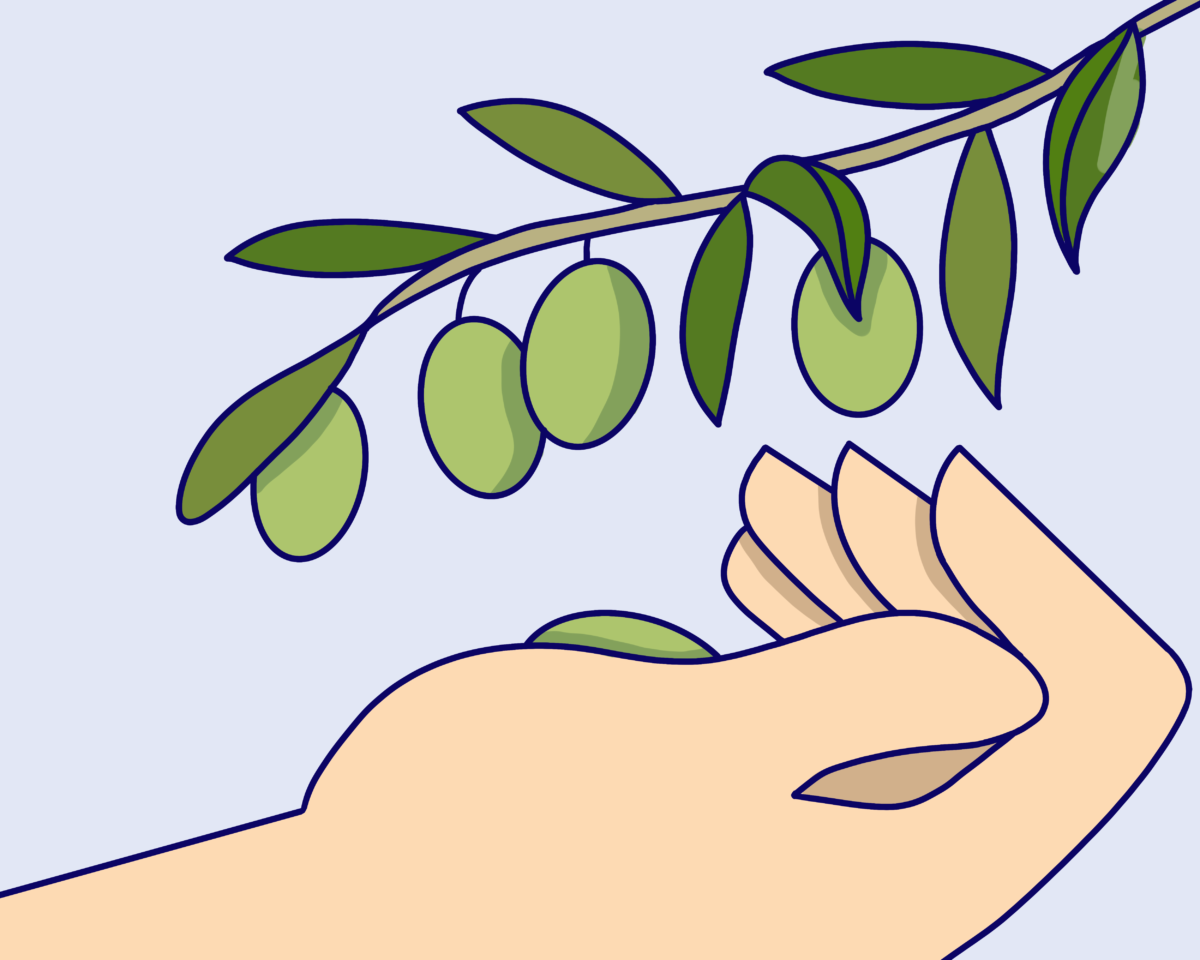
    Tell a Spanish that you are going to dress their salad with something other than authentic Spanish olive oil. The situation will probably end in a fierce argument. For the Unesco-endorsed World Olive Day on 26 November, iScribo teaches you some interesting facts about this tree, as well as the importance of olive oil in Spanish culture.

    The cultivation of the olive tree has been rooted throughout the Mediterranean for centuries. The climate and terrain of the Mediterranean geography have made it grow in a healthy and fruitful way. There is evidence of the existence of olive tree varieties as far back as 12,000 BC. Its origin is marked by Greek mythology through a Greek legend.

    Do you know where the word olivo comes from, and do you know how to form words from its root? Discover some linguistic and grammatical facts in this article and impress your friends with this symbol that Spaniards use and consume with pride.

    Jaen, Land of Olive Oil

    Spain is the country with the most olive trees in the world. It is normal that in Spain they feel immense pride when talking about their tree, even more so in the south.

    Jaen, a province located in Andalusia, is home to the largest number of olive trees in the country. In total, this province yields 586,000 hectares to more than 70 million olive trees, which represents 78% of the province’s agricultural area and 20% of the world’s olive oil production. Such is the euphoria that it is marketed under the name AOVE, extra virgin olive oil.

    As if this were not enough, Jaen offers olive oil tastings in almost all its municipalities. Come along, you won’t regret it!

    Olive oil is the basic ingredient of the well-known Mediterranean diet, with numerous properties that benefit your health. What’s more, its flavour is unmistakable and adds a taste to food that will make you smile.

    Etymology and Curiosities

    To understand the history of a word we must look at its etymology. As in all Romance languages, the influence of Latin is more than frequent in Spanish vocabulary. We also have Arabic influence, so many other words derive from this language.

    Our star product could not have a longer history, as its etymology comes from both Latin and Arabic, depending on where we are.

    If we go to the north of the Iberian Peninsula, we are talking about “olivo” and “oliva”, which come from the Latin olea, which in turn comes from the Greek eala.

    On the other hand, the Arabic word for the tree is zaitum, which comes from zait, a common root in Semitic languages. In the southern part of the Iberian Peninsula, of course, the word aceituna is used because of the Arabic influence of the word zaytunah.

    Lexical Family of Aceite and Olivo

    The lexical family of a word is formed by adding prefixes or suffixes to its root or lexeme. From aceite, we find words such as:

    Aceitoso: something that has a lot of oil in it.

    Aceitera: small container with oil, for example for salads.

    Ajoaceite: a sauce based on garlic and olive oil, which in turn is synonymous with alioli.

    As for the olivo, we have derived words such as:

    Olivete: small olive tree.

    Olivillo: the same as the previous one, it is a diminutive of olive tree.

    Olivar: field with many olive trees.

    Olivera: synonym of olive.

    There are also proper names derived from the olive tree:

    Oliver: is a masculine name meaning “blessed by the olive tree”.

    Olivia: is a feminine name that literally means “olive”, as a symbol of peace. Pretty, isn’t it?

    Immerse Yourself in the Culture

    Olive oil has been known since ancient times as “liquid gold” because of the benefits of the olive oil and its immense and incomparable attributes. Also, depending on the type of olive, the colour will be more yellowish, almost golden, another reason for the name.

    At iScribo we not only take care of the language, but we also make sure that you learn about the culture that revolves around all Spanish-speaking countries so that you increase your love for this language, just like us.

    With our spelling and grammar checker, you can practice the use of synonyms and lexical families in real-time. Remember that knowledge is a gift and writing well provides you with countless employment benefits.

  • ¿Pueden las Máquinas Reemplazar al Ser Humano en el Trabajo?

    ¿Pueden las Máquinas Reemplazar al Ser Humano en el Trabajo?

    Si bien es cierto que cada vez más máquinas y robots sustituyen al ser humano en los puestos de trabajo, también tenemos que considerar que los avances en la tecnología mejoran las condiciones y la calidad a la hora de desempeñarlos.

    Cada vez escuchamos más que las máquinas han sustituido al hombre en su lugar de trabajo y que puestos que antes eran para las personas, ahora son para las máquinas. No obstante, son pocas las personas que ven que la creación de puestos nuevos derivados de la inteligencia artificial va en aumento y suponen un número mayor que los puestos que se pierden.

    iScribo te explica cómo nos influye la inteligencia artificial en nuestro día a día y cómo podemos adaptarnos para sacar el máximo provecho de ella.

    Puestos de trabajo emergentes

    Gracias al desarrollo de la inteligencia artificial, en las últimas décadas se han empezado a hacer populares profesiones que antes no existían o no eran conocidas por su papel escaso en la sociedad. Estos puestos son los derivados de la ingeniería robótica, desarrollo de software informático, como el corrector ortográfico y gramatical de iScribo, el análisis de datos o los especialistas en transformación digital.

    Mucha gente argumentará que a todos no nos interesa este campo o que no «servimos» pero ello, pero piénsalo por un instante: los laboratorios farmacéuticos existen y no todas las personas que trabajan en ellos son biólogas, microbiólogas o médicas. Existen departamentos imprescindibles para el desarrollo de su actividad como administración, finanzas, ventas, logística o personal de recepción, de limpieza y otros.

    ¿Máquinas o personas?

    Las máquinas nos ayudan a automatizar procesos y minimizar el margen de error, así como a aumentar la organización, pero esto no significa que puedan sustituir la mano de obra humana.

    Tomemos como ejemplo las cajas automáticas de los supermercados. Seguro que las has usado alguna vez, ¿verdad? Seguro que también en algún momento de tu vida prometiste que jamás las usarías. ¡No pasa nada! Todos nos adaptamos a los tiempos, no te sientas culpable. Pues bien, estas cajas sustituyen a los cajeros de carne y hueso pero no por completo. Siempre hay una o dos personas para asistir cuando la máquina necesita ayuda, como para la venta de alcohol en la comprobación de la edad del cliente, o para subsanar errores en nombres de artículos o si el cliente se equivoca y pasa dos veces el mismo artículo por el lector del código de barras.

    Al usar la caja automática, aumentamos el ritmo de ventas porque generamos menos cola, esto aumenta la cantidad de personal que se dedica a vender en el interior o a reponer en las estanterías, por poner un ejemplo.

    Las máquinas nos ayudan a gestionar los procesos pero el ser humano da su conocimiento para que estos procesos se creen. A su vez, la persona es la que toma las decisiones que garantizan el funcionamiento de las organizaciones.

    Los costes de la robótica

    Otro motivo para que no cunda el pánico es pensar en los costes que generan las máquinas. Muchas actividades que desempeñan las máquinas inteligentes no son rentables para las empresas. Un ejemplo es la cantidad de energía que necesitan algunas máquinas para trabajar y la escasez de recursos a la que nos enfrentamos hoy en día.

    El coste del material tecnológico tampoco es que sea barato. Además, en la mayoría de las ocasiones, el espacio que se necesita para las máquinas es infinitamente mayor que el que se necesita para ubicar a las personas, por lo que los problemas de logística siguen siendo un reto para la robótica.

    Es más, para que un robot pueda sustituir al ser humano tendría que saber de muchas cosas a la vez y no solo dedicarse a una. ¿Has visto alguna vez a la famosa caja automática del supermercado conducir una moto? Espero que si la respuesta es que sí, ¡tengas la forma de comprobarlo!

    La colaboración es la clave

    Lo ideal para contribuir con el progreso y mejorar la calidad de vida en el trabajo es combinar la fuerza humana con la inteligencia artificial. Solo así conseguiremos sacar el máximo provecho de las tareas a las que nos enfrentemos.

    iScribo es un corrector ortográfico y gramatical que funciona gracias a un motor dirigido por la inteligencia artificial y a un equipo de lingüistas, informáticos e ingenieros que le enseñan. Sin la enseñanza de las reglas gramaticales por parte del equipo de lingüistas ni las reglas y patrones de aprendizaje de nuestros departamentos de informática e ingeniería, iScribo no sería ni preciso ni rápido. ¿Te imaginas enviar un documento y que la corrección te llegara en un par de días? Prueba nuestra herramienta y descubre la magia de combinar el talento humano con la inteligencia artificial.

  • Can Humans be Replaced by Machines at Workplace?

    Can Humans be Replaced by Machines at Workplace?

    While it is true that more and more machines and robots are replacing humans in the workplace, we also must consider that advances in technology are improving the conditions and quality of work.

    We hear more and more that machines have replaced humans in the workplace and that jobs that were once for people are now for machines. However, few people see that the creation of new jobs resulting from artificial intelligence is increasing and outweighs the number of jobs being lost.

    Even if you are still wary about machines and artificial intelligence, today we are going to try to show you some of the benefits they have for you.

    iScribo explains how artificial intelligence influences our daily lives and how we can adapt to make the most of it.

    Emerging Jobs

    Thanks to the development of artificial intelligence, professions that previously did not exist or were not known for their limited role in society have started to become popular in recent decades. These include jobs in robotics engineering, computer software development, such as iScribo’s orthographic and grammar checker, data analysis, and digital transformation specialists.

    Many people will argue that we are not all interested in this field or that we are not “good for it” but think about it for a moment – pharmaceutical laboratories exist and not all the people who work in them are biologists, microbiologists or doctors. There are departments that are essential for the development of their activity, such as administration, finance, sales, logistics, reception and cleaning staff and others.

    Machines or People?

    Machines help us to automate processes and minimise the margin of error, as well as increase organisation, but this does not mean that they can replace human labour.

    Take supermarket checkouts as an example. I’m sure you’ve used them, haven’t you? I’m sure at some point in your life you vowed never to use them. That’s OK! We all adapt to the times, don’t feel guilty. Well, these cash registers are replacing the real cashiers, but not completely. There is always one or two people to assist when the machine needs help, such as for alcohol sales to check the customer’s age, or to fix mistakes in item names or if the customer makes a mistake and swipes the same item twice through the barcode reader.

    By using the automated checkout, we increase the rate of sales because we generate less queuing, which increases the number of staff working to sell inside or replenish the shelves, for example.

    Machines help us to manage processes, but humans provide the knowledge to create these processes. In turn, it is people who make the decisions that ensure that organisations function.

    The Costs of Robotics

    Another reason to not panic is to think about the costs generated by machines. Many activities performed by intelligent machines are not profitable for companies. One example is the amount of energy some machines need to work and the scarcity of resources we face today.

    The cost of technological equipment is not cheap either. Moreover, in most cases, the space needed for machines is infinitely larger than the space needed to locate people, so logistical problems remain a challenge for robotics.

    Besides, for a robot to replace a human being, it would have to be able to do many things at once, not just one. Have you ever seen the famous automatic supermarket checkout driving a motorbike? I hope that if the answer is yes, you have a way to prove it!

    Collaboration is the Key

    The ideal way to contribute to the progress and improve the quality of life at work is to combine human power with artificial intelligence. This is the only way to get the most out of the tasks at hand.

    iScribo is a spelling and grammar checker that works thanks to an engine driven by artificial intelligence and a team of linguists, computer scientists and engineers who teach it. Without the teaching of grammatical rules by the team of linguists and the rules and learning patterns of our IT and engineering departments, iScribo would be neither accurate nor fast. Can you imagine sending a document and having it corrected in a couple of days?

    Try our tool and discover the magic of combining human talent with artificial intelligence.

  • 20 Sufijos en Español que Usan los Hispanohablantes

    20 Sufijos en Español que Usan los Hispanohablantes

    Los sufijos en español son elementos gramaticales que se añaden al final de la raíz léxica de una palabra para formar una derivada. Gracias a los sufijos podemos crear familias de palabras, por ejemplo, pasar de un adjetivo en un sustantivo (feliz – felicidad), de un verbo a un sustantivo (crear – creación).

    Los sufijos también nos ayudan a expresar sentimientos y emociones de todo tipo, por ejemplo: ¡Qué bonico!

    Proceden normalmente del latín y del griego.

    Hay diferentes tipos de sufijos en español, tantos como ciudades, ya que su uso tiene una marcada tendencia geográfica. Aprende hoy los tipos de sufijos apreciativos con iScribo.

    Sufijos aumentativos en español

    Forman parte de los sufijos apreciativos y se usan para indicar mayor tamaño:

    1. -ón/a: cabezona, moratón

    2. -ote/a: gordote, altota

    3. -azo/a: ojazos, montonazo, tenaza

    4. -arrón/a: nubarrón, mozarrona

    5. -ullón/a: grandullón, grandullona

    Sufijos diminutivos en español

    Indican un tamaño menor o bien menos afecto:

    6. -ajo: pequeñajo, boscajo

    7.  -ecito/a: pececito, florecita

    8. -illo/a: tonelillo, mariposilla

    9. -ico/a: bonico, casica

    10. -zuelo/a: cazuela, pozuelo

    Sufijos despectivos en español

    Añaden connotaciones negativas o de desprecio:

    11. -acho: poblacho, hilacho

    12. -ato/a: niñata, cegato

    13. ucho/a: delgaducho, casucha

    14. uzo/a: gentuza, merluzo

    15. -aco/a: pajarraco, berraca

    Otros tipos de sufijos en español

    Tenemos los sufijos flexivos, que nos indican los accidentes gramaticales:

    16. -o/a: maestro, maestra (indica el género)

    17. -ndo: cantar y cantando, coser y cosiendo (indica modo gerundio desde la raíz del verbo)

    También están los sufijos derivativos, que son los que podemos utilizar para formar las familias de palabras:

    18. -ísimo/a: rápido y rapidísimo, contenta y contentísima (adjetivos que proceden de otros adjetivos)

    19. -ente: dormir y durmiente, vivir y viviente (adjetivos que proceden de verbos)

    20. -ría: tonto y tontería (sustantivo que procede de adjetivo)

    Busca palabras y ¡ACCIÓN!

    Los sufijos siguen las normas de la coherencia. Ten en cuenta que una persona de Extremadura te dirá ¡qué pequeñino! y una de Andalucía te dirá ¡qué pequeñito!

    Ambas personas te están expresando lo mismo pero con los sufijos más frecuentes de su tierra. Imagina si incluimos al resto de países hispanohablantes.

    No te desanimes con la formación de sufijos, sí, sabemos que hay un montón, pero también se trata de la parte gramatical más flexible del español. Recuerda que en la diversidad está la riqueza. Puedes practicar los sufijos con el corrector ortográfico y gramatical de iScribo para aprender nuevas posibilidades y corregir las que estés utilizando de forma incorrecta. Compruébalo con nuestra herramienta basada en la inteligencia artificial.

  • 20 Spanish Suffixes To Sound Like a True Native Speaker

    20 Spanish Suffixes To Sound Like a True Native Speaker

    What are suffixes in Spanish? You might be wondering… Well, they are grammatical elements that are added to the end of the lexical root of a word to form a derivative. Thanks to suffixes we can create word families, for example, from an adjective to a noun (felizfelicidad), from a verb to a noun (crearcreación).

    Suffixes also help us to express feelings and emotions of all kinds, for example: ¡Qué bonico!

    They usually come from Latin and Greek.

    There are different types of suffixes in Spanish, as many as there are cities, as their use has a marked geographical tendency. Learn today the types of appreciative suffixes with iScribo.

    Augmentative Suffixes in Spanish

    They are part of the appreciative suffixes and are used to indicate greater size:

    1. -ón/a: cabezona, moratón (big head, big bruise)

    2. -ote/a: gordote, altota (very fat, very tall)

    3. -azo/a: ojazos, montonazo, tenaza (big eyes, many things, big tongs)

    4. -arrón/a: nubarrón, mozarrona (storm cloud, big woman -colloquial-)

    5. -ullón/a: grandullón, grandullona (big man, big woman)

    Diminutive Suffixes in Spanish

    They indicate a smaller size or less affection:

    6. -ajo: pequeñajo, boscajo (little one, grove)

    7.  -ecito/a: pececito, florecita (little fish, little flower)

    8. -illo/a: tonelillo, mariposilla (little cask, little butterfly)

    9. -ico/a: bonico, casica (handsome, cosy house)

    10. -zuelo/a: cazuela, pozuelo (casserole, bowl)

    Derogatory Suffixes in Spanish

    They add negative or contemptuous connotations:

    11. -acho: poblacho, hilacho (ugly village, loose thread)

    12. -ato/a: niñata, cegato (rude girl, sightless)

    13. ucho/a: delgaducho, casucha (scrag, unwelcoming house)

    14. uzo/a: gentuza, merluzo (bad people, silly person)

    15. -aco/a: pajarraco, berraca (big ugly bird, upset person)

    Other Types of Suffixes in Spanish

    We have the inflectional suffixes, which indicate grammatical inflections:

    16. -o/a: maestro, maestra (indicates gender – ‘teacher’)

    17. -ndo: cantar and cantando, coser and cosiendo (indicates gerund mood from the infinitive form – ‘sing’ and ‘singing’, ‘sew’ and ‘sewing’)

    There are also derivational suffixes, which we can use to form word families:

    18. -ísimo/a: rápido and rapidísimo, contenta and contentísima (adjectives that come from other adjectives – ‘fast’ and ‘very fast’, ‘happy’ and ‘very happy’)

    19. -ente: dormir and durmiente, vivir and viviente (adjectives that come from verbs – ‘sleep’ and ‘sleepy’, ‘live’ and ‘living’)

    20. -ría: tonto and tontería (nouns that come from adjectives – ‘silly’ and ‘nonsense’)

    Search for Words and ACTION!

    Suffixes follow the rules of coherence. Bear in mind that a person from Extremadura will say ¡qué pequeñino! (how little!) and a person from Andalusia will say ¡qué pequeñito!

    Both people are expressing the same thing but with the most frequent suffixes of their land. Imagine if we include the rest of the Spanish-speaking countries.

    Don’t be discouraged by the formation of suffixes, yes, we know there are a lot of them, but they are also the most flexible grammatical part of Spanish. Remember that diversity is richness.

    You can practice the suffixes with iScribo’s orthographic and grammar checker to learn new possibilities and correct the ones you are using incorrectly. Check it out with our artificial intelligence-based tool.

  • La Tradición del Día de los Muertos en México

    La Tradición del Día de los Muertos en México

    El Día de los Muertos en México es una tradición indígena cuyas raíces se remontan a la época indígena prehispánica. Se trata de una fiesta alegre en la que predominan los disfraces caseros e implica el retorno transitorio de las ánimas de los difuntos. Estas vuelven al mundo de los vivos, a casa de sus familiares para nutrirse con los alimentos que se les ofrece en los altares montados con mucho amor en su honor.

    El Día de Muertos, como también se le conoce, se celebra la vida, valga la antítesis. Esta tradición popular engloba varios significados materiales y filosóficos en los que lo principal es reunir a la familia y homenajear a los que ya no están.

    Origen de la fiesta

    La fiesta se celebra los días 1 y 2 de noviembre. El 1 de noviembre es el Día de Todos los Santos para los católicos, entonces se dedica la celebración a los niños, o «muertos chiquitos» y el 2 de noviembre, algunos grupos cristianos celebran el Día de los Fieles Difuntos, que se venera a los adultos.

    El Día de Muertos implica la convivencia entre los católicos y los indígenas. Por una parte, los españoles llevaron el catolicismo a Latinoamérica y por otro, los pueblos indígenas originarios, como los zapotecas y mixtecas, incluyeron el concepto de veneración a los muertos al calendario católico. Esta fecha coincide con el final del cultivo del maíz, el principal de México.

    Los altares para la ofrenda

    Se decoran las tumbas y panteones con flores, a veces incluso se presentan los altares en ese mismo lugar como se hacía en la cultura indígena. Así las ánimas transcienden por el buen camino tras fallecer.

    Las flores de cempasúchil decoran las ofrendas en los altares junto a papel picado, un platillo de la comida que más le gustara al ser querido, dulces de calaveritas de azúcar, pan de muerto y mole. Los altares también incluyen alguna fotografía de los seres queridos a los que se honra. Símbolo de la adaptación de la cultura a los tiempos prehispánicos es la inclusión del incienso para aromatizar la escena.

    También se hace un caminito de flores de cempasúchil con velas para que las ánimas no se pierdan en el intento de llegar a sus familias. La flor de cempasúchil nace en otoño y sus pétalos naranjas y amarillos marcan la senda que deben recorrer los muertos. Esta flor guarda el calor del sol y el aroma que desprende llama a las almas.

    Los altares suelen tener varios niveles. Los de dos niveles suelen recrear la tierra y el cielo y los de tres niveles incluyen el cielo, la tierra y el purgatorio. También existe la versión de siete niveles que representan los siete pasos para entrar en la otra vida, o los siete pecados capitales. Aquí tenemos una muestra más de la convivencia entre la cultura indígena y la católica.

    Cada ofrenda incluye elementos que corresponden con los cuatro elementos: tierra, agua, aire y fuego.

    Influencia en todo el mundo

    El maquillaje y los disfraces caseros de la fiesta han traspasado fronteras y se utilizan en celebraciones de todo el mundo. En Estados Unidos, la pintura facial mexicana es un referente en las fiestas de Halloween.

    La cultura que se deriva del Día de Muertos en México también se ha reflejado en el séptimo arte con películas como Coco de Disney o Spectre, de la franquicia de James Bond.

    Millones de turistas acuden cada año para ver cómo se celebra esta fiesta tan tradicional y particular, ya sea en pequeños pueblos o en Ciudad de México, con su desfile que conmemora el día. Sea como fuere, si vas a visitar México durante estos días, hazlo siempre con el respeto que se merece.

    Día de los Muertos, patrimonio de la Unesco

    Desde el 2008, el Día de los Muertos en México forma parte del patrimonio cultural de la Unesco por la importancia y significado de la fiesta, que expresa tradición contemporánea y viviente a la vez, integra a las culturas, y es comunitaria y representativa. Tampoco te olvides de utilizar el corrector ortográfico y gramatical de iScribo para mejorar el nivel de tus documentos en español. iScribo distingue entre las diferentes variantes de español. Compruébalo con nuestra herramienta basada en la inteligencia artificial.

  • Complete Guide to the Day of the Dead in Mexico

    Complete Guide to the Day of the Dead in Mexico

    The Day of the Dead in Mexico is an indigenous tradition whose roots go back to pre-Hispanic times. It is a joyous festival dominated by homemade costumes and involves the transitory return of the souls of the dead. They return to the world of the living, to the homes of their relatives, to nourish themselves with the food offered to them on the altars lovingly set up in their honour.

    The Day of the Dead is a celebration of life, to use the antithesis. This popular tradition encompasses several material and philosophical meanings in which the main thing is to bring the family together and pay homage to those who are no longer with us.

    Origin of the Festivity

    The festivity is celebrated on 1st and 2nd November. November 1st is All Saints’ Day for Catholics, so the celebration is dedicated to children or muertos chiquitos, and on November 2nd, some Christian groups celebrate All Souls’ Day, which venerates adults.

    The Day of the Dead involves the coexistence of Catholics and indigenous people. On the one hand, the Spanish brought Catholicism to Latin America, and on the other hand, the original indigenous peoples, such as the Zapotecs and Mixtecs, included the concept of veneration of the dead in the Catholic calendar. This date coincides with the end of the cultivation of maize, Mexico’s main crop.

    The Altars for the Offering

    Tombs and cemeteries are decorated with flowers, sometimes even altars are set up in the same place as in the indigenous culture. In this way, the souls are transcended on the right path after death.

    Marigold flowers (called cempasuchil flowers in México) decorate the offerings, ofrendas, on the altars along with papel picado (carved garland), a dish of the food that the loved one liked the most, sugar skull sweets, pan de muerto (Day of the Dead’s bread) and mole. The altars also include a photograph of the loved ones being honoured. Symbolic of the adaptation of the culture to pre-Hispanic times is the inclusion of incense to scent the scene.

    A small path of marigolds with candles is also made so that the souls do not get lost in the attempt to reach their families. Marigolds are born in autumn and their orange and yellow petals mark the path that the dead must follow. This flower holds the warmth of the sun and the scent it gives off calls to the souls.

    Altars usually have several levels. The two-tiered ones usually recreate earth and heaven, and the three-tiered ones include heaven, earth and purgatory. There is also a seven-tiered version that represents the seven steps to enter the afterlife or the seven deadly sins. Here we have another example of the coexistence of indigenous and Catholic cultures.

    Each offering includes elements that correspond to the four elements: earth, water, air and fire. 

    Influence Around the World

    The Day of Dead’s make-up and homemade costumes have crossed borders and are used in celebrations all over the world. In the United States, Mexican make-up is a staple of Halloween parties.

    Mexican culture derived from the Day of Dead has also been reflected in the seventh art with films such as Disney’s Coco and Spectre, from the James Bond franchise.

    Millions of tourists flock every year to see how this traditional and unique holiday is celebrated, whether in small towns or in Mexico City, with its parade commemorating the day. Whatever the case, if you are visiting Mexico during these days, always do so with the respect it deserves.

    Day of the Dead, a UNESCO Heritage Site  

    Since 2008, the Day of the Dead in Mexico has been part of UNESCO’s cultural heritage because of the importance and significance of the festivity, which expresses both contemporary and living traditions, integrates cultures, and is communal and representative. As you can tell, Mexican culture is rich. Don’t forget to use iScribo’s spelling and grammar checker to improve the level of your Spanish documents. iScribo distinguishes between the different variants of Spanish. Check it out with our artificial intelligence-based tool.

  • 9 Expresiones y Dichos Populares en Español

    9 Expresiones y Dichos Populares en Español

    El refranero español cuenta con un sinfín de expresiones en español dignas de las mentes más creativas. Muchas de ellas tienen historias muy curiosas que nacieron en siglos pasados.

    Los dichos populares varían según la región y el país. ¡Qué vamos a decir de la diversidad del español! Todas las variantes que apreciamos son las que hacen de nuestro idioma una lengua tan rica y diversa.

    Descubre diferentes formas de expresar situaciones como un auténtico hablante de España. iScribo te explica cómo se dice de forma surrealista alguna que otra expresión cotidiana en español.

    Expresiones con utensilios del hogar

    1. En casa de herrero, cuchillo de palo: Aparte de España, es un dicho muy popular en Latinoamérica. Significa que algo suele faltar en el lugar donde debería haber por razones obvias. También se utiliza cuando los hijos no siguen la misma vía profesional de sus padres.

    ̶ Tú eres profesor de inglés, seguro que hay algún diccionario por aquí.

    ̶  ¡No tengo ninguno! En casa de herrero, cuchillo de palo.

    2. Irse la olla: Existen variantes como irse la pinza. Su origen se remonta a tiempos de Luis XV de Francia, donde desapareció la olla que contenía la cena de toda la corte. Había sigo una broma de los ayudantes de cocina, pero se decidió que el culpable había sido el cocinero porque estaba loco.

    Se me ha ido la olla y no he cerrado la puerta de casa al salir.

    3. Pagar los platos rotos: cuando sufres injustamente las consecuencias de una acción cometida por una tercera persona. Otra expresión que significa lo mismo es pagar el pato o cargar con el mochuelo. Su origen data de los siglos XVI y XVII cuando la sociedad cristiana cargaba contra el pueblo judío.

    He pagado los platos rotos por tu culpa.

    Expresiones con animales

    4. Dar gato por liebre: engañar o timar a alguien. La expresión se remonta a la Edad Media, cuando debido a la similitud de los dos animales, servían gato como plato principal pero se anunciaba que era liebre en su lugar.

    Creía que este bolso era verdadero pero me han dado gato por liebre.

    5. Ver las orejas al lobo: significa que te has dado cuenta de un peligro de forma inminente. Se desconoce su origen.

    Están despidiendo a mucha gente en mi trabajo y le he visto las orejas al lobo.

    6. Tener memoria de elefante: tener una memoria brillante. Viene de un estudio publicado en el siglo XIX en el que se midió el cerebro de algunos animales. Sorprendió que los elefantes tenían este músculo muy desarrollado y, además, su capacidad de aprendizaje era extraordinaria. La expresión contraria es tener memoria de pez.

    Marcos se acuerda de lo que hizo hace diez años, tiene memoria de elefante. Yo, en cambio, tengo memoria de pez.

    Expresiones con colores

    7. Verlo de color de rosa: significa que alguien es demasiado optimista. Viene del siglo XIX en el que las damas prestaban interés por asuntos de actualidad.

    El examen no es tan fácil, lo ves todo de color de rosa.

    8. Poner verde a alguien: significa que se está criticando a alguien. El origen es incierto, una de las teorías es cuando la comida caduca, se va poniendo verde. No obstante, todos los supuestos orígenes coinciden con la negatividad de la expresión.

    No deberíais poner verde a Carla si ella no está delante, qué mala educación.

    9. Ponerse morado/a: comer en exceso hasta no poder más. También existen las variantes ponerse ciego/a y ponerse las botas. Su origen es puramente médico ya que hay una enfermedad que se llama cianosis que consiste en tener problemas respiratorios tras haber comido mucho y la piel adquiere un tonado morado.

    Me puse morada en la boda de Pepe, qué rica estaba la comida.

    Expresiones para todos los gustos

    Los dichos populares se utilizan a diario. Saberse las expresiones de todos los países hispanohablantes es una tarea complicada puesto que existen una cantidad innumerable de ellos.

    La mejor forma de aprenderlos de forma correcta es utilizarlos, una y otra vez hasta que calen en tu mente. Recuerdas que tienes el corrector ortográfico y gramatical de iScribo a tu disposición para mejorar el nivel de tus documentos en español. Asegura la escritura correcta de todo lo que escribas en español con nuestra herramienta basada en la inteligencia artificial.

  • 9 Expressions and Idioms in Spanish Easy to Learn

    9 Expressions and Idioms in Spanish Easy to Learn

    Spanish language has an endless number of expressions worthy of the most creative minds. Many of these idioms in Spanish have very curious stories that were born in past centuries.

    Popular sayings vary from region to region and from country to country – what can we say about the diversity of Spanish! All the variants we appreciate are what make our language so rich and diverse.

    Discover different ways of expressing situations like a real Spanish speaker. iScribo explains how to say some everyday Spanish expressions in a vivid way.

    Expressions with Household Utensils

    1. En casa de herrero, cuchillo de palo (the shoemaker’s son always goes barefoot): Apart from Spain, this is a very popular saying in Latin America. It means that someone lacks something they should have. It is also used when children do not follow the same career path as their parents.

    — Tú eres profesor de inglés, seguro que hay algún diccionario por aquí.

    — ¡No tengo ninguno! En casa de herrero, cuchillo de palo.

    (You’re an English teacher, I’m sure there’s a dictionary around here somewhere.

    I don’t have one! The shoemaker’s son always goes barefoot.)

    2. Irse la olla (to lose your marbles): There are variants such as irse la pinza. Its origin goes back to the time of Louis XV of France, when the pot containing the entire court’s dinner disappeared. It had been a joke by the kitchen helpers, but it was decided that it was the cooker’s fault because he was mad.

    Se me ha ido la olla y no he cerrado la puerta de casa al salir.

    (I lost my marbles, I didn’t close the door when I left the house.)

    3. Pagar los platos rotos (to pay the price): When you unjustly suffer the consequences of an action committed by a third party. Another expression that means the same thing is pagar el pato or cargar con el mochuelo. Its origin dates back to the 16th and 17th centuries when the Christian society charged against the Jewish people.

    He pagado los platos rotos por tu culpa.

    (I have paid the price for you.)

    Expressions with Animals

    4. Dar gato por liebre (to take for a ride): To deceive or cheat someone. The expression dates back to the Middle Ages, when due to the similarity of the two animals, cat was served as the main course but was advertised as a hare instead.

    Creía que este bolso era verdadero pero me han dado gato por liebre.

    (I thought this bag was original, but I’ve been taken for a ride!)

    5. Ver las orejas al lobo (to see the writing on the wall): Means that you have become aware of imminent danger. Its origin is unknown.

    Están despidiendo a mucha gente en mi trabajo y le he visto las orejas al lobo.

    (A lot of people are being made redundant at my job and I’ve seen the writing on the wall.)

    6. Tener memoria de elefante: (to have an elephant’s memory): To have a brilliant memory. It comes from a study published in the 19th century in which the brains of some animals were measured. It was surprising that elephants had this muscle very well developed and, moreover, their learning capacity was extraordinary. The opposite expression is tener memoria de pez (to have a goldfish memory.)

    Marcos se acuerda de lo que hizo hace diez años, tiene memoria de elefante. Yo, en cambio, tengo memoria de pez.

    (Marcos remembers what he did ten years ago, he has the memory of an elephant. I, on the other hand, have the memory of a goldfish.)

    Expressions with Colours

    7. Verlo de color de rosa (to see all peaches and cream): It means that someone is too optimistic. It comes from the 19th century when optimistic ladies became interested in current affairs.

    El examen no es tan fácil, lo ves todo de color de rosa.

    (The test is not so easy, you see all peaches and cream.)

    8. Poner verde a alguien (to call someone every name in the book): It means that someone is being criticised. The origin is uncertain, one of the theories is that when food expires, it turns green. However, all the supposed origins coincide with the negativity of the expression.

    No deberíais poner verde a Carla si ella no está delante, qué mala educación.

    (You shouldn’t call Carla every name in the book if she’s not here, that’s rude.

    9. Ponerse morado/a (to fill your boots): overeating until you can’t eat anymore. There is also the variant ponerse ciego/a or ponerse las botas. Its origin is purely medical, as there is a disease called cyanosis, which consists of having breathing problems after having eaten too much and the skin turning purple.

    Me puse morada en la boda de Pepe, qué rica estaba la comida.

    (I filled my boots at Pepe’s wedding, the food was so good.)

    Expressions for All Tastes

    Idioms in Spanish are used on a daily basis. Knowing the expressions of all the Spanish-speaking countries is a complicated task, as there are countless of them.

    The best way to learn them correctly is to use them over and over again until they stick in your mind. Don’t forget to use iScribo’s spelling and grammar checker to improve the level of your Spanish documents. Ensure the correct spelling of your Spanish documents with our artificial intelligence-based tool.

Want more Spanish tips?

Get them direct to your inbox

Sign up for tips and tricks to perfect your Spanish writing skills. You’ll be writing like a native in no time.

Free Trial until 30 September 2021: Our subscription programme does not start until 1 October 2021. So, as long as you provide us with a feedback you can use our site for free until noon 30 September 2021 (GMT)