
Month: February 2023

  • 10 Ventajas de Aprender un Idioma Extranjero

    10 Ventajas de Aprender un Idioma Extranjero

    Hay multitud de razones y beneficios de aprender un idioma, no solo laborales sino que también personales. Aprender idiomas abre tus oportunidades de viajar, de conocer a gente nueva y de inmiscuirte en culturas diferentes.

    Hace años, se consideraba que aprender idiomas diferentes confundía al cerebro e impedía el desarrollo cognitivo. Por suerte, la ciencia ha demostrado que esto no es correcto y que, por el contrario, aprender idiomas nos aporta mucho más de lo que nos quita. La única desventaja que podemos encontrar es el tiempo y el esfuerzo que debes consumir al aprender pero, ¿es esto una desventaja de verdad? Empujarnos a mejorar y a aprender nos desarrolla como personas y nos llena de motivación. Por esto, iScribo te trae hoy 10 ventajas de aprender un idioma, aunque ¡hay muchas más!

    1. Tu cerebro aumenta tus límites

    Los beneficios de aprender otro idioma para el cerebro están más que demostrados. Al aprender un segundo idioma, los centros del lenguaje de nuestro cerebro se expanden y cuanto más aprendemos, más áreas cerebrales crecen. El cerebro es un músculo, al entrenarlo, crece y se fortalece.

    2. Tu competencia laboral mejora

    Los beneficios de aprender inglés para el trabajo son evidentes. Tendrás más oportunidades que otras candidaturas y tu salario podría ser más elevado al contar con más competencias. Los viajes de trabajo aumentan y tus posibilidades de crecer dentro de una empresa también.

    3. Mayor posibilidad de viajar

    No solo para el trabajo, sino que saber idioma te animará a viajar más y no poner fronteras a tu conocimiento. Viajar siempre es un placer, ¿qué mejor que hablar el idioma del país de destino? Seguro que descubrirás aspectos nuevos y más interesantes que la gente que no habla el idioma local. Por ejemplo, te abre las puertas a conocer a gente nueva de otras culturas.

    4. Beneficios para la salud

    Al ejercitar áreas principales de tu cerebro, aprender idiomas ralentiza el progreso de enfermedades como el alzhéimer o la demencia. Esto es porque hablar idiomas mantiene sano a tu cerebro y, sin querer, estamos obligándole a que se ejercite incluso son saberlo.

    5. Mejora tu comunicación

    Tus habilidades comunicativas se ven claramente fortalecidas cuando hablas varios idiomas. La explicación es sencilla, si hablas varios idiomas, tu cerebro se acostumbrará a buscar la manera de comunicarte mejor, ya por práctica y experiencia.

    6. Desarrolla tu audición

    Tus sentidos están en alerta cuando salen de su zona de confort. Esto es precisamente lo que pasa cuando aprendes idiomas extranjeros: tu audición se agudiza por el mero instinto de intentar escuchar mejor. Esto se extrapola a otros aspectos de la vida, como un cirujano tras años de experiencia con el bisturí.

    7. Mejora tu instinto

    Elemental, querido Watson. Una vez que aprendas y domines un segundo idioma, es increíblemente más fácil aprender un tercero y luego un cuarto. Este beneficio se ve con mayor claridad en los bebés que crecen como bilingües.

    8. Aumenta tu desarrollo personal

    Todo el mundo tiene inquietudes alguna vez en la vida y seguro que más de duna vez se te ha pasado por la cabeza el hacer la maleta y empezar de cero en otro país. El conocer el idioma de destino nos da ese empujón que necesitamos para calmar nuestras inquietudes y crecer como personas.

    9. Tomas mejores decisiones

    Cuando pensamos en un idioma extranjero, reducimos la posibilidad de caer en sesgos cognitivos. Nuestra capacidad de análisis es más rápida y la toma de decisiones racionales es superior.

    10. Mejora tu atención

    La capacidad para atender es proporcional al esfuerzo que hacemos para aprender. Cuando aprendemos un idioma nuevo, prestamos más atención para que el proceso sea más rápido. Así creamos un hábito (más bien virtud) que aplicamos a otros aspectos de la vida.

    Aprender idiomas con la IA

    iScribo es una herramienta que corrige tu español mientras escribes. La inteligencia artificial juega un papel crucial en la forma en la que aprendemos idiomas, por eso, tenemos que sacarle el máximo provecho para aplicarla a nuestro favor. Nuestro corrector ortográfico y gramatical utiliza todas las ventajas que la inteligencia artificial nos ofrece. Te acabamos de enseñar diez motivos para que no pierdas más tiempo y te pongas a aprender idiomas nuevos. Se nos ocurren otros como conocer gente nueva y expandirnos a culturas diferentes. ¿Nos cuentas alguna razón más que se te ocurra? Cuéntanos en los comentarios.

  • 10 Amazing Benefits of Learning Another Language

    10 Amazing Benefits of Learning Another Language

    Have you ever wondered what are the advantages of learning languages? There are many reasons and benefits of learning another language, not only for work but also for personal reasons. Learning languages opens your opportunities to travel, to meet new people and to immerse yourself in interesting and different cultures.

    Many years ago, learning different languages was thought to confuse the brain and hinder cognitive development. Fortunately, science has shown that this is not correct and that, on the contrary, learning languages gives us much more than it takes away. Like everything in life, it has its disadvantages, but the only one we can find is the time and effort you have to consume when learning, but is this a real disadvantage? Pushing ourselves to improve and learn develops us as people and fills us with motivation and opportunities. That’s why iScribo brings you today 10 benefits of learning another language, but there are many more!

    1. Your Brain Increases Your Limits

    The benefits of learning another language for the brain are more than proven. By learning a second language, the language centres of our brain expand, and the more we learn, the more areas of the brain grow. The brain is a muscle, when you train it, it grows and gets stronger.

    2. Your Competences at Work Improve

    The benefits of learning another language for work are obvious. You will have more opportunities than other candidates and your salary could be higher as you have more skills. Work travel increases and so do your chances of growing within a company. It is proven!

    3. Increased Travel Opportunities

    Not only for work but knowing the language will encourage you to travel more and break the barriers of your knowledge. Travelling is always a pleasure, or it is most of the time, so what could be better than speaking the language of the country you are going to? You will discover new and more interesting facts than people who don’t speak the local language, and that’s right! For example, it opens doors to meet new people from other cultures.

    4. Benefits for Your Health

    By exercising the main areas of your brain, learning languages slows down the progression of diseases such as Alzheimer’s or dementia. Incredible, right? This is because speaking languages keeps your brain healthy and we are inadvertently forcing it to exercise without even knowing it.

    5. Improves Your Communication Skills

    Your communication skills are clearly strengthened when you speak several languages. By doing so, your brain will find the best way to communicate – by practice and experience, there is no doubt.

    6. Develops Your Hearing Capability

    Your senses are on alert when they are out of their comfort zone. This is precisely what happens when you learn foreign languages – your hearing is sharpened by the mere instinct to try to hear better. The same happens with the rest of your senses with other activities, like a surgeon after years of practice with a scalpel.

    7. Improve Your Instinct

    Elementary, my dear Watson. Once you learn and master a second language, it is incredibly easier to learn a third and then a fourth. This explains the advantages of learning a foreign language from a young age. Being bilingual since the day you were born matters!

    8. Increases Your Personal Development

    Everyone has concerns about what is next in life at some point, and I’m sure that at least once it has crossed your mind to pack your suitcase and start from scratch in another country. Knowing the target language gives us that push we need to calm our concerns and grow as people. Knowing a language puts an end to the ‘what ifs’.

    9. You Make Better Decisions

    When we think in a foreign language, we reduce the possibility of falling into cognitive biases. Our capacity for analysis is quicker and rational decision-making is superior. This reason is definitely a winner!

    10. Improves Your Attention

    The ability to pay attention is proportional to the effort we make to learn, another fact we bring you today. When we learn a new language, we pay more attention to making the process go faster. This creates a habit – or rather a virtue – that we apply to other aspects of life.

    Learning Languages With AI

    iScribo is a tool that corrects your Spanish as you write. Artificial intelligence plays a crucial role in the way we learn languages, why don’t we make the most of it to apply it to our profit? Our spelling and grammar checker uses all the advantages that artificial intelligence offers us. We have shown you ten reasons why you shouldn’t waste any more time and start learning new languages. We can think of others, such as meeting new people and expanding into different cultures. Can you tell us any other benefits of learning another language you can think of? Tell us in the comments.

  • Diferencias entre España y la Península Ibérica

    Diferencias entre España y la Península Ibérica

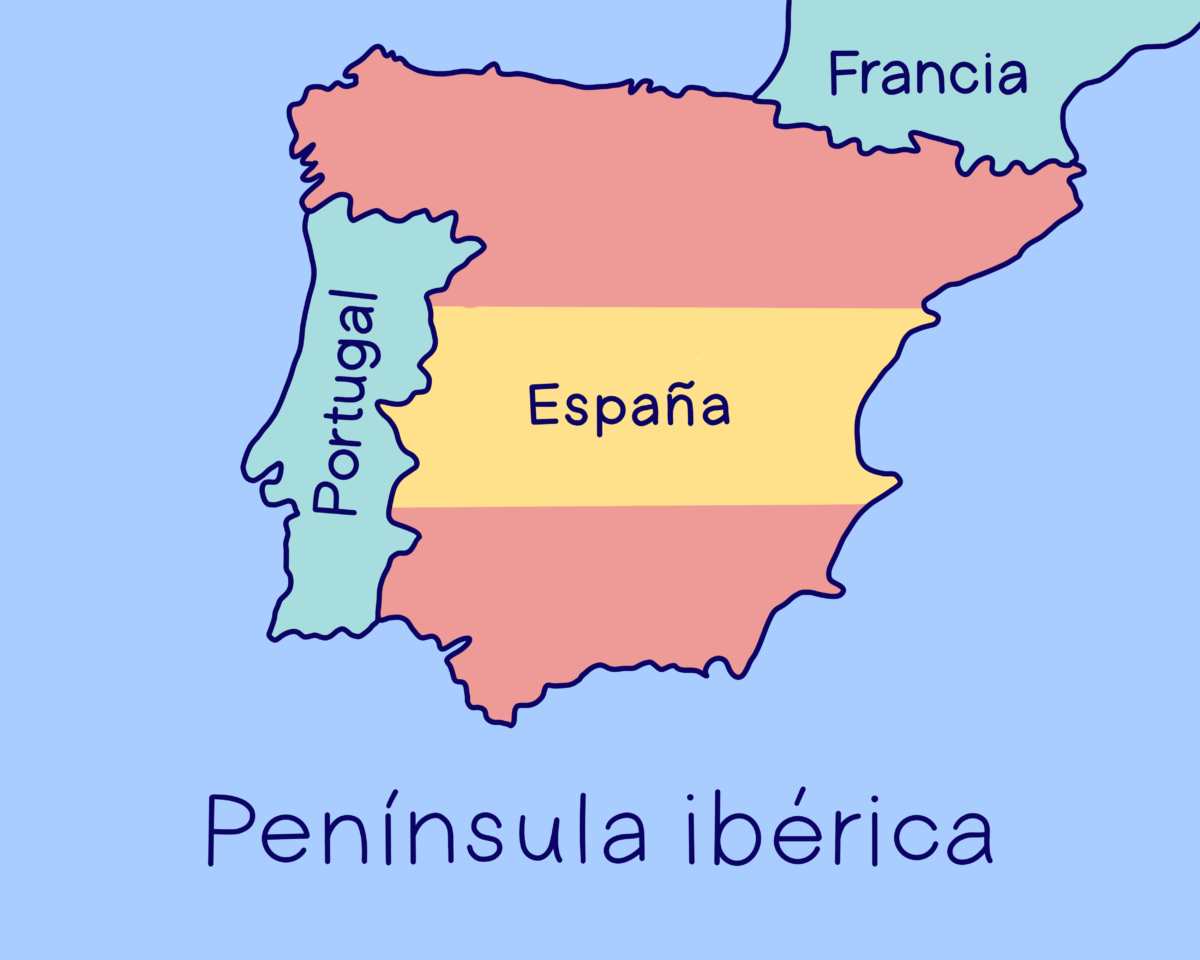
    ¿Sabes qué es la Península Ibérica? Se trata de un trozo de tierra en Europa, que queda por debajo de los Pirineos, rodeada por agua que se conecta solamente en una parte de su zona norte con otro país también europeo, Francia.

    No toda la Península Ibérica es España y, también, existen territorios de España fuera de la península. Esto parece un trabalenguas pero si lo analizas, hay muchos países que cuentan con territorios de ultramar o que comparten geografía con otros países. No nos vayamos más lejos, estamos hablando del Reino Unido.

    Descubre hoy con iScribo qué territorios forman España y cuáles son los otros países que tiene el privilegio de compartir la Península Ibérica con España.

    Qué comprende la Península Ibérica

    En la introducción te hemos explicado qué es la Península Ibérica, así que ahora es el momento de decirte qué países la componen. Muy probablemente, hayas pensado que se trata solo de España pero no, la península, a pesar de ser tan pequeña, la comparten cuatro países:

    – España (¡claro que sí!).

    – Portugal, situada al oeste de la Península Ibérica.

    – Andorra, ese curioso Principado situado entre España y Francia.

    Gibraltar, territorio británico.

    ¿Cuáles son las islas de España?

    Acabamos de aprender la España peninsular, pero tenemos también la España insular.

    Las Islas Baleares, de las que ya te hablamos en otra entrada de nuestro blog, es un archipiélago situado al este de la Península Ibérica, en el Mar Mediterráneo. Las islas que forman este conjunto insular son Mallorca, Cabrera, Menorca, Ibiza y Formentera.

    El otro archipiélago, famoso por ser destino de sol y playa entre los turistas, se llama Islas Canarias. Este conjunto de origen volcánico está situado al este del continente africano y está formado por Lanzarote, Fuerteventura, Gran Canaria, Tenerife, La Palma, La Gomera, El Hierro y La Graciosa, además de diversos islotes.

    España cuenta con otras islas pequeñas alrededor del mundo, como es el caso de la Isla de los Faisanes, entre Hendaya (Francia) e Irún (España), cuya soberanía comparte amistosamente con Francia. Es curioso que cada país la gobierna cada seis meses. Las Islas Chafarinas, entre Marruecos y España, son otro ejemplo, así como las Islas Ahucemas y la Isla de Alborán.

    ¿Conoces la Micronesia española? Es un conjunto de islas e islotes en el Pacífico que no son tierra de nadie por descuidos políticos, pero los últimos dueños fueron los españoles. Estas islas son Kapingamarangi, Mapia, Nukuoro, Rongrik y Ulithi.

    Otros territorios fuera de la Península Ibérica

    No podemos irnos sin mencionar Ceuta y Melilla, dos ciudades autónomas españolas en territorio marroquí, en la costa Mediterránea. Ceuta y Melilla están situados en un enclave político privilegiado al ser la puerta entre el Mar Mediterráneo y el Océano Atlánticos. Pertenecen a España desde hace siglos.

    Llívia es un pueblecito que está en Francia. La mayoría de los españoles ignoran este lugar, pero existe y es español.

    El territorio de España llega hasta la Antártida. Sí, como lo oyes. La Antártida no pertenece a ningún país pero sí es verdad que hay algo más de veinte naciones que cuentan con una base en este continente. Es este hecho el que hace que España cuente con su porción de territorio tan lejos, ya que tiene dos bases permanentes.

    Las maravillas de la geografía

    La política tiene un papel importante en la asignación y apropiación de territorios. Hay algunas islas que no son soberanas de ningún país pero que, por su situación, España defiende. Se trata de El Perejil, un islote al sur de Gibraltar.

    ¿Has pensado en las Embajadas? Resulta que no funcionan de la misma manera que la Antártida, puesto que las Embajadas están reguladas y bajo la jurisdicción internacional. Si, además de conocer qué territorios forman España, quieres escribir mejor su maravilloso idioma, el español, prueba la herramienta de iScribo. ¡Cuéntanos que te parece en los comentarios!

  • Spanish Territories Around the World & Iberian Peninsula

    Spanish Territories Around the World & Iberian Peninsula

    Do you know the Iberian Peninsula countries? The Iberian Peninsula is a piece of land in Europe, below the Pyrenees, surrounded by water and connected only in a part of its northern side with a European country, France.

    Is Spain in the Iberian Peninsula? Well… Yes, but there are also other countries in the peninsula and other overseas territories of Spain outside the peninsula. This sounds like a tongue twister, but if you think about it, there are many nations that have overseas territories or that share geography with other countries. Let’s not go any further, we are talking about the United Kingdom.

    Discover today with iScribo which territories make up Spain and which are the other countries that have the privilege of sharing the Iberian Peninsula with Spain.

    Iberian Peninsula Countries

    In the introduction we’ve explained what the Iberian Peninsula is, so now it’s time to explain which countries make it up. You probably thought it was just Spain, but no, the peninsula, despite being incredibly small, is shared by four countries:

    – Spain (of course it is!).

    – Portugal, located to the west of the Iberian Peninsula.

    – Andorra, that curious Principality located between Spain and France.

    Gibraltar, a British territory.

    Different Islands in Spain

    We have just learned about peninsular Spain, but this country also has an amount of islands.

    The Balearic Islands, which we already told you about in another blog post, is an archipelago located to the east of the Iberian Peninsula, in the Mediterranean Sea. The islands that make up this group are Mallorca, Cabrera, Menorca, Ibiza and Formentera.

    The other archipelago, famous for being a sun and beach destination for tourists, is called the Canary Islands. This group of volcanic origin is located to the east of the African continent and is made up of Lanzarote, Fuerteventura, Gran Canaria, Tenerife, La Palma, La Gomera, El Hierro and La Graciosa, as well as several islets.

    Not only Canary Islands and Balearic Islands, Spain has other small islands around the world, such as Pheasant Island, between Hendaye (France) and Irun (Spain), whose sovereignty it shares amicably with France. It is curious that each country governs it every six months. The Chafarinas Islands, between Morocco and Spain, are another example, as are the Ahucemas Islands and Alboran Island.

    Do you know Spanish Micronesia? It is a group of tiny islands and islets in the Pacific that are no man’s land due to political oversight, but the last owners were the Spaniards. These islands are Kapingamarangi, Mapia, Nukuoro, Rongrik and Ulithi.

    Spanish Territories Around the World

    Do you know that there are Spanish territories in Africa? They are Ceuta and Melilla, two Spanish autonomous cities in Moroccan territory, on the Mediterranean shore. Ceuta and Melilla are located in a privileged political enclave as the gateway between the Mediterranean Sea and the Atlantic Ocean. They have belonged to Spain for centuries.  

    Llivia is a small village in France. Most Spaniards ignore this place, but it exists and it is Spanish.

    Spain’s territory reaches as far as Antarctica. Yes! That’s right. Antarctica does not belong to any country, but it is true that there are more than twenty nations that have a base on it. It is this fact that makes Spain’s portion of territory so far away, as it has two permanent bases. Curious, isn’t it?

    The Wonders of Geography

    Politics plays an important role in the allocation and appropriation of territories. There are some islands that are not sovereign to any country but which, because of their location, Spain defends. This is El Perejil, an islet south of Gibraltar.

    What about the Embassies? They do not function in the same way as Antarctica since Embassies are regulated and under international jurisdiction. If, in addition to know what the Iberian Peninsula countries are and the Spanish territories around the world, you want to write its wonderful language, Spanish, better, try the iScribo tool and let us know what you think in the comments!

  • 8 Consejos para Escribir sin Faltas de Ortografía

    8 Consejos para Escribir sin Faltas de Ortografía

    Cometer faltas de ortografía a la hora de escribir en español genera confusión en el receptor de nuestro mensaje. Además, escribir en español sin cometer errores se percibe como un alto dominio de la lengua, así como de un buen nivel cultural.

    Proteger el español como idioma es el objetivo de los académicos y lingüistas. También, el escribir de acuerdo con las reglas de ortografía en español nos ayudará a ser más claros y precisos cuando nos expresemos. Una buena ortografía ayuda a mejorar el proceso comunicativo.

    Aunque te guste leer mucho y te fijes en cómo se escriben las palabras, el cometer errores nos pasa a todo el mundo en momentos predeterminados. iScribo te trae algunos consejos para ayudarte a escribir sin faltas de ortografía y que tu fluidez cuando redactes no se vea afectada por las dudas.

    1. No te canses de leer

    Leer es vital para mejorar la escritura en cualquier idioma y el español no es ninguna excepción.

    Si eres de esas personas que devoran libros y la literatura es tu pasión, estás de suerte. ¡Mata dos pájaros de un tiro! Mientras practicas tu afición favorita, aprenderás a escribir bien en español.

    Si no te gusta mucho la narrativa, lee periódicos y revistas de tu interés. ¡Todo vale!

    2. Aprende las reglas de ortografía

    El español se basa en reglas. Sí, es verdad que cuenta con excepciones, pero por alguna parte tenemos que comenzar. Aprender la ortografía básica en español te ayudará a escribir cada vez mejor.

    3. Escribe sin parar

    La práctica es lo que nos da soltura. Lo primero es aprender bien las reglas de ortografía y lo segundo es ponerlas en práctica.

    Puedes escribir de tu puño y letra a la vieja usanza en un papel o puedes utilizar un corrector de ortografía en español para que te vaya corrigiendo mientras escribes. Piensa que todo ayuda y que todo lo que hagas mejorará la forma en la que escribes.

    4. Pídele ayuda a un hispanohablante

    La globalización tiene sus ventajas. Una de ellas es que, como el español es la segunda lengua más hablada del mundo, te vas a encontrar hispanohablantes allá por donde vayas.

    Si conoces a alguna persona hispanohablante, pregúntale si puede hacerte algún dictado y luego corregirlo. Es una manera de entender las reglas básicas del español y aprender en tiempo real.

    5. Busca sinónimos

    Repite conmigo «el diccionario es mi mejor amigo». Tampoco lo digas mucho en voz alta o pensarás que tienes un problema social, más bien, repítelo para ti en tu cabeza, durante unos minutos. El asociar una palabra con su significado te ayudará a escribirla bien. Busca sinónimos de dicha palabra y tu cerebro comenzará a vincularla con lo que ya conoces. Este truco es infalible para escribir bien.

    6. Identifica faltas de los demás

    Leer un texto ajeno, ya sea de un amigo o de un periódico, por ejemplo, e identificar los errores que se hayan cometido agudizará tu instinto para ver las faltas de ortografía que cometas.

    No se trata de cruel con los demás, piensa que nadie es perfecto, por ende, todos cometemos errores ortográficos. Primero, aprende a ser crítico contigo y después podrás ver las faltas de los demás con la perspectiva constructiva que va a ayudar a aprender.

    7. Presta mucha atención

    Hoy en día vivimos rodeados de estímulos y esto favorece el déficit de atención. Cuando teclees o uses el bolígrafo, concéntrate en lo que escriben tus manos. Este sencillo paso es ideal para no cometer errores ortográficos. La atención juega un papel imprescindible en tu escritura.

    8. Anota tus errores más frecuentes

    Tendemos a cometer los mismos errores una y otra vez. ¡Qué le vamos a hacer! Así es la condición humana.

    Haz una lista de las faltas de ortografía que cometas con más frecuencia y échale un vistazo de vez en cuando. Así entrenarás tu cerebro.

    Aprovecha los beneficios de Internet

    La RAE y otras organizaciones como la Fundéu están para ayudarnos. Aprovecha las ventajas de un mundo dominado por Internet y aprende de estas herramientas.

    Cuanto más practiques y trabajes en escribir bien en español, menos faltas de ortografía cometerás.

    ¿Has probado ya el corrector de ortografía en español de iScribo? Además de escribir sin faltas, te sugerirá mejoras gramaticales así como sinónimos. Escribir bien es fácil y está al alcance de tu mano.

    Cuéntanos en los comentarios cuál es la palabra que más te cuesta escribir, ¡te ayudamos con más consejos!

  • 8 Tips to Correct Spelling Mistakes in Spanish

    8 Tips to Correct Spelling Mistakes in Spanish

    Making spelling mistakes when writing in Spanish generates confusion in the receiver of our message. Moreover, correcting spelling mistakes in your documents is perceived as a high command of the language, as well as a good cultural level.

    Protecting Spanish as a language is the goal of academics and linguists. Also, writing according to Spanish spelling rules will help us to be clearer and more precise when we express ourselves. Good spelling helps to improve the communicative process, so it is important to wonder how to avoid spelling mistakes while writing.

    Even if you like to read a lot and you pay attention to how to write without spelling mistakes, making errors happens to everyone sometimes. iScribo brings you a few tips about how to spell correct in Spanish, so that your fluency when writing is not affected by punctual doubts you may have.

    1. Keep Reading

    If you wonder how to overcome spelling mistakes while writing, we’ll tell you that reading is vital to improve your writing in any language and Spanish is no exception.

    If you are one of those people who devour books and literature is your passion, you are in luck. Kill two birds with one stone! While practising your favourite hobby, you will learn how to write properly in Spanish.

    If you’re not much of a storyteller, read newspapers and magazines that interest you – anything goes!

    2. Learn Spanish Spelling Rules

    Spanish is based on rules. Yes, there are exceptions, but we have to start somewhere. Learning basic Spanish spelling will help you to write better and better each time.

    3. Write Nonstop

    Practice makes perfect. The first thing is to learn the spelling rules well and the second is to put them into practice.

    You can write in your own handwriting with pen and paper, the old-fashioned way, or you can use a spellchecker in Spanish to correct yourself as you write. Think that everything helps and that everything you do will improve the way you write.

    4. Ask a Spanish-Speaker for Help

    Globalisation has its advantages. One of them is that, as Spanish is the second most globally spoken language, you will find Spanish speakers everywhere you go!

    If you know a Spanish speaker, ask them if they can dictate to you and then correct it. It’s a great way to learn the basic rules of Spanish and learn in real time.

    5. Work With Synonyms

    Repeat after me “the dictionary is my best friend”. Don’t say it out loud or people will think you have a social problem, but rather, repeat it to yourself in your head for a few minutes.

    Why have a dictionary ‘as a friend’? Associating a word with its meaning will help you spell it well. Look up synonyms for a word and your brain will begin to associate it with what you already know. This trick is infallible to write well.

    6. Identify Other’s Spelling Mistakes

    Reading someone else’s text, whether from a friend or a newspaper or magazine, for example, and identifying the spelling mistakes that have been made will sharpen your instinct for spotting your own spelling mistakes.

    It’s not about being cruel to others! But think that no one is perfect, so we all make spelling mistakes. First, learn to criticise yourself and then you will be able to see the mistakes of others with the constructive perspective that will help you learn.

    7. Mind your Writing!

    Nowadays we live surrounded by stimuli and this favours attention deficit. When typing or using a pen, concentrate on what your hands are doing and writing. This simple step is ideal for avoiding spelling mistakes. Common sense? Yes, maybe, attention plays an essential role in your writing.

    8. Write Down your Most Frequent Mistakes

    We tend to make the same mistakes repeatedly. What can we do? As human beings, that is our condition.

    Make a list of your most frequent spelling mistakes in Spanish and look at it from time to time. That way you will train your brain… and it works!

    Take Advantage of the Benefits that Internet Offers

    Spanish RAE y other organisations like Fundéu are there to help us. Take advantage of a world dominated by the Internet and learn from these tools.

    The more you practice and work on writing well in Spanish, the fewer spelling mistakes you will make.

    Have you tried the iScribo Spanish grammar checker yet? In addition to correcting spelling mistakes, it will suggest grammatical improvements as well as synonyms. Writing well is easy and at your fingertips. Tell us in the comments section below.

  • Problemas Lingüísticos en la Comunicación en Español

    Problemas Lingüísticos en la Comunicación en Español

    El papel del lenguaje es fundamental en nuestras vidas. Entender los problemas de la comunicación nos ayuda a mejorar las relaciones que tenemos con las demás personas.

    La comprensión es vital para relacionarnos, no solo con personas que hablan el mismo idioma sino que también en las relaciones multiculturales de cualquier tipo. El español no es una excepción: el lenguaje verbal, el corporal y el tono en el que hablamos puede ser bien o mal interpretado según el nivel del idioma y de la cultura de nuestro interlocutor.

    Hoy iScribo habla de los problemas lingüísticos en la comunicación, en concreto en español, y te ayuda a comprender lo importante que es practicar una comunicación avanzada en español para que tus problemas de entendimiento con los demás desaparezcan.

    Comunicación en español en el trabajo

    En este apartado vamos a centrarnos en la comunicación escrita en español en el lugar de trabajo.

    El español cuenta con una gran variedad de hablas diferentes, no solo por la diversidad de países que lo hablan sino por la cantidad de variedades de la lengua dentro de un mismo país. Por si esto fuera poco, la ortografía también puede resultar un problema añadido a la hora de comunicarnos en español.

    Imagina por un momento que escribes un correo electrónico a un cliente y tiene unas cuantas faltas de ortografía, ¿qué imagen se puede llevar esa persona de ti o de tu empresa? A nadie le gustaría que le pasara. Una buena comunicación escrita siempre mejorará las relaciones con los clientes, y para ello, necesitas dominar el idioma y practicar una comunicación avanzada en español.

    Si te cuesta escribir en español y tienes problemas para mejorar tu vocabulario, te proponemos que utilices la herramienta de iScribo y así puedas comenzar a escribir el español avanzado que tanto añoras a la hora de trabajar.

    Comunicación en español en las relaciones sentimentales

    Lo ideal en este caso es encontrar la manera de crear una simbiosis entre las dos culturas, difícil pero no imposible.

    Los hispanohablantes son bien conocidos por hablar con un tono elevado, es decir, básicamente hablar muy alto o incluso gritar. En algunas culturas se puede percibir como una falta de respeto. Este hecho se agrava con las dificultades en el ámbito de la comunicación y el lenguaje. Si alguien nos habla y no le entendemos, el emisor alza la voz inconscientemente para que se le entienda mejor.

    Si eres hispanohablante, y a veces te cuesta comunicarte con tu pareja, piensa antes de gritar, quizá puedas expresar tu discurso con otras palabras para facilitar esa comunicación en español.

    Si el español no es tu idioma materno y lo estás aprendiendo, ten paciencia, conocer los aspectos culturales de tu pareja puede ayudarte a comprender.

    Simplificar el idioma a la hora de hablar para facilitar el entendimiento puede conllevar con una falta de expresiones y emociones en el discurso. Aquí es donde entra en juego el siguiente apartado.

    Comunicación en español y el lenguaje no verbal

    La cultura juega un papel imprescindible en el impacto de la estructura del lenguaje y cómo lo utilizamos en la práctica.

    La mirada, la forma de mover el cuerpo y cómo nos expresamos con las manos. En ocasiones, una imagen vale más que mil palabras y esto es lo que pasa cuando hablamos con los demás. ¡Pregúntale a hablante nativo de italiano y verás!

    Cuando existen problemas lingüísticos de comunicación a la hora de hablar, el cuerpo siempre sale al rescate. Se trata de una forma de supervivencia para entendernos con los demás.

    ¿Sabías que cuando una persona no nos entiende se fija en nuestros movimientos para percibir algunas pistas de lo que estamos hablando?

    La comunicación no verbal es un arma potente para fomentar el entendimiento, ¡úsala!

    Rompe las fronteras de la comunicación en español

    Un idioma es la herramienta que crea las relaciones con los demás. No olvides utilizarla con respeto para tener relaciones fructíferas y positivas con los demás.

    La riqueza del español se hace notar tanto en la diversidad de su gramática y vocabulario como en la cantidad de lenguaje no verbal que emplean los hispanohablantes cada día.

    ¿Alguna vez has tenido algún problema de comunicación de este tipo en español? ¿En alguna ocasión has sentido que te expresas mal y acabas diciendo algo que no pretendes? Cuéntanos en los comentarios, iScribo te ayuda a mejorar tu español escrito para que rompas la barrera de los problemas lingüísticos en la comunicación.

  • Language and Communication Issues in Spanish

    Language and Communication Issues in Spanish

    The role of language is fundamental in our lives and in basic communication in Spanish. Appreciating communication difficulties helps us to improve the relationships we have with others.

    Understanding is vital for relationships, not only with people who speak the same language, but also in multicultural relationships of any kind. Spanish is no exception – verbal language, body language and the tone in which Spanish speakers talk can be well or badly interpreted depending on the level of the language and the culture of the interlocutor.

    Today iScribo shows you communication difficulties and cultural differences, specifically in Spanish, and helps you understand how important it is to practise advanced communication so that your problems in understanding others disappear.

    Spanish at Work

    In this section we are going to focus on written communication in Spanish in the workplace.

    When it comes to Spanish, we can tell you that it has a great variety of different ways of speaking, not only because of the diversity of countries that speak it, but also because of the number of varieties of the language within the same country. Not only this, but spelling can also be a problem when communicating in Spanish.

    Imagine for a moment that you write an email to a client and it has a few spelling mistakes, what image can that person take away from you or your company? Good written communication will always improve customer relations, and to do this, you need to master the language and practice advanced communication in Spanish.

    If you find it difficult to write in Spanish and have problems improving your vocabulary, we suggest you use the iScribo tool so that you can learn Spanish and start writing the advanced Spanish that you long for when it comes to work.

    Spanish in Romantic Relationships

    The ideal in this case is to find a way to create a symbiosis between the two cultures.

    Spanish speakers are well known for speaking with a high pitch, i.e. basically speaking very loudly. In some cultures this can be perceived as disrespectful. This is compounded by difficulties in communication and language. If someone speaks to us and we do not understand them, the speaker unconsciously raises their voice in order to be better understood.

    If by chance you are a Spanish speaker, and sometimes you find it difficult to communicate with your partner, think before shouting, maybe you can express your speech with other words to facilitate communication in Spanish.

    If Spanish is not your mother tongue and you are learning it, be patient, knowing the cultural aspects of your partner can help you understand much better.

    Simplifying the language when speaking to facilitate understanding can lead to a lack of expressions and emotions in the speech. And this is where the next section comes in.

    Spanish and Non-Verbal Language

    It is well known that culture plays an essential role in the impact of the structure of language and how we use it in practice.

    The way we look, the way we move and how we express ourselves with our hands – sometimes a picture is worth a thousand words and this is what happens when we talk to others.

    When it comes to linguistic communication difficulties when speaking, the body always comes to the rescue, ask an Italian speaker about this! It is a form of survival in order to understand each other.

    Did you know that when a person does not understand us, they look at our movements to get some clues as to what we are talking about?

    Non-verbal communication is a powerful weapon to promote understanding, use it wisely!

    Break Boundaries while Learning Spanish

    A language is the tool we use to create relationships with others. Use it with respect to have fruitful and positive relationships with other people. You won’t regret it!

    If you pay attention, you’ll find out the richness of Spanish in the diversity of its grammar and vocabulary as well as in the amount of non-verbal language that Spanish speakers use every day. It is amazing, isn’t it?

    Have you ever had a communication problem of this kind in Spanish, and have you ever felt you were expressing yourself badly and ended up saying something you didn’t mean? Tell us in the comments, iScribo helps you to improve your written Spanish so that you can break the barrier of language and communication issues.

Want more Spanish tips?

Get them direct to your inbox

Sign up for tips and tricks to perfect your Spanish writing skills. You’ll be writing like a native in no time.

Free Trial until 30 September 2021: Our subscription programme does not start until 1 October 2021. So, as long as you provide us with a feedback you can use our site for free until noon 30 September 2021 (GMT)